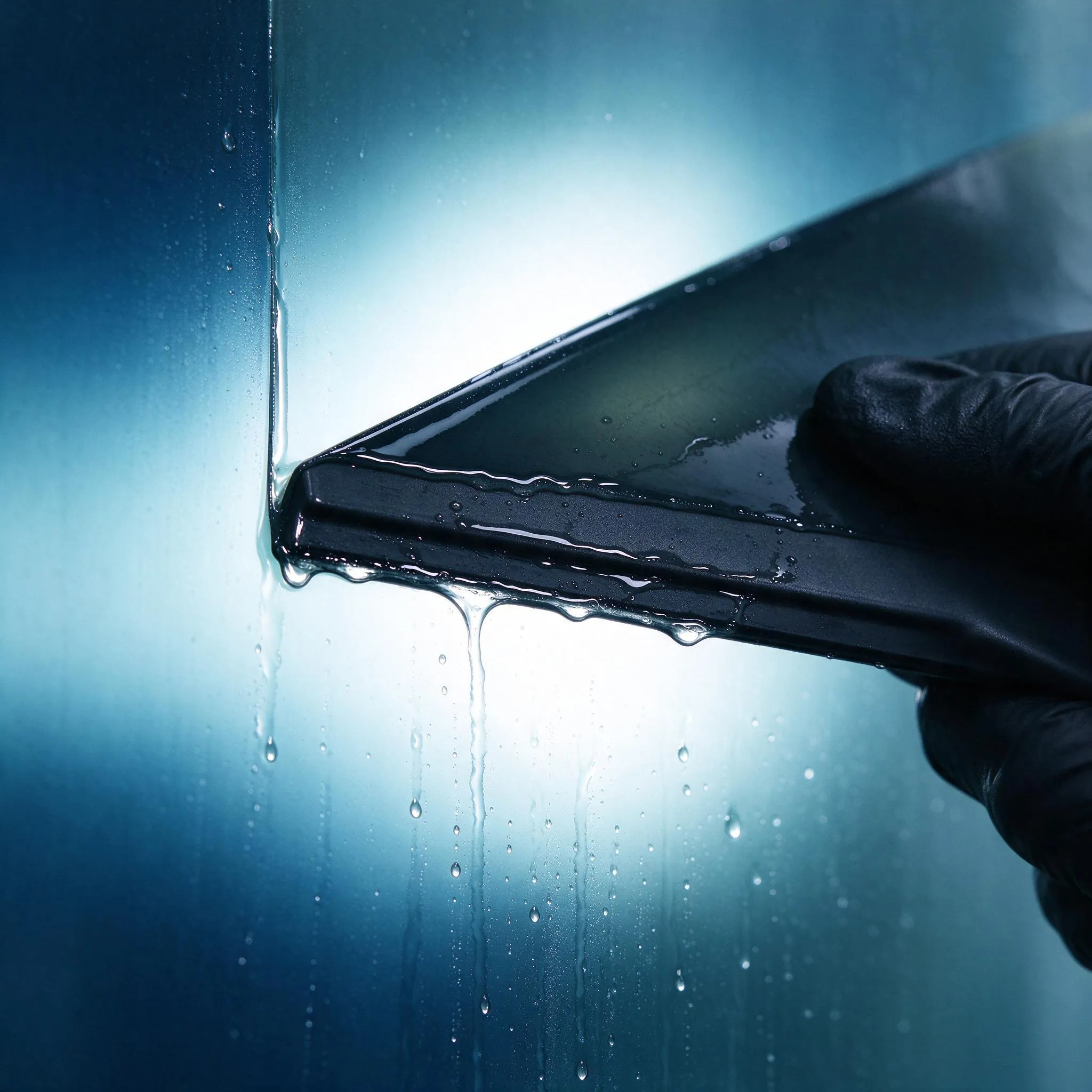
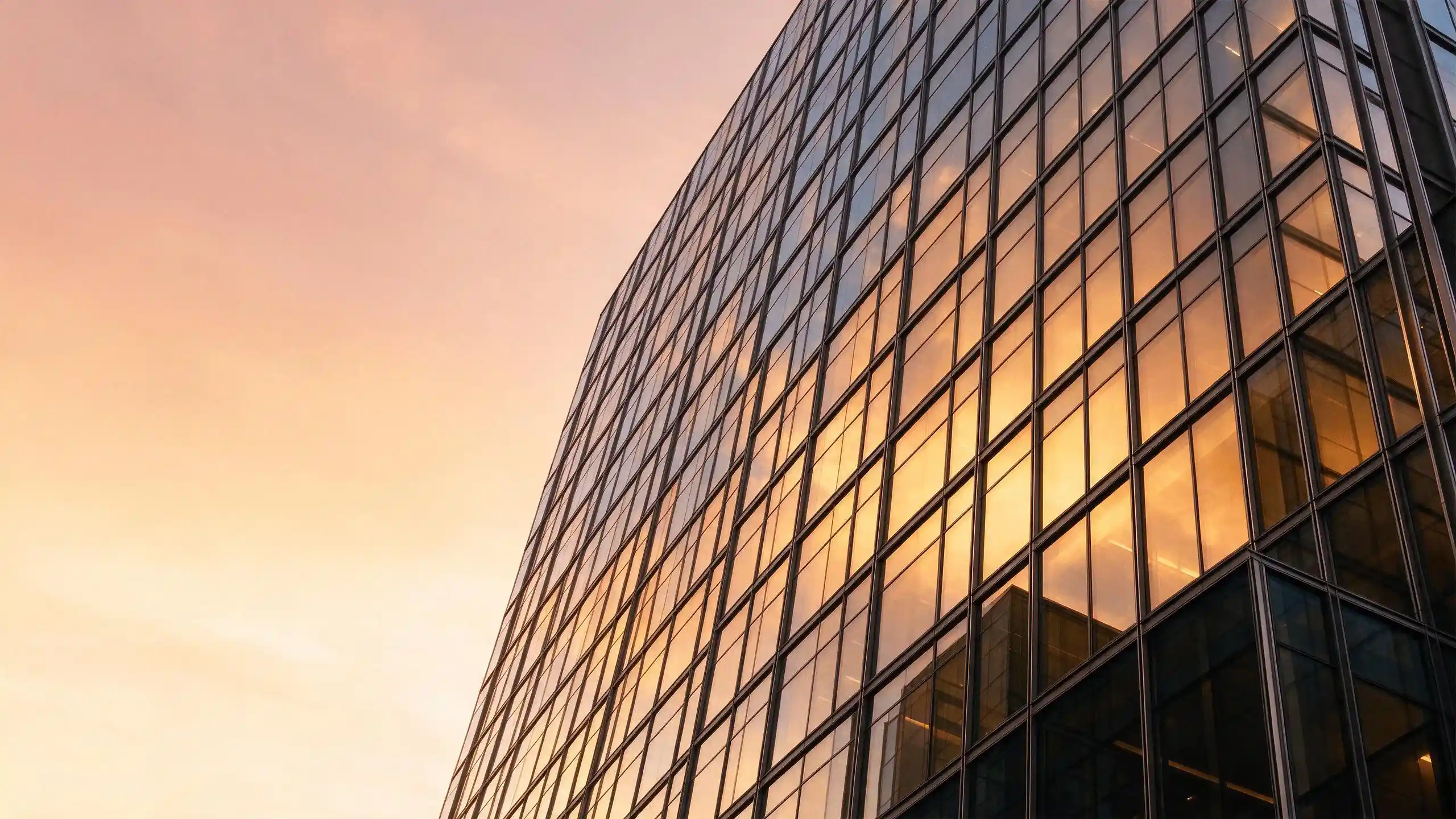
Architectural window film for building glazing.
Daytime reflective privacy depends on the light difference between indoors and outdoors. Choose a tint and confirm the lighting and glazing conditions.
Explore TYPE AG Request samplesAssess solar exposure at the glazing.
Building glazing provides daylight and views, but solar exposure can also create screen glare, cooling demand and fading. Assess the orientation, glass and use of each room before specifying film.
Film can be considered as a retrofit to suitable existing glass. Confirm which face can receive the film, access requirements, compatibility and the installation schedule; no universal one-day completion is promised.
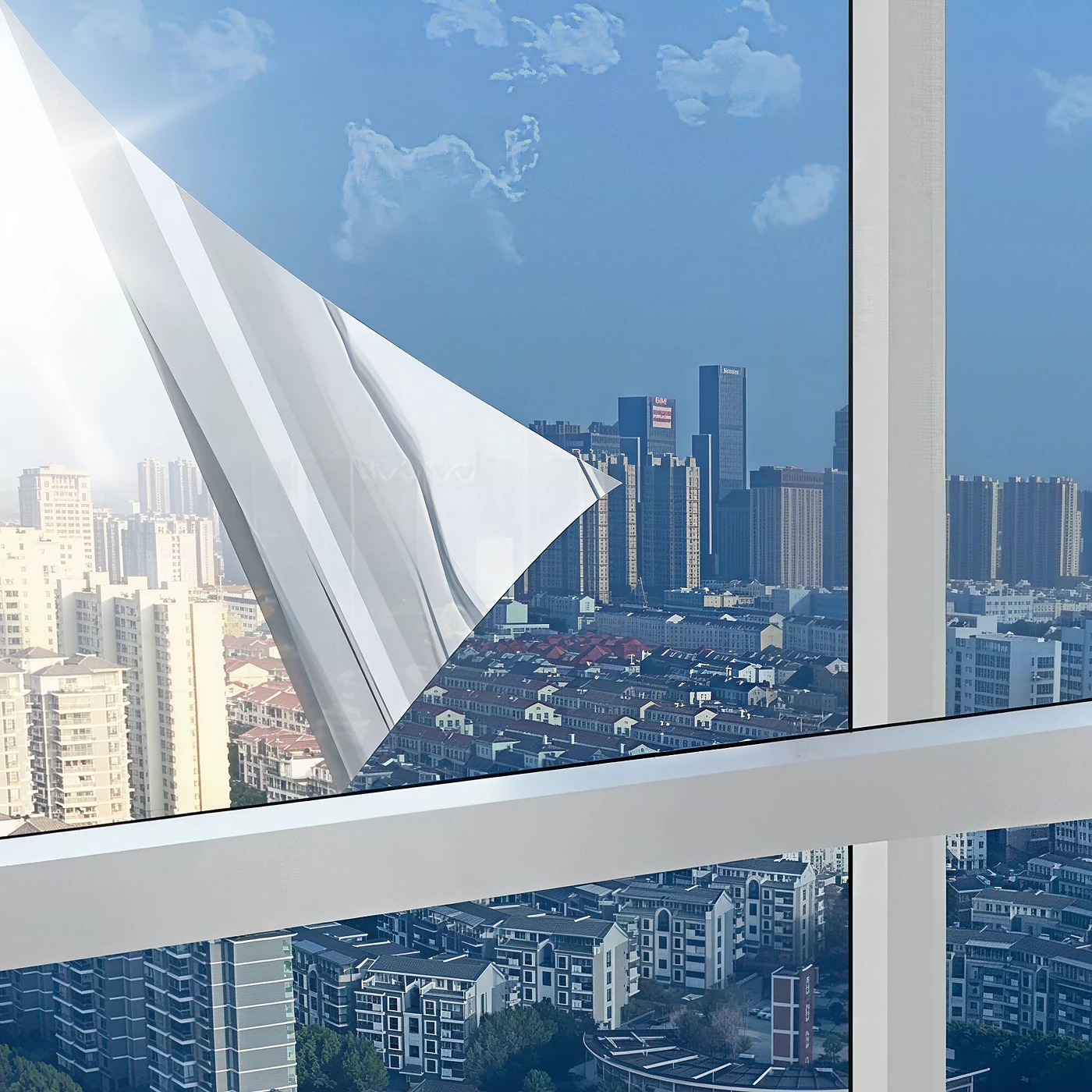
TYPE AG
Reflective PET film for daytime privacy. The mirror effect depends on one side being brighter than the other; the view and privacy level also vary with tint, lighting and glass.
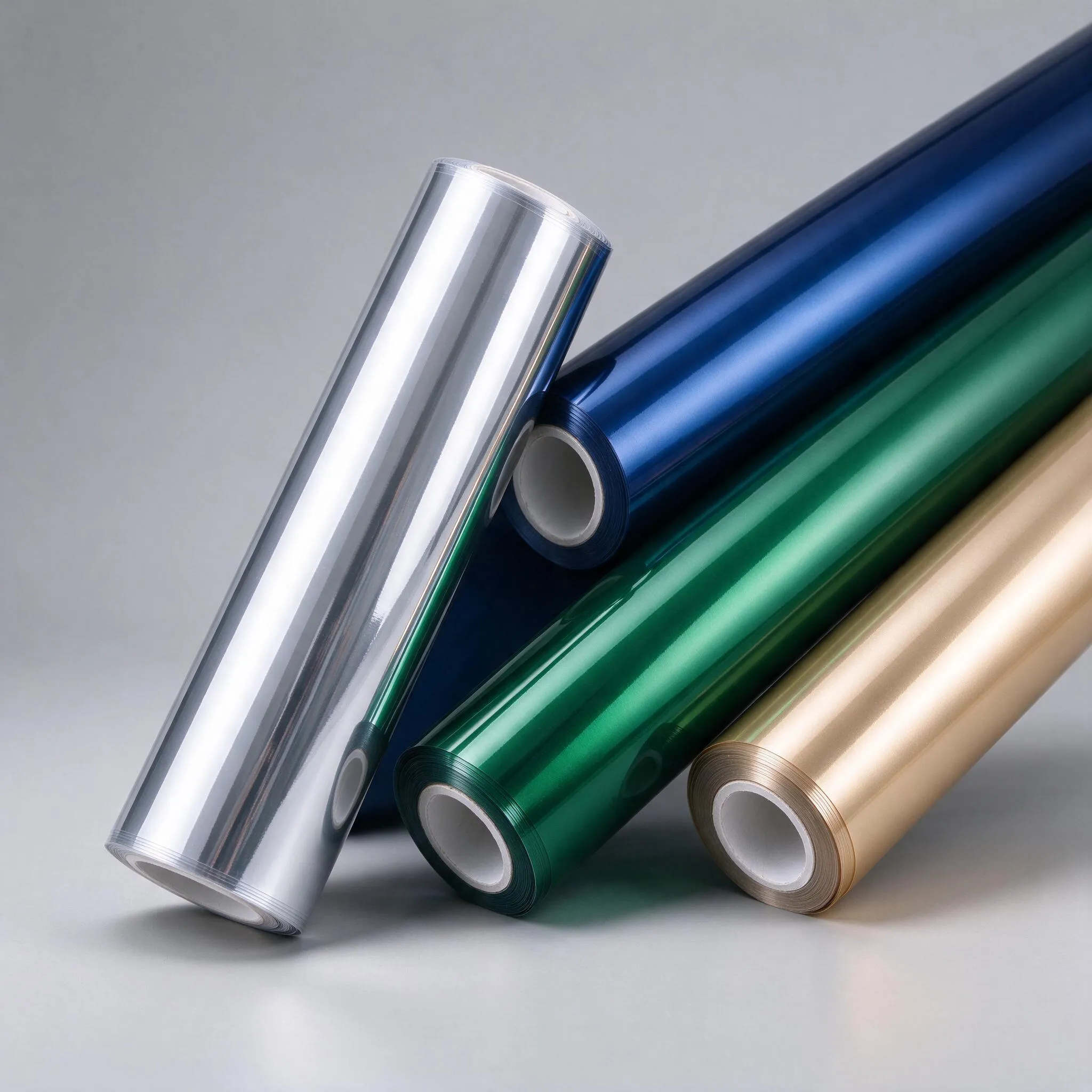
- Black 03
- Silver 07
- Tea 10
- Dark Blue 14
- Grey 14
- Green 18
- Silver 20
- Light Blue 22
- Gold 25
- Silver 37
At night, a brighter interior can reverse the privacy effect. Use blinds or another suitable privacy measure; a darker tint alone does not guarantee nighttime privacy.
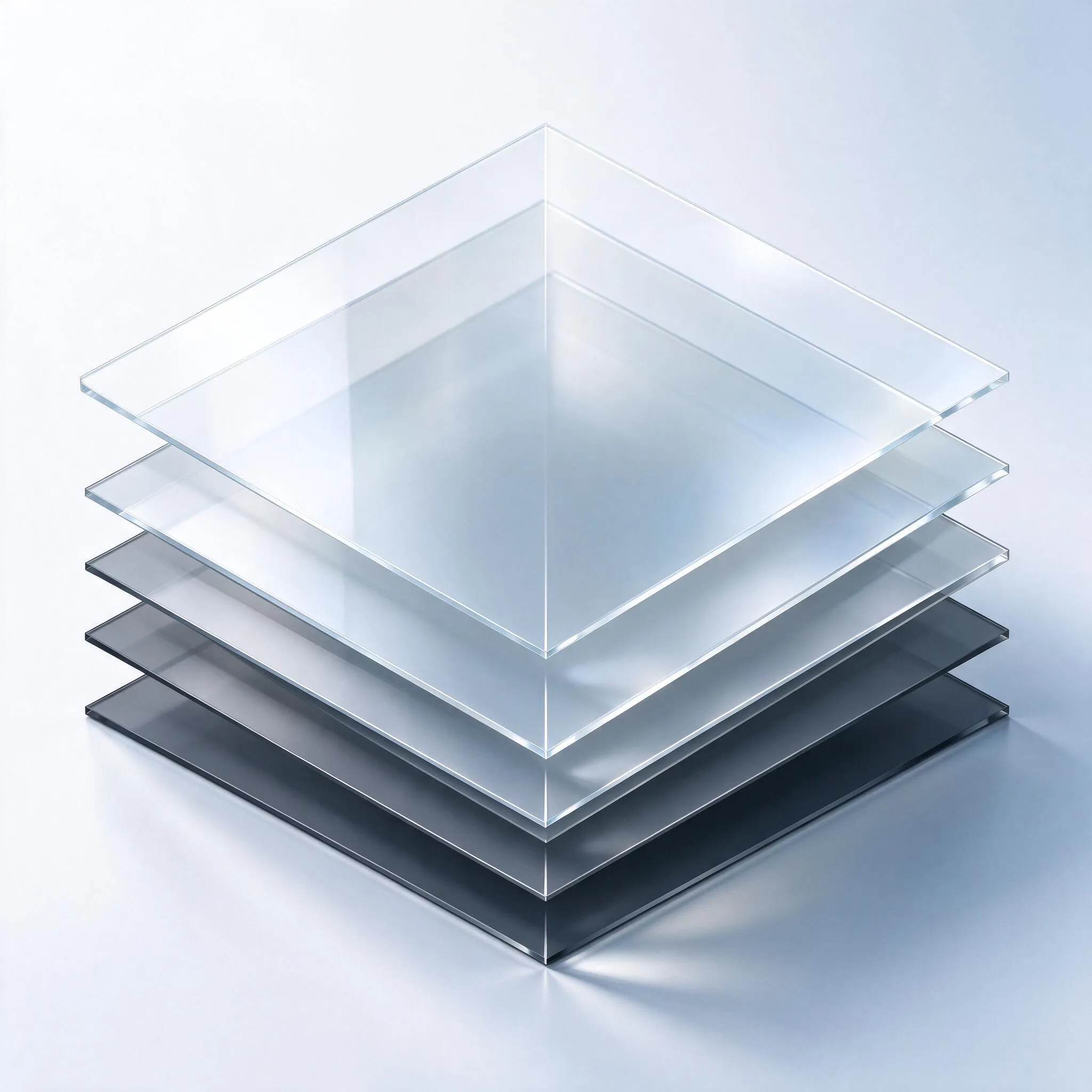
Six-layer architectural window film
- Outer protective layer — for cleaning and abrasion exposure
- UV-filtering composite layer
- Thermal-control layer — reflective core
- Nano anti-glare layer — helps reduce glare
- Thickened protective layer — dimensional stability
- PET fragment-retention layer
Six common glazing applications.
Office curtain walls
Assess screen glare and solar gain by elevation, especially on sun-exposed faces.
Shopfront glazing
Consider daytime privacy for stock and staff, with a sample check under the actual interior and exterior lighting.
Meeting rooms
For partitions facing a corridor or atrium, check both sides’ lighting; plan blinds where privacy is required.
Residential glazing
Assess privacy for ground-floor and street-facing rooms, including the change between daytime and nighttime lighting.
Hotels and lobbies
Large panes and high solar exposure require a project-specific check of glass compatibility and exterior appearance.
Skylights and atria
Overhead glazing needs a specific compatibility and installation review before film is selected.
For flat glass. Curved, textured or laminated panes require a compatibility check before use; do not assume every glass type is suitable.
Confirm the ordered model and tint
- Material
- PET
- Film thickness (glass excluded)
- 1.5 – 4 mil
- Width reference — verify the selected TYPE AG model
- 1.52 m
- Sold by
- Linear meter
- Finish
- Reflective, opaque — confirm the tint sample
- Adhesive
- Self-adhesive; confirm removal conditions
- Warranty
- 3 years
- Origin
- Made in China
Optical performance varies by tint and substrate. Request the current test sheet and glazing configuration for the selected shade; no single value applies to all 10 tints.
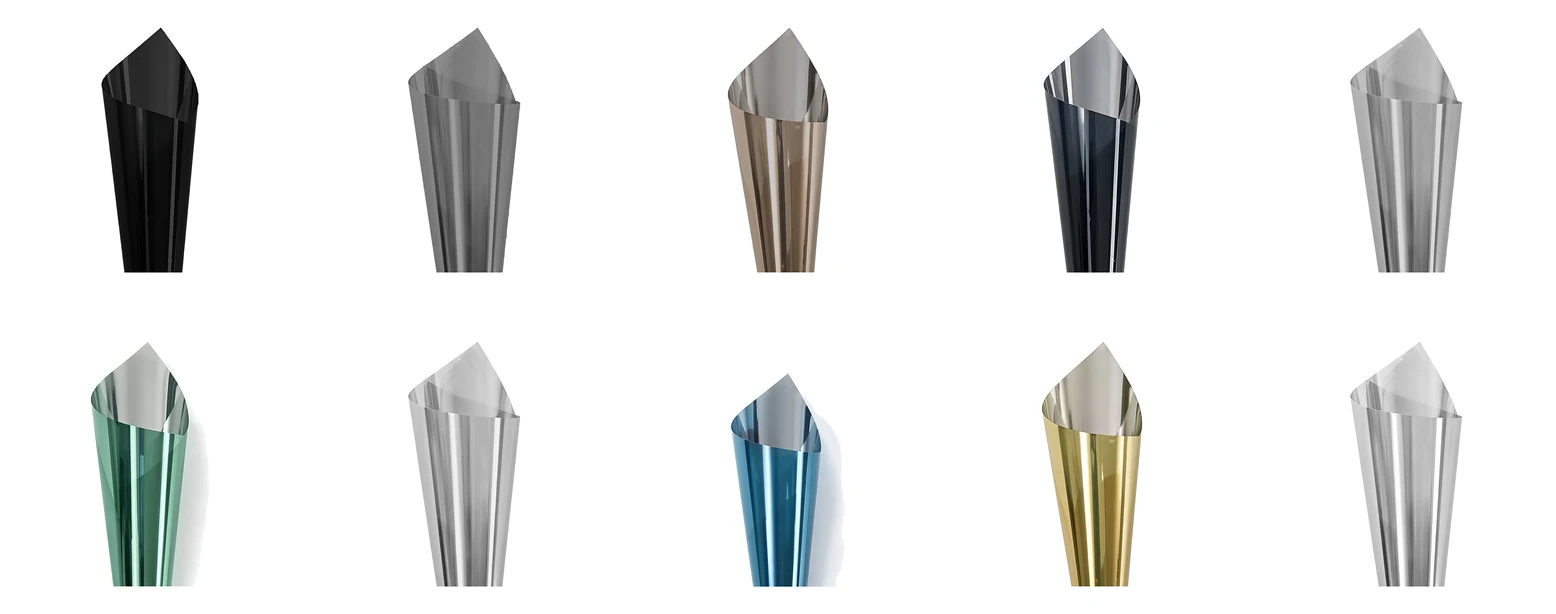
10 tints, individual optical values.
Visible light transmittance (VLT), infrared rejection (IRR) and ultraviolet rejection (UVR) vary independently. Select by the listed model data, not the color name alone; confirm the measurement configuration.
Choose the tint by its VLT. The Type AG range spans 3% to 37%.
Roll and volume supply enquiries.
Source sampling minimum: 10 linear meters. Discuss slitting and private label for volume orders. Supply is aimed at installers, distributors and facade contractors; confirm pricing, availability and project terms.
- MOQ: 10 linear meters
- Lead times for stocked colors are provided in the quotation.
- Private label and custom slit widths — confirm order scope
- Free standard A4 sample; logistics charges excluded