
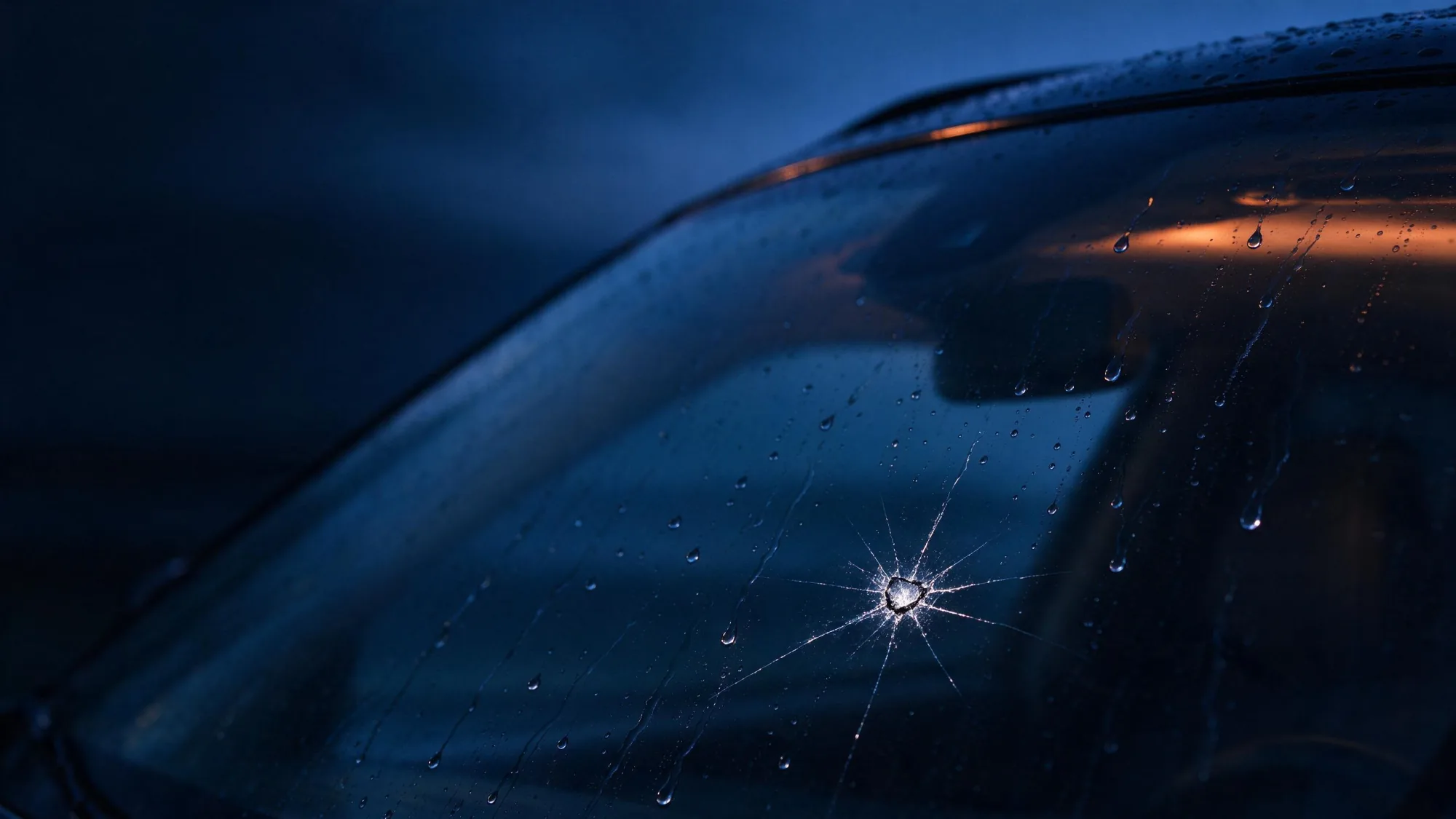
Windshield protection film program
Plan protection for the windshield surface
CHISI offers three windshield protection film series. Our flagship RWS combines low haze with a clear view. BWS uses spectral reflection technology and comes in six versions. KWS is easy to install, highly flexible and self-healing.
windshield-film series
KWS functional layer; total thickness 299 µm
pencil-hardness result, ASTM D3363
UV rejection test result
Estimated coverage: 10–12 vehicle windshields per roll.
Order planning
Compare the full replacement and installation costs
Build a vehicle-specific estimate covering the glass, any calibration work, installation and downtime. Confirm which items apply in the target market.
- 01
Glass unit
Identify the required OEM or OES glass and the vehicle’s camera or sensor equipment when requesting a replacement quotation.
- 02
Calibration requirements
Confirm vehicle-specific camera and rain-sensor requirements, including any calibration needed after glass replacement, with a qualified installer.
- 03
Labor and adhesive
Include adhesive curing, trim removal and refitting in the vehicle-specific installation estimate.
- 04
Downtime
Agree on the adhesive curing period and vehicle handover time. Include any operational downtime in the project estimate.
Surface exposure
Three exposure conditions to assess
Discuss impact, abrasion and chemical exposure for the selected film and glass assembly. Agree on tests and acceptance criteria before choosing the product.
01
Stone chips
The film helps protect the windshield against expected impacts from small stones, including those that can cause star-shaped or bullseye damage. Stone size, impact speed and driving conditions require separate assessment.
Assess impact protection on the selected assembly.
02
Sand and grit abrasion
Discuss sand and road-grit exposure, haze and glare acceptance criteria under the intended operating conditions.
Discuss the replaceable surface layer and its service conditions.
03
Salt and chemical exposure
Review road salt, washer fluid and surface contaminants, and agree on chemical compatibility and cleaning instructions for the selected film.
Assess water shedding and cleaning compatibility.
Selection criteria
Five factors when choosing windshield film
Review optical clarity, glare, water behavior, signal compatibility and abrasion criteria for the intended vehicle, equipment and installation conditions.
UV rejection
The film provides 99.5% UV rejection.
Glare-control requirements
Agree on haze and glare assessment under the intended lighting and driving conditions, including night use.
Water shedding
Assess water shedding with the intended wipers, washer fluid and operating conditions. Confirm cleaning and maintenance instructions.
Signal compatibility
The film allows normal use of in-vehicle toll tags, GPS and mobile phones.
Pencil hardness by series
RWS has a pencil hardness of 7H under ASTM D3363. KWS and BWS have a pencil hardness of 6H. Assess wiper, wash-brush and abrasion performance separately for the intended application.
Series range
Compare the three film series
Compare thickness, pencil hardness, UV rejection and signal compatibility across KWS, BWS and RWS. Service-life criteria and commercial terms are set for each project.
| Series | Thickness | Pencil hardness | UV rejection (test result) | Signal compatibility | Reference roll | Reference price (USD) |
|---|---|---|---|---|---|---|
| Type KWSFlexible, self-healing film | 299 µm total / 165 µm functional layer | 6H | 99.5% | No interference with GPS, mobile or toll-tag signals | 1.22 × 15 m | $400 |
| Type BWSColor and IUVR options | 299 µm total / 165 µm functional layer | 6H | 99.5% | No interference with GPS, mobile or toll-tag signals | 1.22 × 15 m | $420–520 |
| Type RWSClarity-focused range | 144 µm total / 121 µm use layer | 7H | 99.5% | No interference with GPS, mobile or toll-tag signals | 1.22 × 15 m | $1,500 |
Type BWS prices by variant: Clear $420 · Blue Clear $460 · Blue-IUVR $460 · Purple Clear $460 · Purple-IUVR $460 · Red Clear $520.
Prices are USD references per 1.22 × 15 m roll before freight. Confirm current pricing, mixed-order packing and availability. Agree on the warranty, covered construction and terms in the specification and contract.
Supply options
Discuss ordering by the roll
The three series list a 1.22 × 15 m reference roll. Confirm standard-product availability and any custom width or length with the current quotation and schedule.
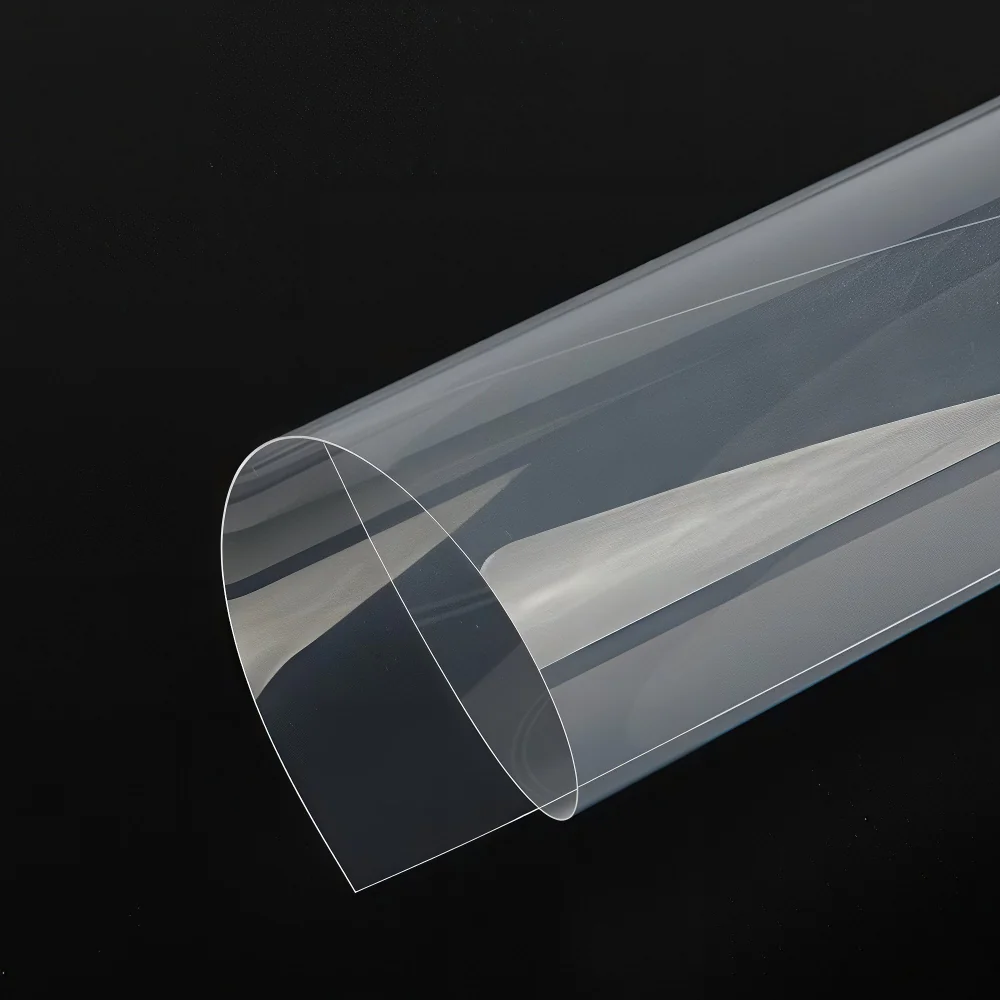
Type KWS
KWS has a total thickness of 299 µm and a functional-layer thickness of 165 µm (GB/T 6672). The flexible film is easy to install, and surface self-healing depends on temperature.
- Construction299 µm total / 165 µm functional layer
- UV rejection (test result)99.5%
- Roll1.22 × 15 m
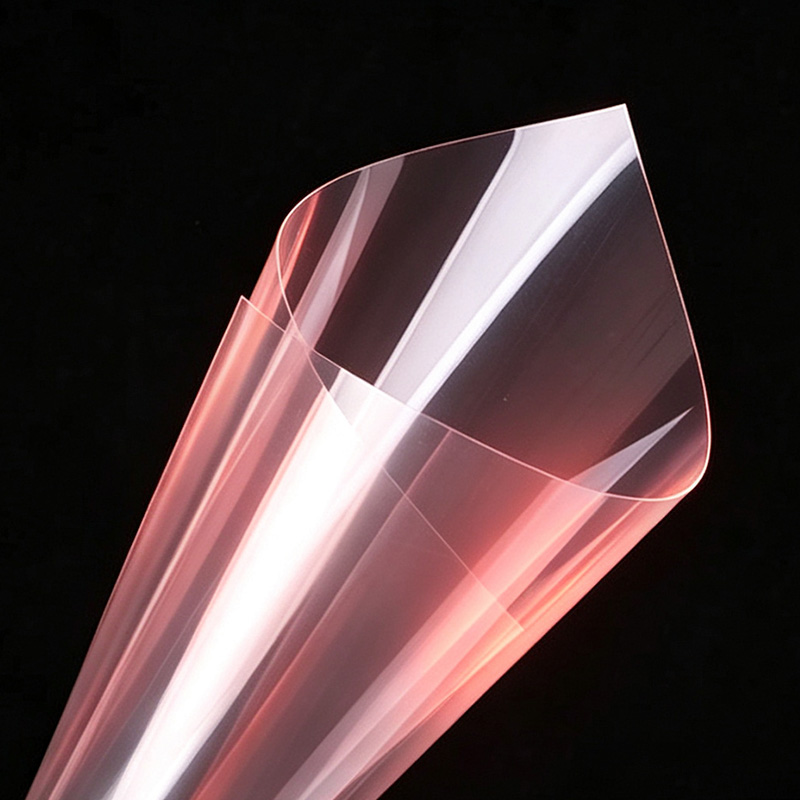
Type BWS
BWS comes in six versions: transparent Clear, tinted Blue Clear, Purple Clear and Red Clear, and two tinted UV-protective options, Blue-IUVR and Purple-IUVR.
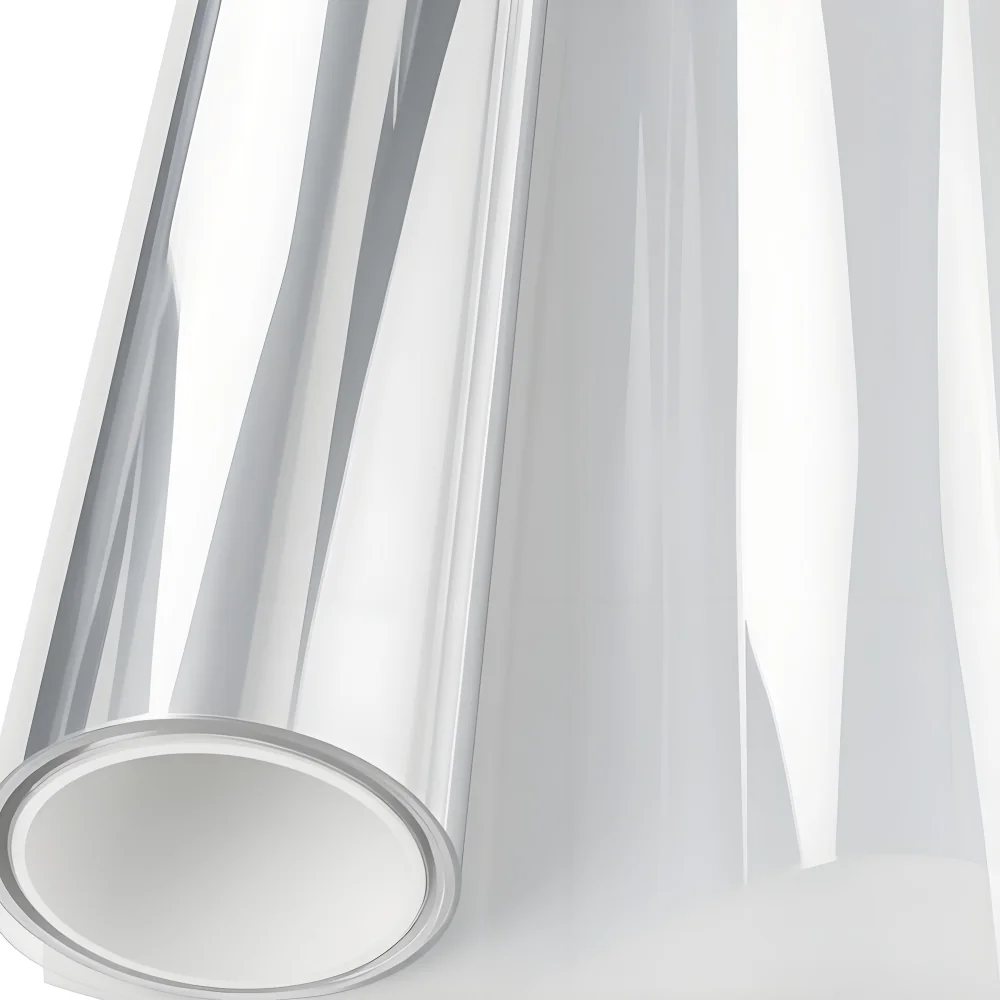
Type RWS
RWS is our flagship low-haze film for a clear view through the windshield. It has a pencil hardness of 7H (ASTM D3363).
- Pencil hardness7H
- Signal compatibilityNo interference with GPS, mobile or toll-tag signals
- Roll1.22 × 15 m
Installation planning
Assess the curved windshield application
These series are presented for exterior installation. Confirm the exact film, curved-glass compatibility, edge details and installation method for the vehicle.
- 01
Forming the curve
Confirm the approved forming method and temperature conditions for the selected film before application. Follow the product and vehicle-specific guidance.
- 02
Edge details
Agree on edge preparation, adhesion and inspection criteria for the actual windshield shape and sealing details.
- 03
Camera and sensor zones
Confirm the installation layout around cameras and rain sensors with the vehicle and film guidance. Verify operation and any calibration requirements with a qualified installer.
- 04
Curing and handover
Agree on the curing period and wiper or washing restrictions for the selected adhesive and film. Provide the confirmed care instructions at vehicle handover.
Colored windshield applications
Type BWS lists clear, blue, purple and red choices. Before offering any variant for road use, confirm the selected film-and-glass optical data and the applicable market requirements with the appropriate specialist.
Commercial terms
Confirm the order terms
Confirm the selected series, current availability, branding and packaging scope before ordering.
| Reference roll | Reference roll size: 1.22 × 15 m. For exact dimensions, see the specifications for the selected model. |
|---|---|
| Minimum order | From one roll; discuss custom widths and lengths |
| Samples | Discuss sample costs and shipment before production |
| Production-time reference | In-stock products ship in 3–7 days. Custom products ship within 15 days. |
| Payment | 100% payment in advance |
| Trade terms | FOB · CIF · CFR · DDP · DAP |
| Port | Shenzhen |
| Packaging | Discuss neutral export cartons or your artwork and confirm the private-label scope |
Questions
Before your first roll
Which installation position should I specify?
The three series are presented for the outside face of the windshield. Confirm the exact construction, glass compatibility, installation procedure and impact-performance criteria for the application.
What should be checked around cameras and sensors?
Review camera and rain-sensor zones for the specific vehicle and film. Agree on any cutouts, installation limits, functional checks and calibration requirements with a qualified installer before use.
How is signal compatibility confirmed?
Confirm the construction and test compatibility with the intended toll tag, GPS and phone equipment. Keep Blue-IUVR and Purple-IUVR distinct within Type BWS and request their exact optical data rather than extending their performance to other variants.
How should I compare RWS and KWS?
The RWS reference lists 144 µm total thickness, a 121 µm use layer and pencil hardness 7H under ASTM D3363. The KWS report lists 299 µm total and a 165 µm functional layer. KWS and BWS have a pencil hardness of 6H. Keep those layer labels distinct, compare the optical reports for the exact products, and discuss current prices and service conditions separately.
What must be confirmed before offering road use?
Confirm the applicable market requirements and model-specific film-and-glass optical data before offering a variant for road use. Agree on the intended application with the appropriate technical and compliance specialists.
How is the warranty agreed?
Agree on the covered model, warranty term, use conditions and claim procedure in the specification and contract. Confirm each series separately before production.
Start with a sample
Share the selected series, vehicle application and target market. Discuss sample availability and the optical data for the exact construction with the team.