Manufacturing plant
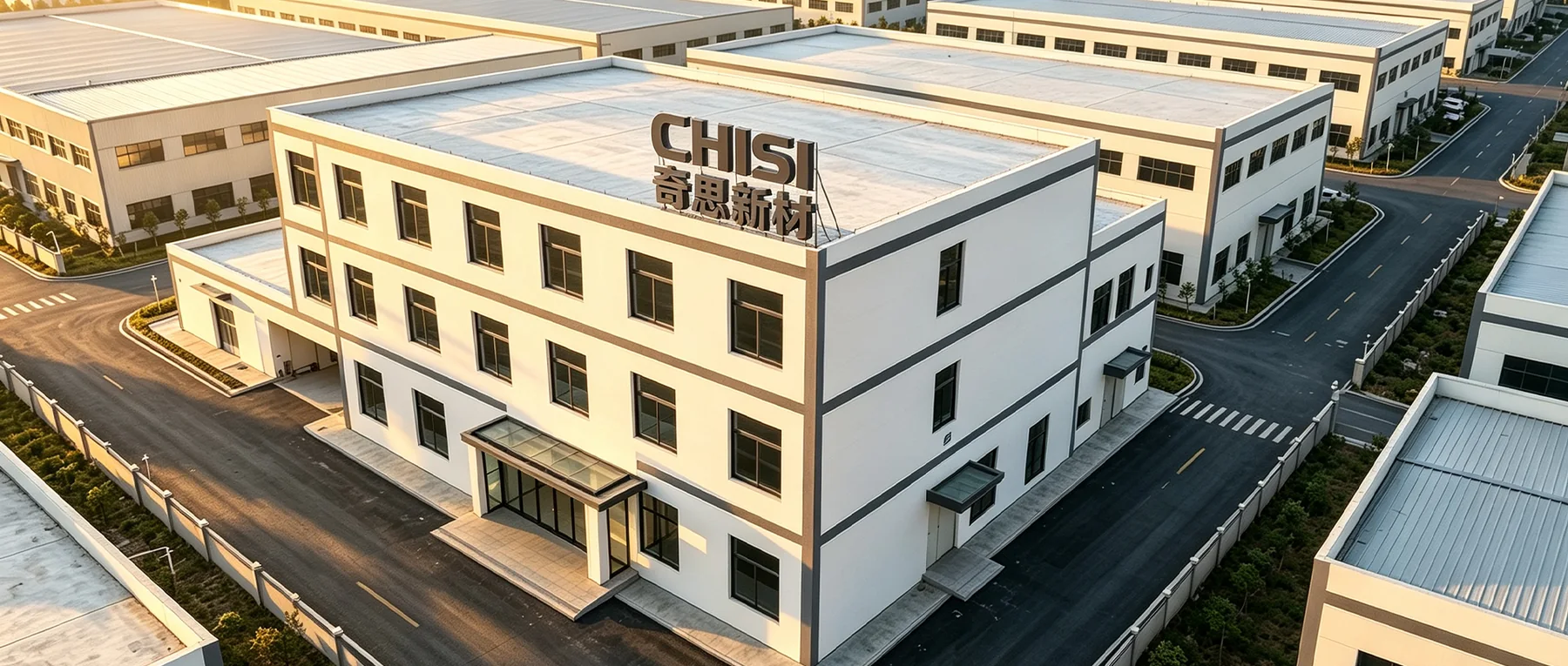
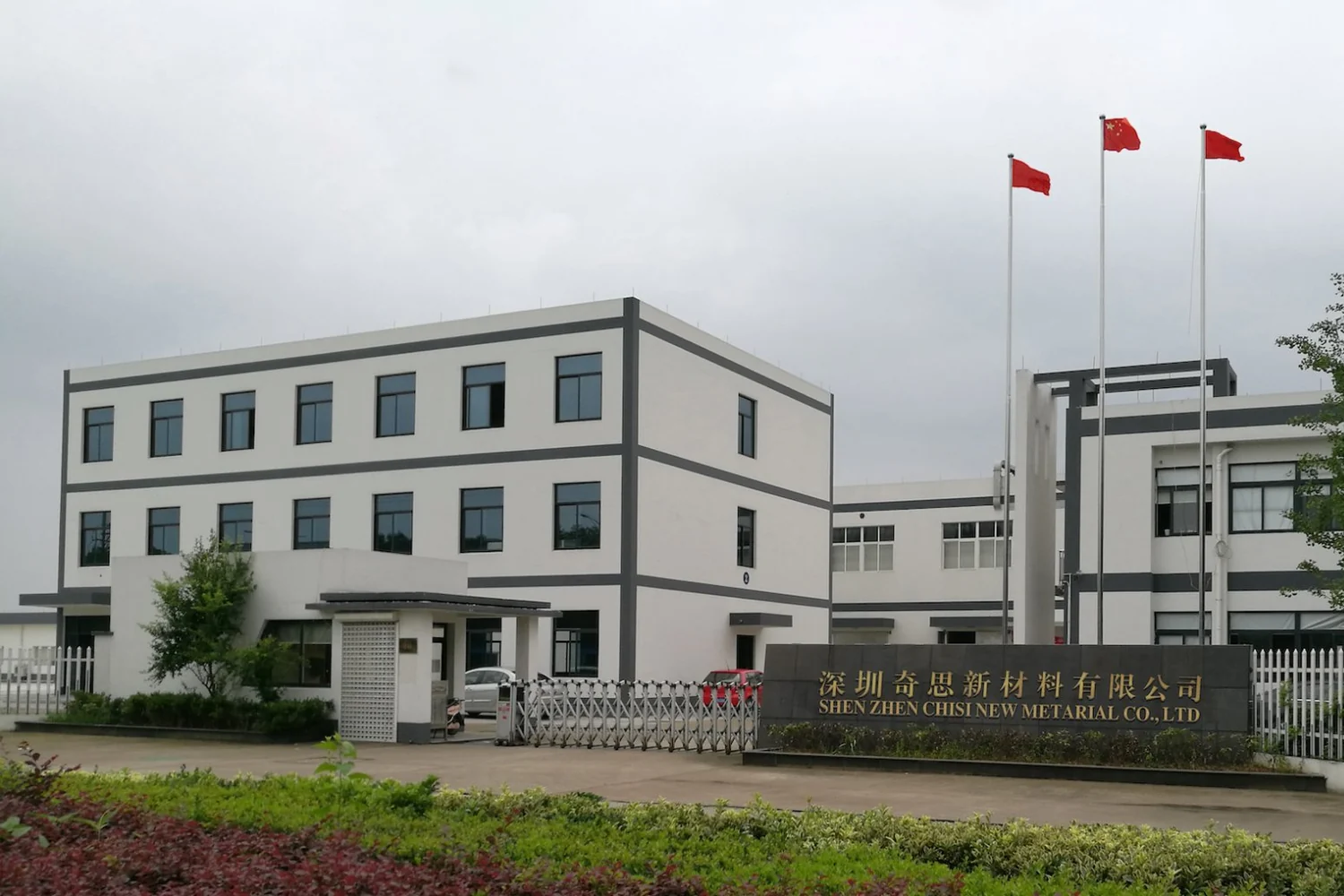
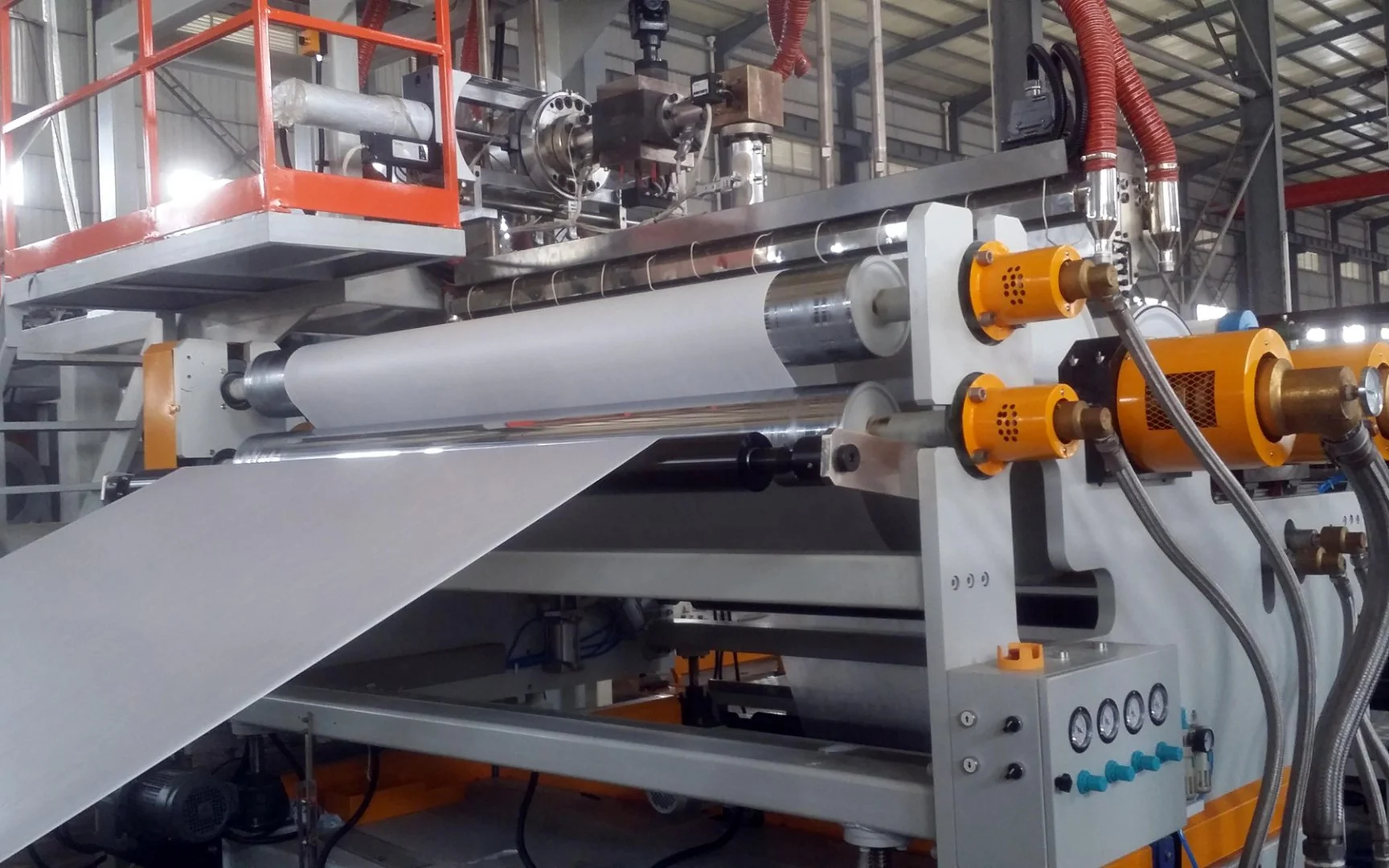
A 40-mu site producing TPU PPF, color PPF, and window film. Base film is cast here rather than bought in, so we can adjust the substrate as well as the coating.
Casting, coating, testing, and program management take place in different buildings, connected through one traceability chain. A roll that fails a lab test can be traced to its production line, lot, and shift.

A 40-mu site producing TPU PPF, color PPF, and window film. Base film is cast here rather than bought in, so we can adjust the substrate as well as the coating.
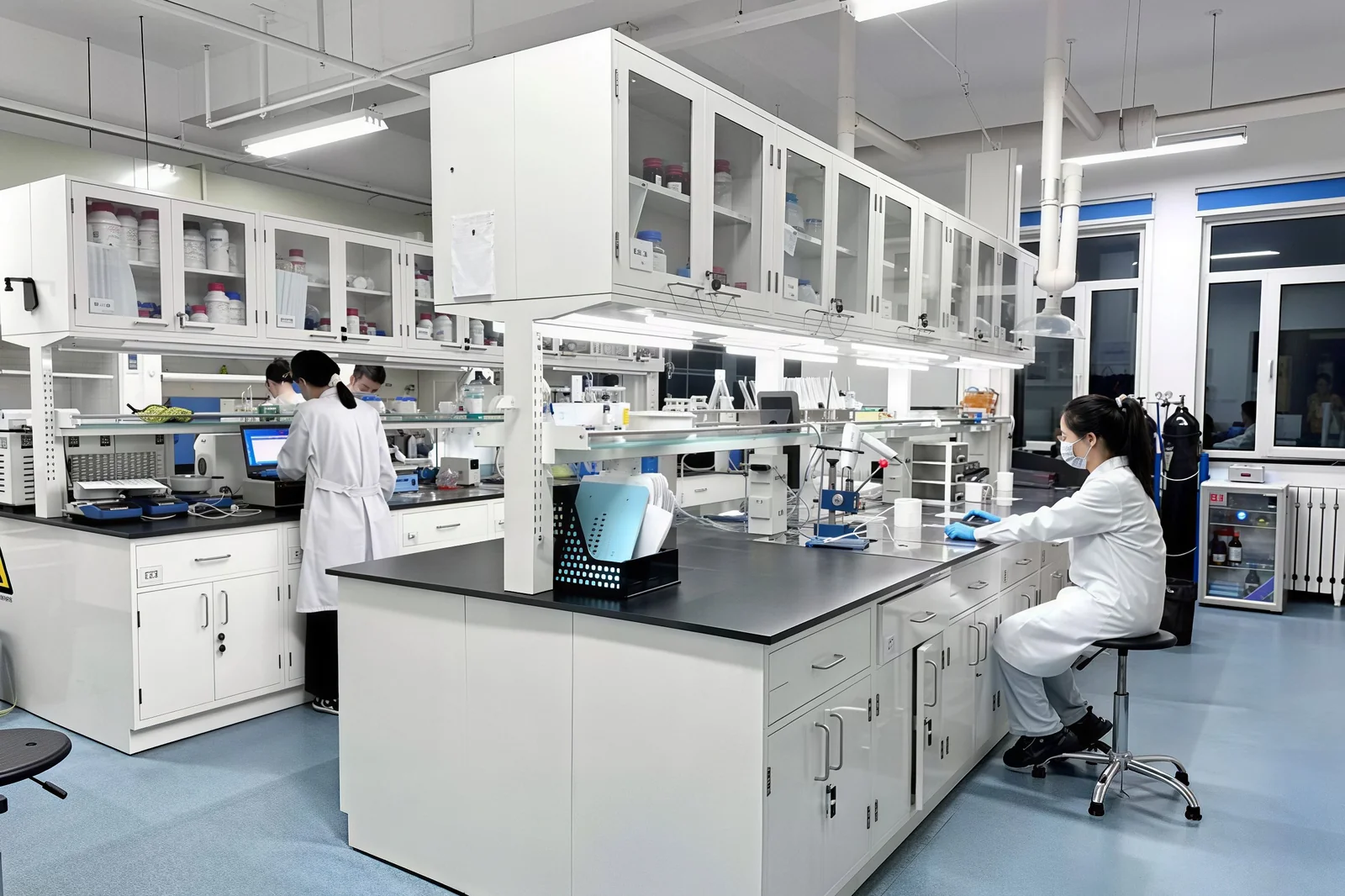
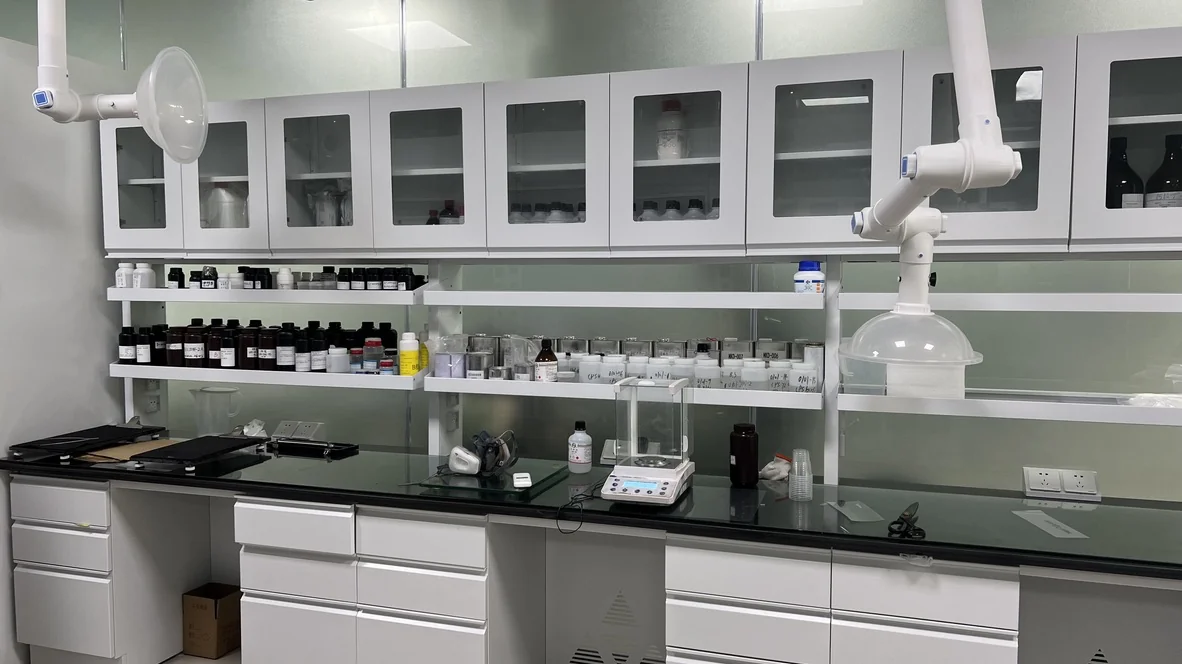
4,000 m² of laboratory and a demonstration base supported by the provincial department of science and technology. Five research teams work on resin, coating, and process, not only color cards.
Program management, sampling, artwork, and export documentation, with space for customers to review paperwork, audit a private-label range, and approve the box before printing.


Casting sets the substrate. Coating sets the surface. Curing sets the durability. Slitting decides whether the roll arrives in one piece. All four run on the same site.

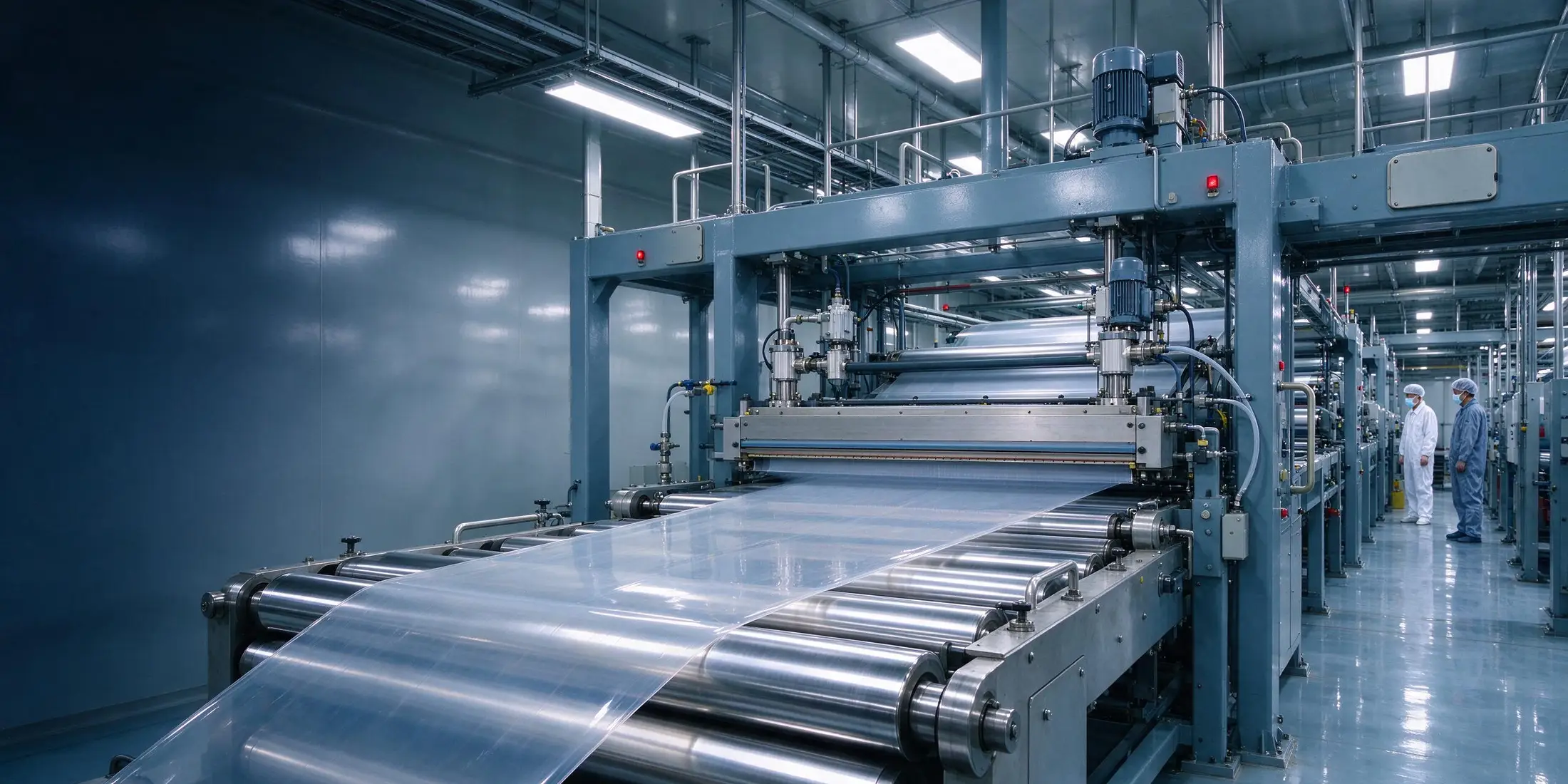
Cast-film extrusion below 0.1 mm at production speed. A polished chill roll and a controlled die gap keep thickness variation and optical distortion out of the substrate before a single drop of coating is applied.
Multi-layer slot-die coating with metered delivery and closed-loop web tension, so coating weight repeats lot to lot instead of drifting between shifts.
UV curing replaces part of the conventional oven drying for the functional layer. Less heat into the TPU means more uniform toughness across the web and less residual stress in the roll.
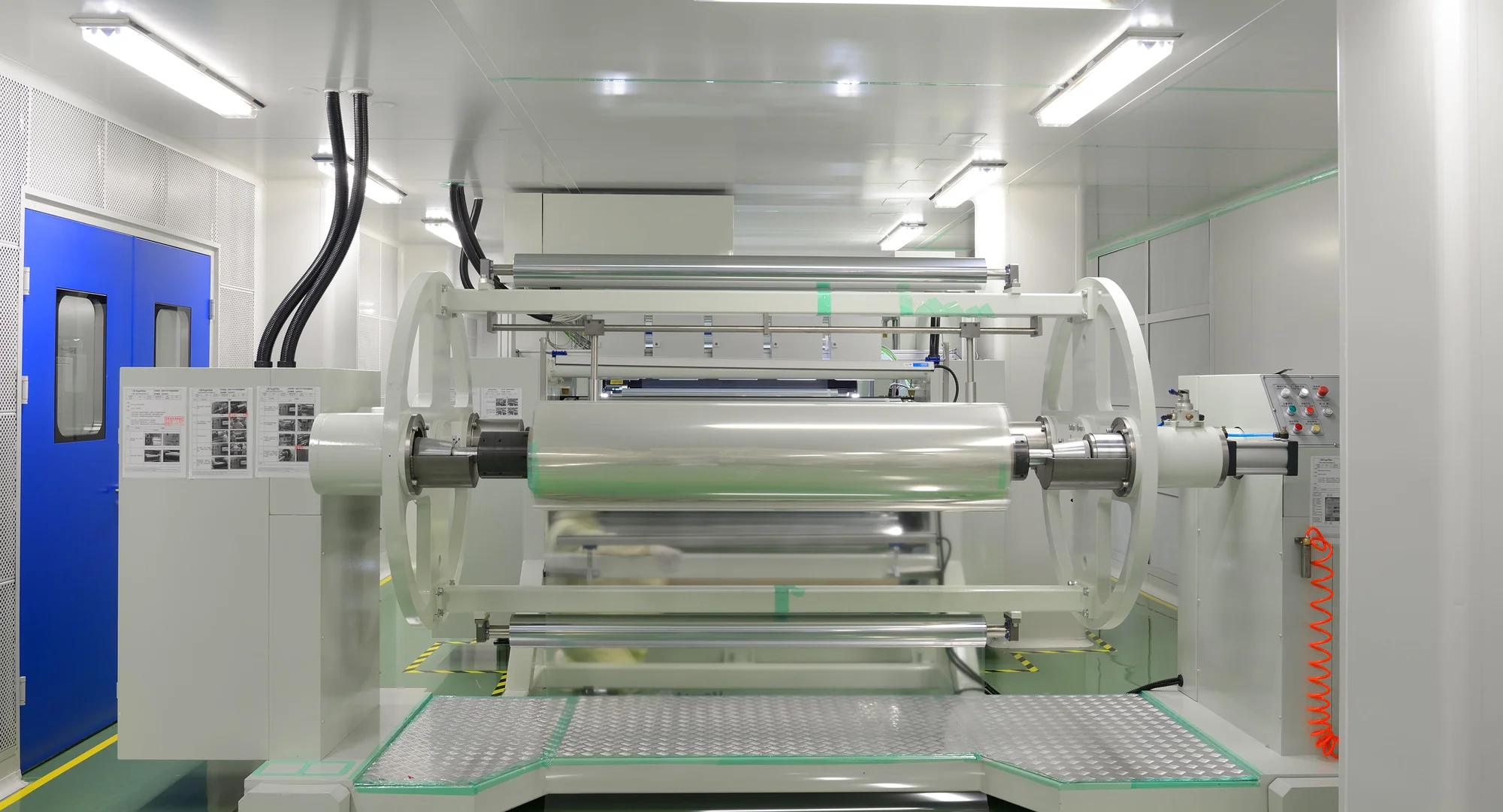
Converting runs in the same cleanliness class as coating, so a coated roll is never re-exposed to a dirtier room on its way from the line to the box.
Cleanroom class is easy to print on a brochure and hard to hold on a night shift. These are the four controls that run in the coating and converting halls — and the one number we will not publish without showing you the monitoring record.

The coating line sits in a Class 100 cleanroom — the class this industry builds coating halls to. Gowned entry, air showers and positive pressure keep the room cleaner than the plant around it.
Slitting and rewinding run in a room held to the same class, so a finished roll only meets filtered air between coating and packing. No “clean coating, dusty converting” gap.
Coating weight and adhesive tack both move with humidity. Temperature and humidity are held in a controlled band, so a batch coated in July behaves like one coated in January.
Rolls are coded to the coating lot and cure batch. If a customer reports an issue, the query goes back to a specific run and its test record — not to “some time last quarter”.
Every roll follows the same route. These are the stages where a program can change, and the steps we do not skip to save a week.
Resin and color are the two decisions that limit everything downstream.
The substrate is made, not bought — so thickness and optics are ours to control.
Where the surface, the adhesive and the warranty class are actually built.
Cure, cut, test, pack. The last chance to catch a bad lot before it ships.
About 1.8 million linear meters of film a year, across 12 lines and three sites. Line time is allocated by SKU rather than order size. Send your annual volume to confirm a production window before committing to a color.
Weathering chambers and mechanical benches are in-house, so a drifting lot is caught during coating — not after it has crossed an ocean.
| Test | Method | What we hold |
|---|---|---|
| Accelerated weathering | Xenon arc, 1,500 h | Δb < 0.6 |
| UV aging | QUV, 2,000 h | Δb < 1.4 |
| UV aging, second route | UV lamp, 2,000 h | Δb < 1.3 |
| Heat & humidity | Thermal-humidity cycling | Blush, shrink and edge lift checked |
| Adhesion | 180° peel | > 1,300 g/inch |
| Gloss | 60° glossmeter | Up to 99 gu |
| Chemical resistance | Mustard / waste oil / marker | Δb < 1.7 / 1.8 / 1.9 |
| Thickness | Micrometer across the roll | 6.5–12 mil (165–300 µm) |
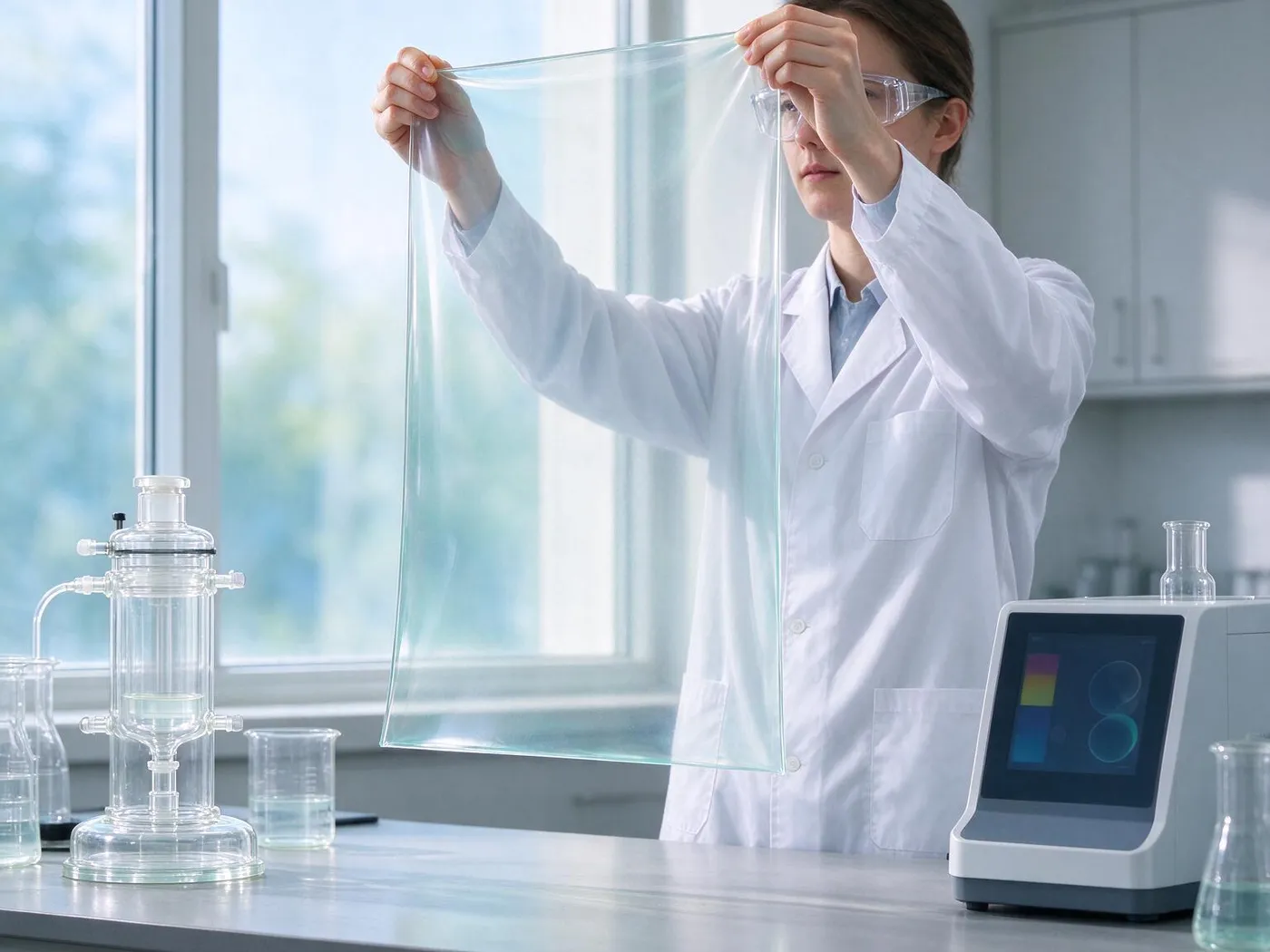
In the lab, a color, feel, or hydrolysis issue becomes a resin and coating decision before a plant production run.

4,000 m² of laboratory, five research teams, and 50+ researchers. The center is a demonstration base supported by the provincial department of science and technology, with associated reporting obligations.
Alicyclic TPU, polycaprolactone polyol systems, hydrolysis resistance and yellowing. The resin decision is made before a film is cast.
Nano-ceramic, nano-silica and nano-graphene routes — self-healing, hydrophobicity and gloss retention, tuned to a price band.
Die and chill-roll behaviour, gauge control, cure profiles and the unglamorous work of scaling a pilot roll onto a production line.
Adhesive behaviour, conformability, install temperature windows, removal and residue — tested against how installers actually work.
Target market, finish, price band, roll format and the competitor sample to beat.
Resin, coating and adhesive shortlisted to two or three candidates.
Cast and coated at pilot scale; optics, feel, and color checked.
Weathering, adhesion, chemical and install trials run to the target market.
Limits written into the SKU, then scaled onto the production line.
A lab is only useful if it can say no to production. Ours reports into the same quality chain as the line, which is why a failing pilot rarely becomes a shipped lot.

Xenon arc, QUV, and UV routes over 1,500–2,000 hours, with color shift read as Δb and ΔE against a retained control.
Thermal-humidity cycling for blush, shrinkage, edge lift and adhesion loss — the failures that show up six months after installation.
Tensile, elongation at break and 180° peel. The numbers behind conformability, removability and a believable warranty.
60° gloss, haze, and color difference, matched to a physical standard rather than a screen.
Hydrophobicity, contamination pickup, and heat-activated self-healing of the top coat, checked on the finished construction.
Mustard, waste oil, marker, fuel, acid and alkali — plus the car-care chemistry we supply alongside the film.

The patent count is a by-product. Commercially, the platform must adapt to a new price band, color, or market without rebuilding the line.
Stable, cost-efficient clear PPF for high-volume programs. Five-year class, designed for varied climate conditions.
Coating technologyA route focused on clear-film gloss and mid-range color PPF programs.
Coating technologyPremium programs focused on color depth and gloss retention: Type R up to 10 years; RCX 5 years.
Coating technologyDeep product OEM on the film itself, then everything around it — box, blade, software and chemistry. One supplier for the parts of a film brand that are usually four.
Casting, coating and converting in sequence, on a running shift.
Gown up and see the coating hall and converting room from inside.
Gloss, peel and weathering run on your sample in front of you.
Certificates, batch records and test reports for the SKU you are buying.
Buyers who cannot travel get a scheduled video walk-through instead — same route, same documents, on a live call. See the OEM / ODM program →
Straight answers to the things that come up on a first call or a supplier audit. Anything missing, ask directly — we would rather answer than have you guess.
Yes. Audits cover the manufacturing plant, R&D center, and OEM office. We schedule around production so you can see the line operating. If travel is impractical, a scheduled live video walkthrough uses the same route and documents.
We cast it. Two casting lines produce base film, and coating runs on the same site. That is the difference between changing a substrate and only changing a coating on top of somebody else’s film.
Stock colors start at one roll. Custom matching and private-label ranges are quoted by SKU, with tiers at 1, 10, and 163 rolls. Line time is the constraint, so MOQ is discussed with color, packaging, and the shipping window.
In-stock products ship within 3–7 days; custom products within 15 days after specification approval. A new color or construction adds formulation and pilot work before the first production roll, so the overall schedule depends on how far the brief is from an existing product.
ISO, CQC, and IATF 16949 documentation and SGS reports. Check the legal entity and product scope in the current set for your market and SKU, rather than relying on a generic badge.
Color, 60° gloss, feel, thickness, and peel are matched against a physical sample. Send 30 cm of film with the market and price band. The lab will identify which properties can be matched and which require a compromise.
Thickness, gloss, adhesion, and visual roll inspection at converting. Weathering, chemical resistance, and installation checks follow the program validation schedule and are repeated on resin or coating lot changes.
It is held before packing. We trace it to the coating lot and cure batch, test it against the locked specification, and production and the lab decide together whether to re-run or reject. If the cause is formulation rather than process, the query goes back to the lab rather than being fixed on the line.
Film, core, box, bag, VOID and laser labels, warranty card, cutting software under your logo, install and test tools, and car-care chemistry — shipped together. It is the main reason customers consolidate with us instead of using four suppliers. Ask our team about a branded version of the cutting software.
About 1.8 million linear meters a year across 12 lines and three sites, including 8 coating and 2 casting lines at the main plant. Capacity is scheduled by SKU. Send the annual volume and market to confirm a production window before committing to a color or package.
We ship direct from the plant on FOB, CIF, CFR, DDP or DAP terms, by air, sea or land. Pallets are 54 rolls at 160 × 162 × 125 cm and about 605 kg. Payment is 100% prepayment as standard; samples are free.
Samples are free, a plant audit takes a day, and a color match starts with 30 cm of film.