
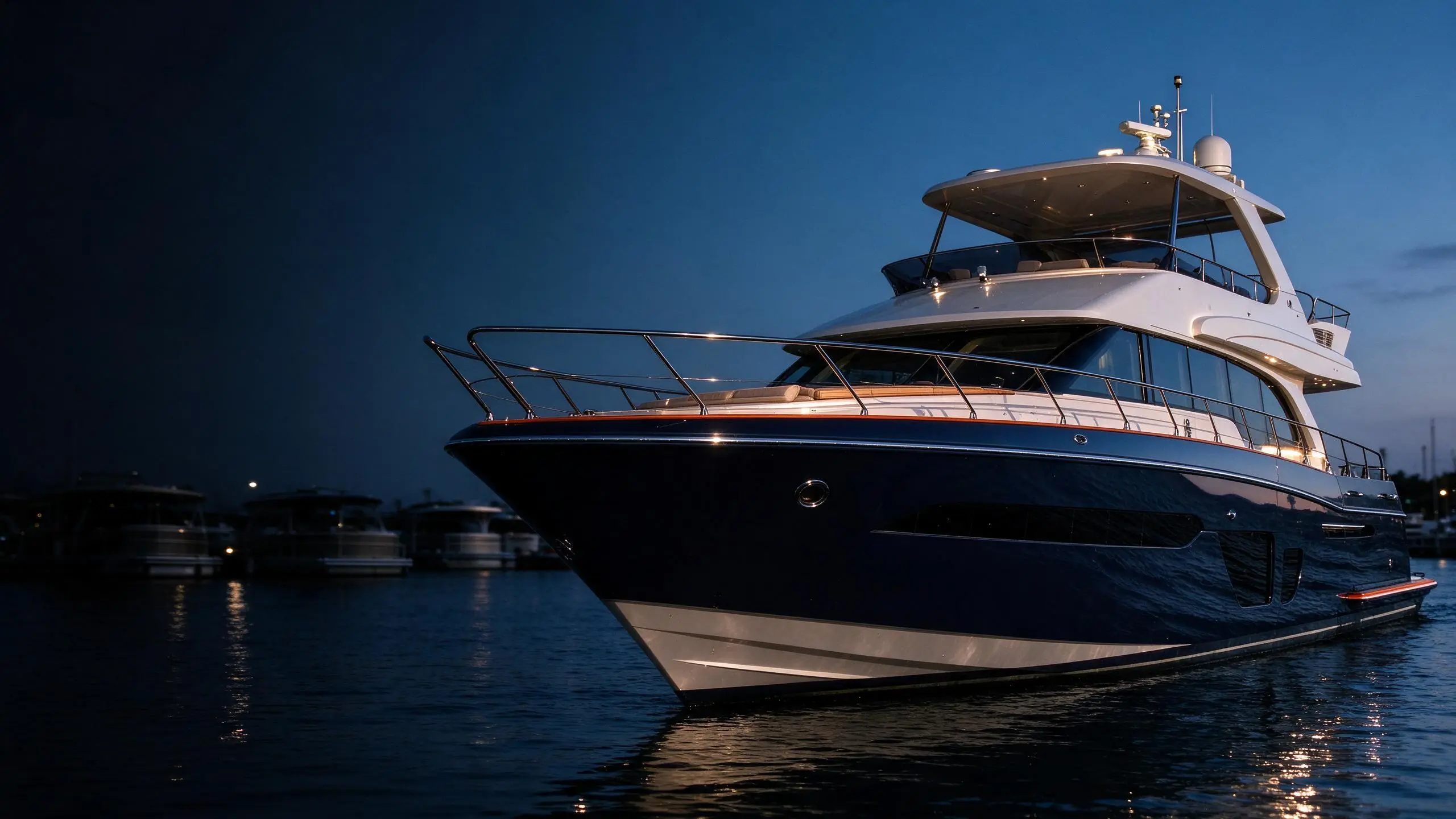
Four marine exposure factors to assess.
Salt water, UV, fender contact and contamination can affect a marine surface. Define the actual hull material, finish and exposure before selecting a film.
Salt deposits and crevice corrosion
Assess salt and moisture at film edges and their compatibility with the underlying surface.
UV at sea
Include direct and water-reflected light in the exposure plan. The actual dose depends on the conditions; no universal multiplier is assumed.
Dockside contact abrasion
Evaluate fender, rope and pontoon contact on representative surfaces.
Gelcoat staining
Assess fuel, teak oil and bird-dropping contamination with the actual finish and cleaning guidance.
Salt and moisture exposure
Agree wet and dry conditions representative of the intended hull service.
Xenon and UV accelerated aging
Plan color and gloss measurements before and after exposure; agree the method, duration and acceptance criteria.
Abrasion and impact
Define panel tests representing fender contact and rope rubbing.
Stain and chemical resistance
Agree exposure and cleaning tests for fuel, oil and organic contamination on the selected coated surface.
Define the pilot requirements.
The joint development program covers pilot supply, installation scope and onboard testing.
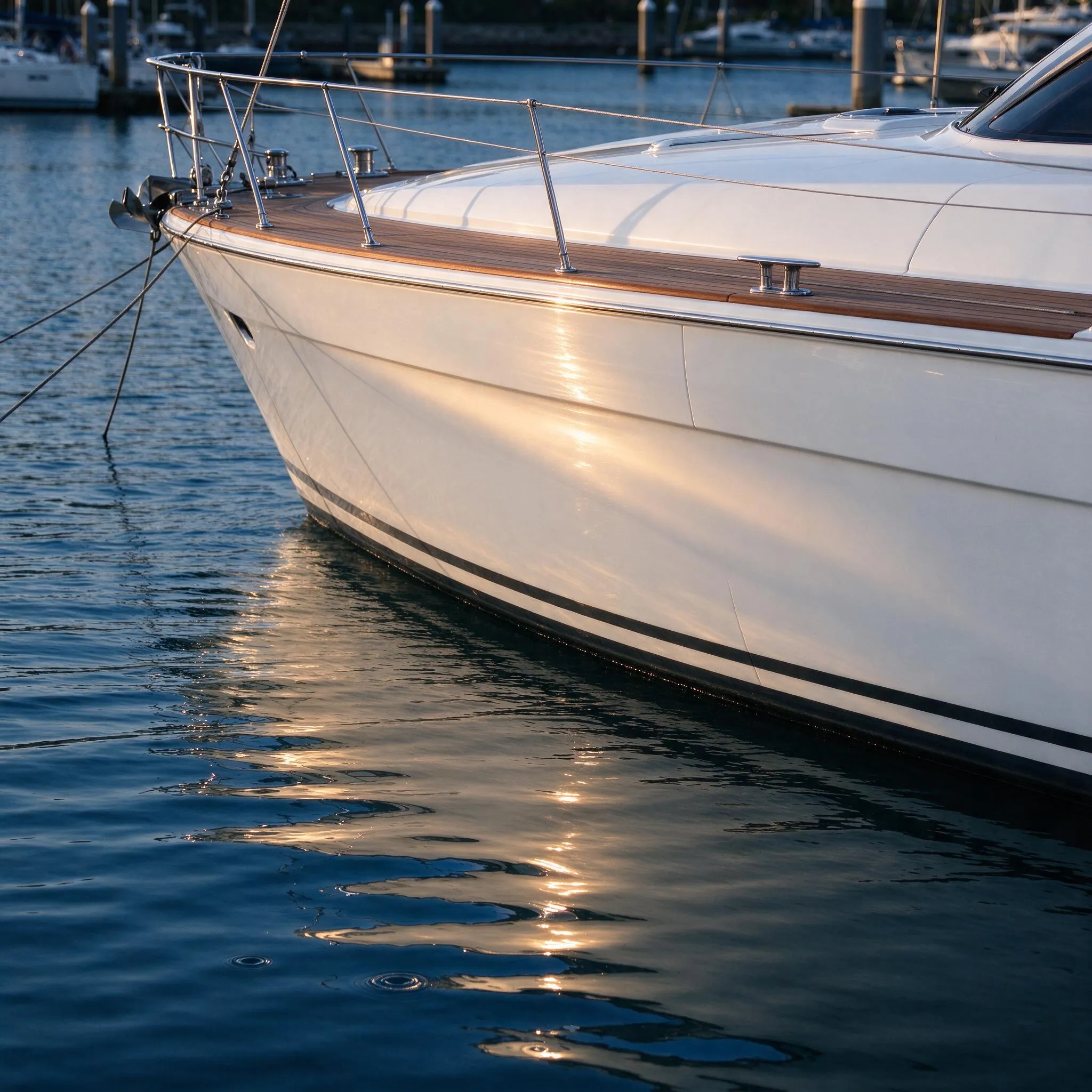
Vessel and seasonal exposure
Agree a vessel trial with before-and-after records, exposure details and a review period appropriate to the intended use.
Discuss a pilot project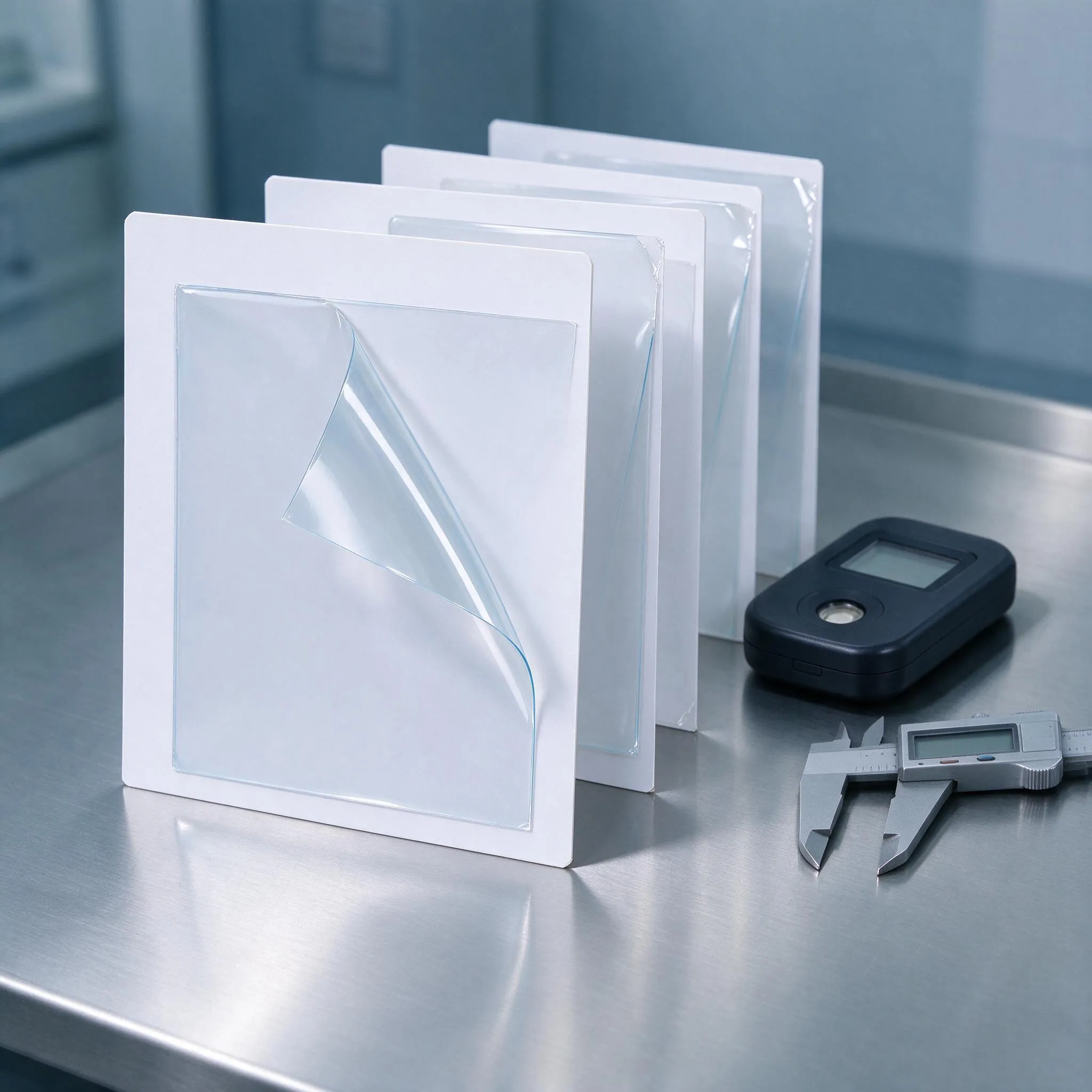
Panels and a specification
Define target finish, thickness and TPU grade, then agree the salt, UV and abrasion evaluation plan with the laboratory.
Discuss the test plan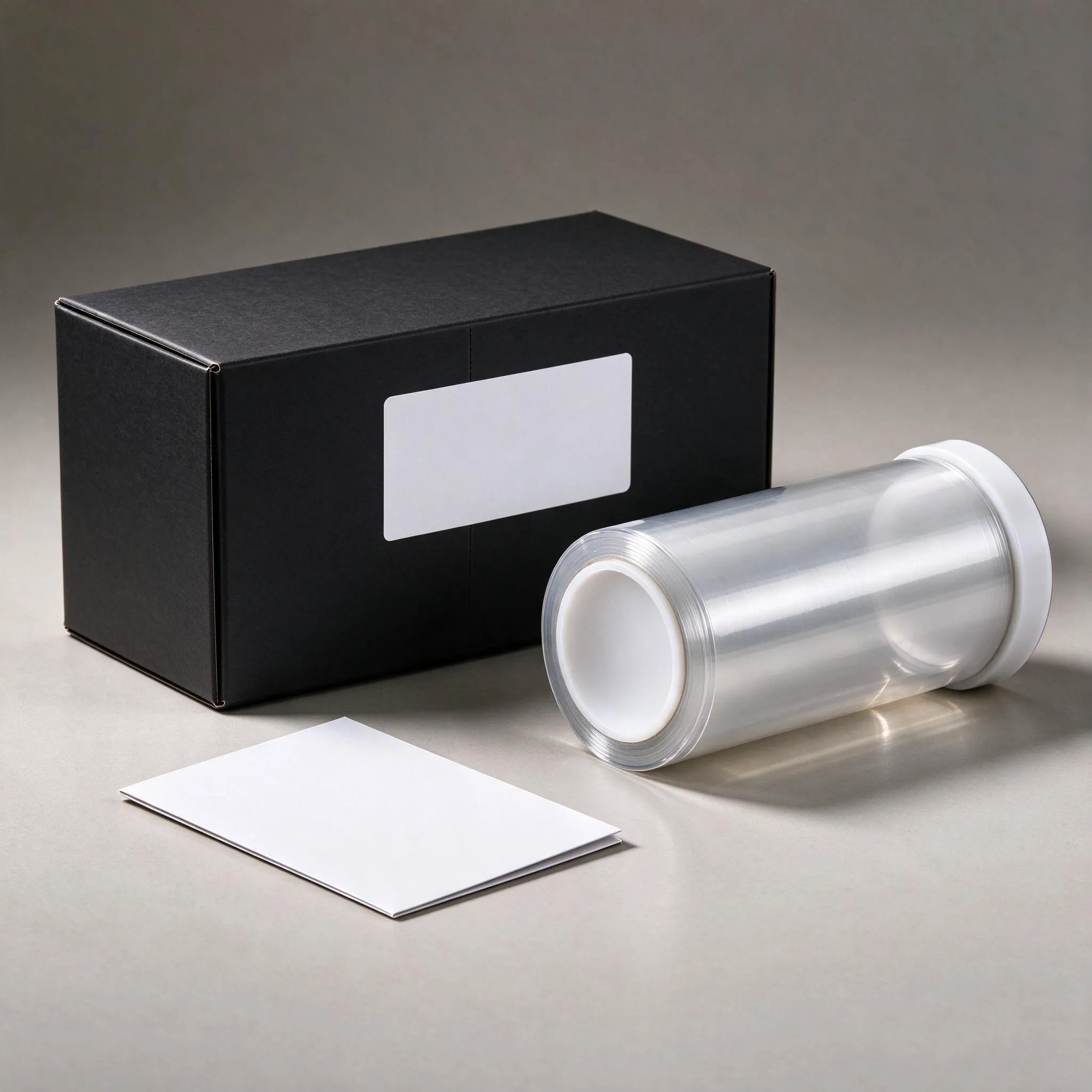
Plan the route to market
After application validation, discuss private-label packaging and warranty administration through ODM. Marine coverage and terms require a separate project agreement.
Explore the ODM routePerformance areas to validate.
These are development directions, not published product results. Agree the values and methods with each partner and validate them before issuing a product specification.
| Area | Exposure to assess | Development direction |
|---|---|---|
| Hull and topsides | Salt, UV, fender contact and washdown chemicals | Higher-thickness TPU; target UV stability of the topcoat |
| Superstructure | Gloss retention under reflected light | Clear gloss grades; define gloss and color retention targets |
| Deck and teak margins | Abrasion, oil and teak-oil staining | Target stain resistance; assess edge sealing |
| Tenders and equipment | Impact and repeated flexing | Thinner grades; define elongation and durability targets |
Sample, vessel trial, specification, supply.
Combine laboratory evaluation with trials in the intended marine environment. Agree the stages and decision criteria before scaling supply.
Brief
Hull material, waters, exposure and the owner’s intended finish.
Sample
Agree the panel and roll samples needed for your evaluation.
Vessel trial
Plan seasonal exposure with records at agreed intervals; define the duration for the project.
Specification
Review validated results before agreeing product specifications, packaging and repeat supply.
Before a pilot project.
Is marine film available as a stock product?
What does a partner need to provide?
What warranty would apply?
Can the film carry our brand?
Explore other applications.
Discuss a vessel trial and a laboratory plan.
Tell us the hull material, waters and finish requirements. Agree the samples, test plan, responsibilities and commercial scope for a pilot project.