
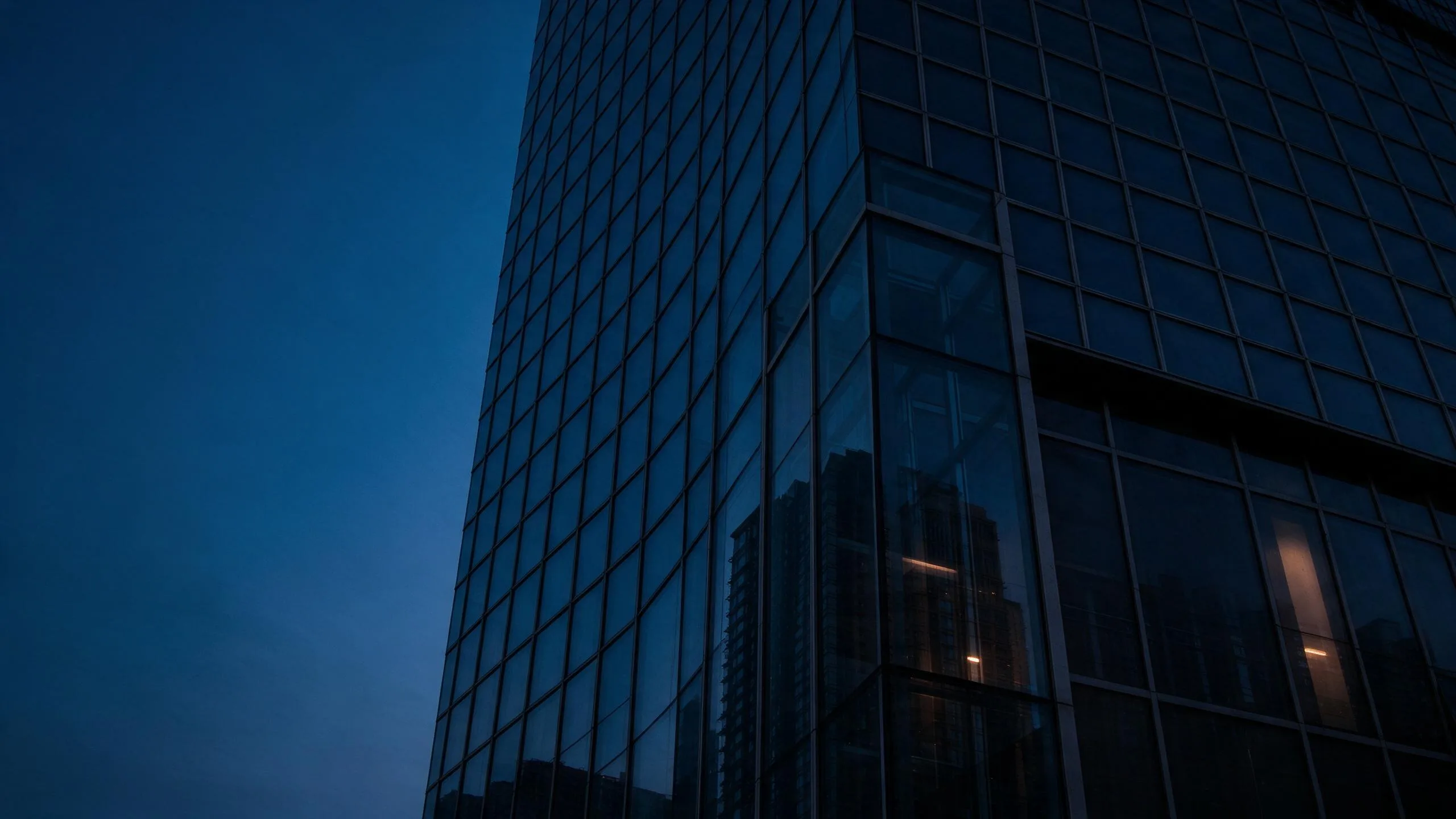
Ten tints, with data for each option
Use Type AG 03 for lower visible light transmission and Type AG 37 for more daylight. Compare each tint on the glazing planned for your project.
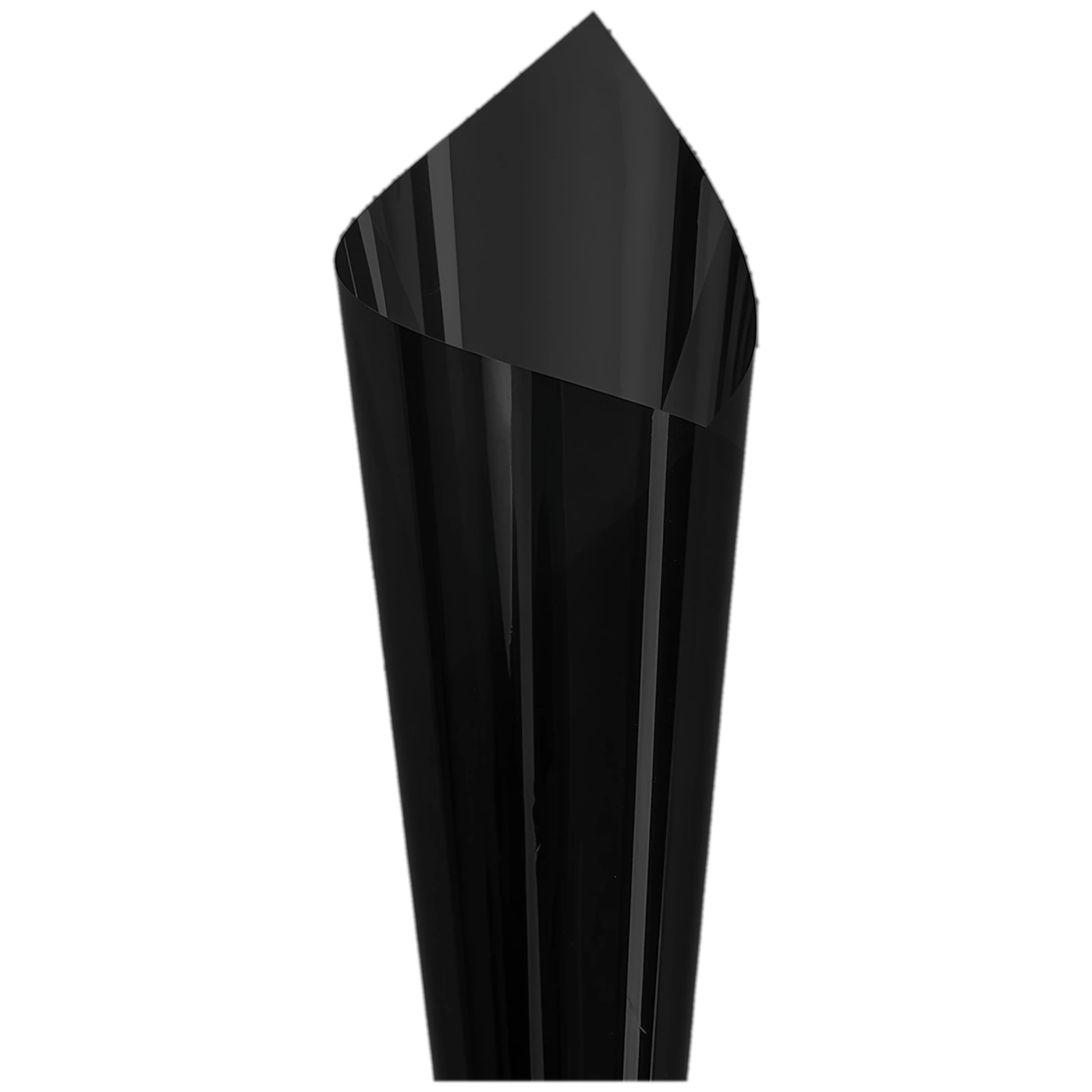
TYPE AG Black SILVER 03
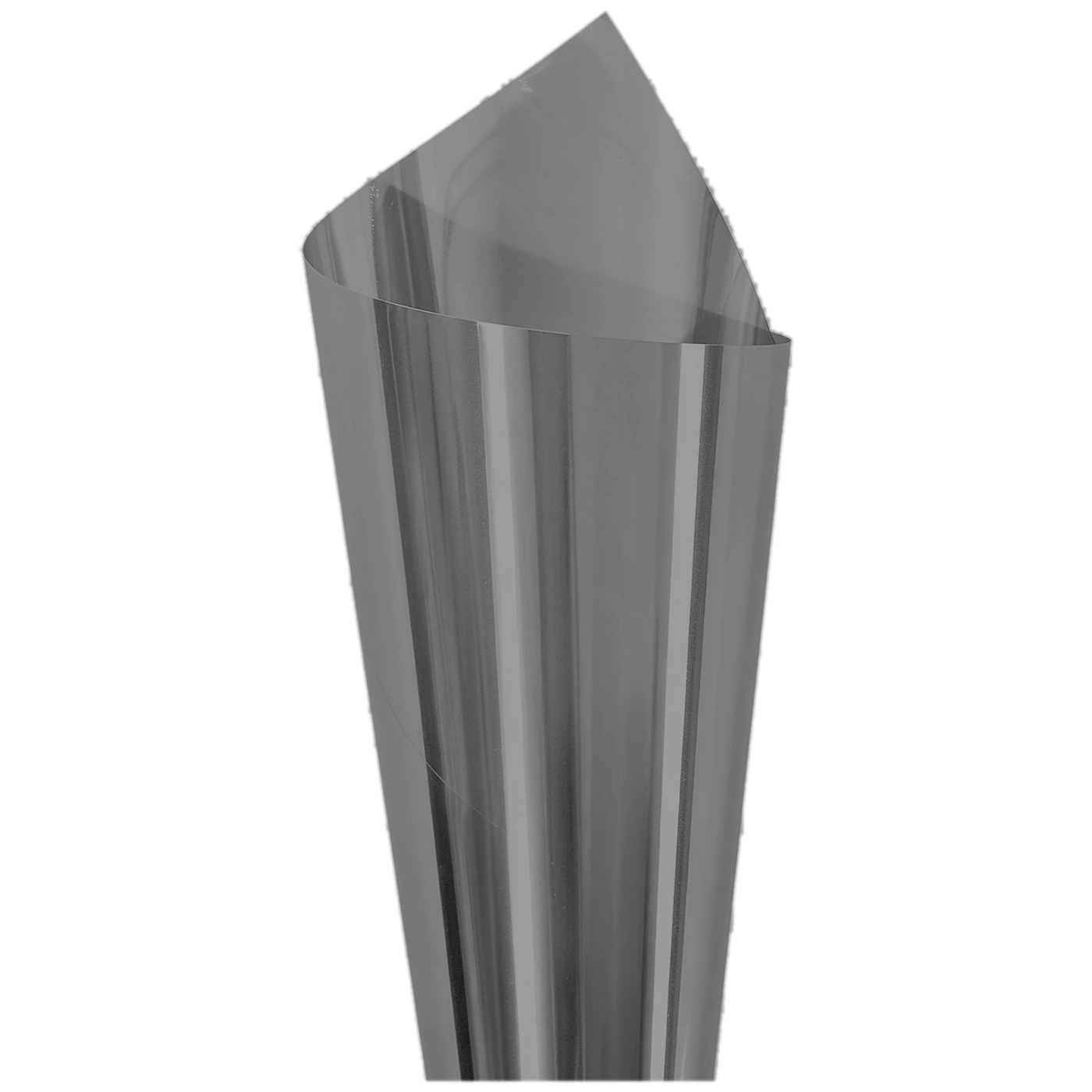
TYPE AG SILVER 07
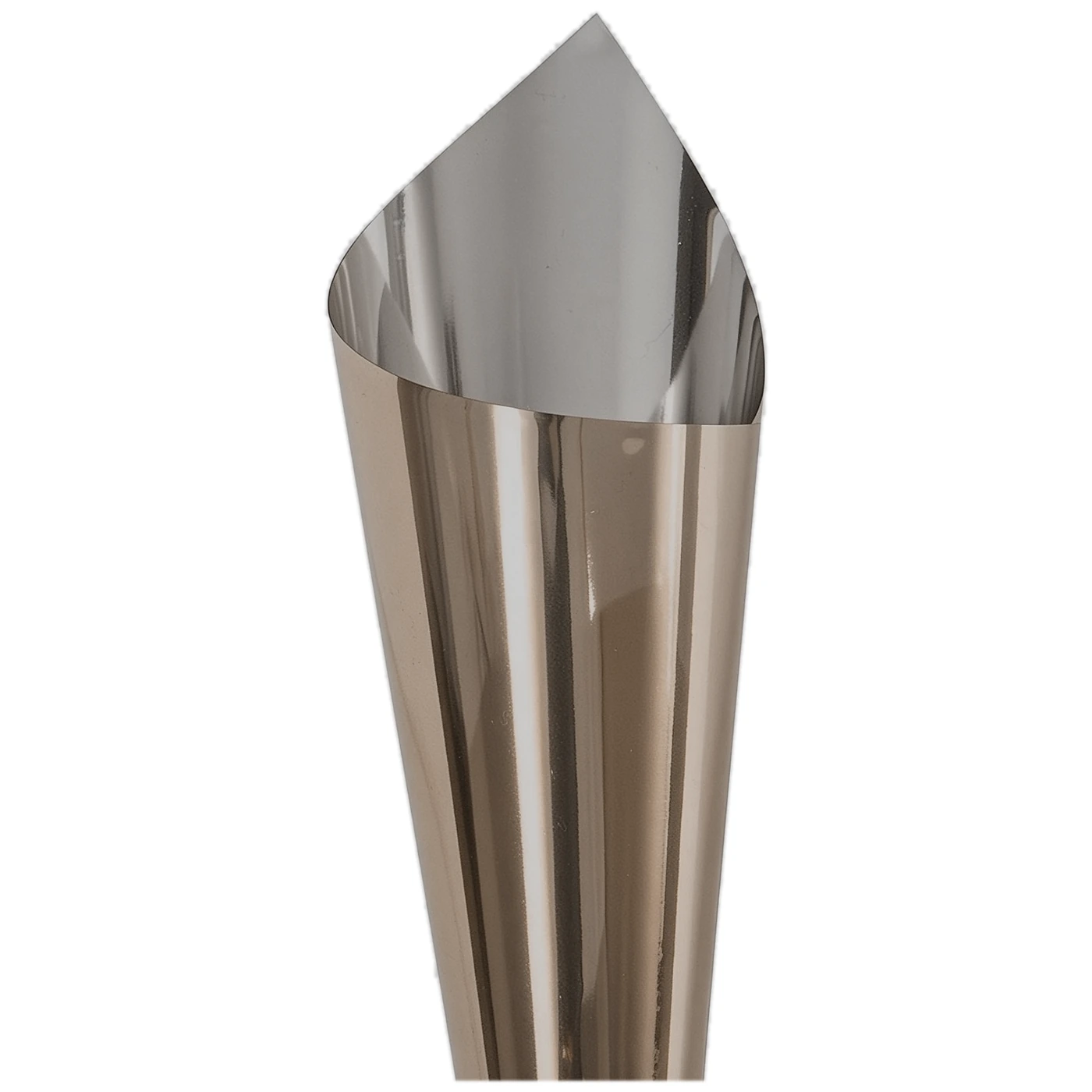
TYPE AG Tea SILVER 10
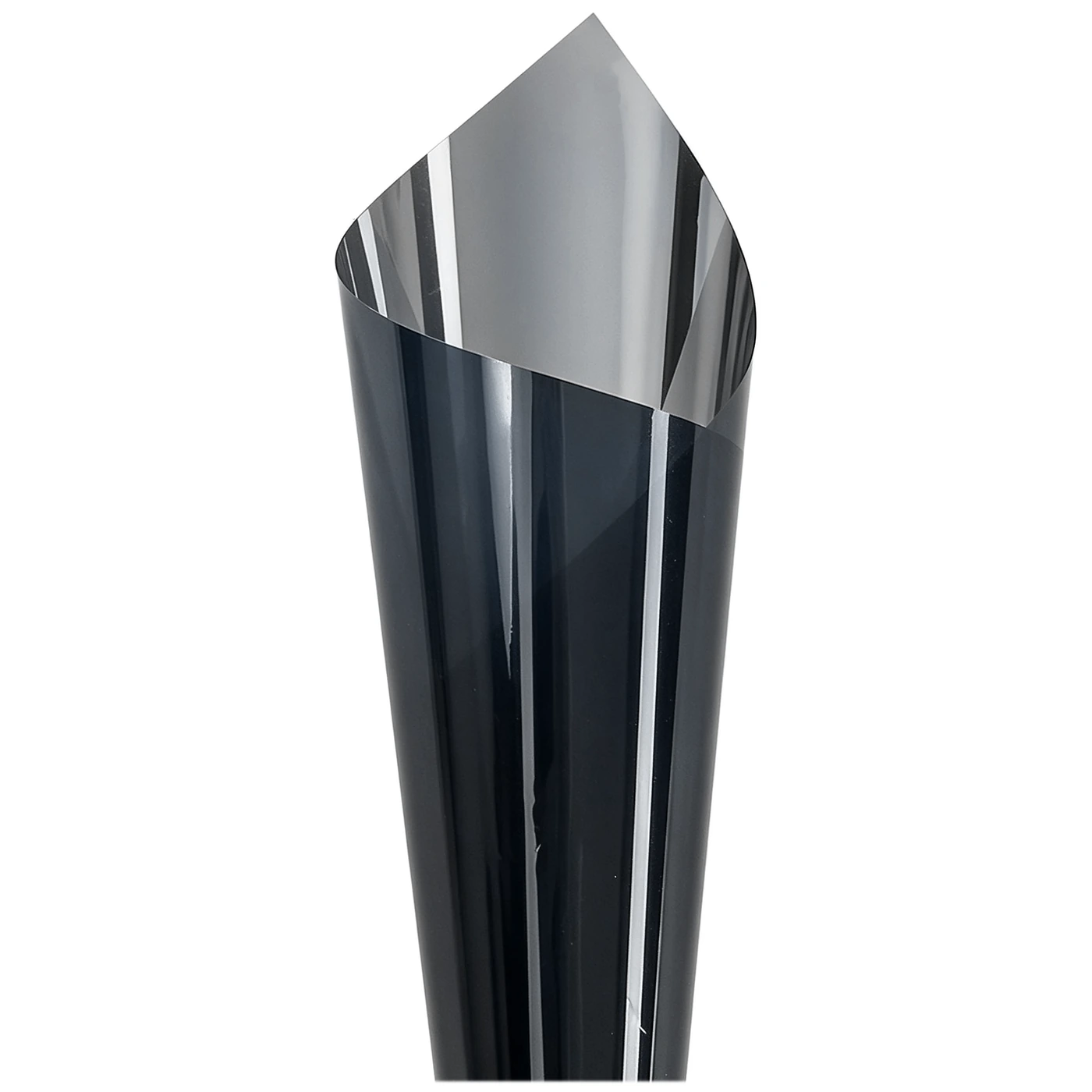
TYPE AG Dark Blue SILVER 14
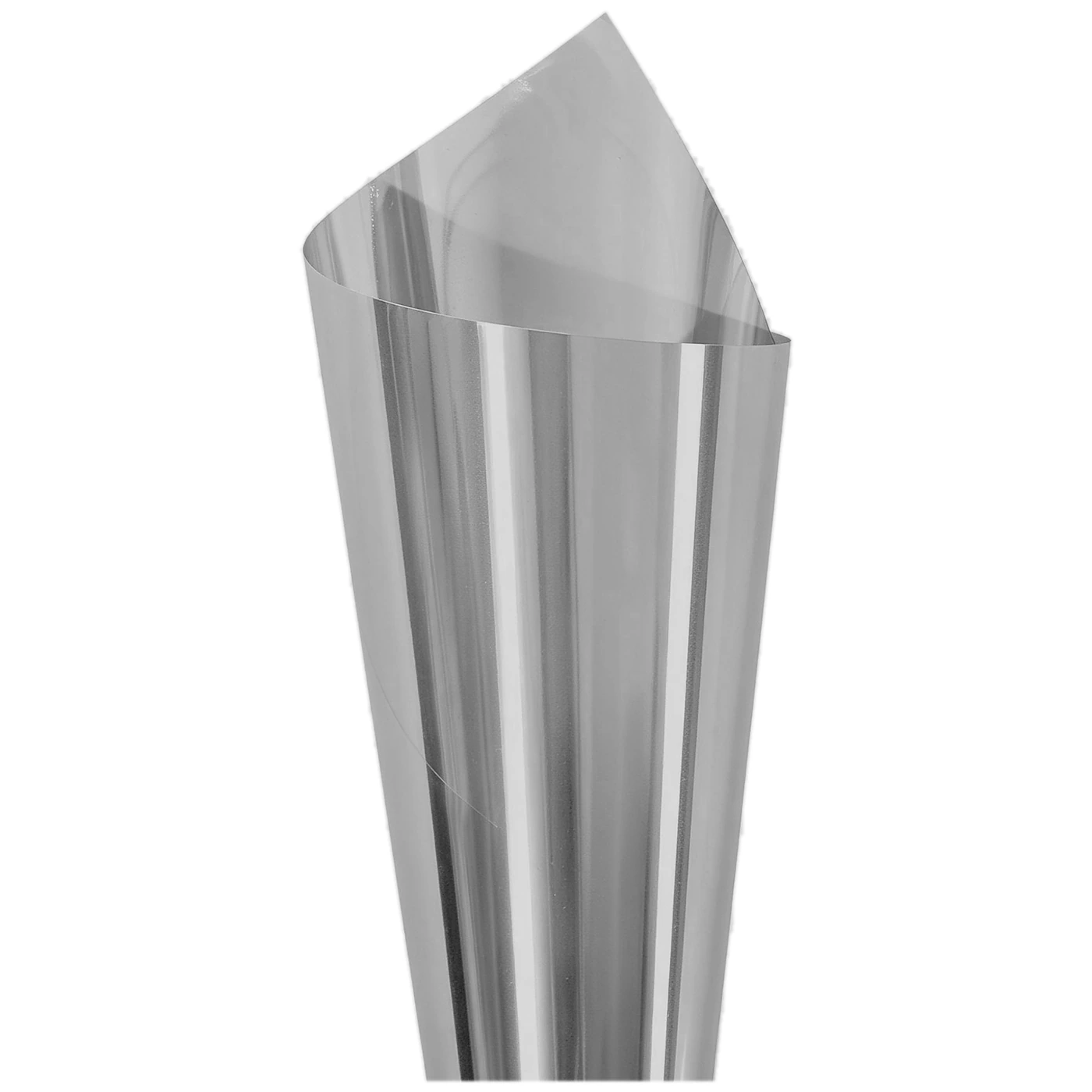
TYPE AG Grey SILVER 14
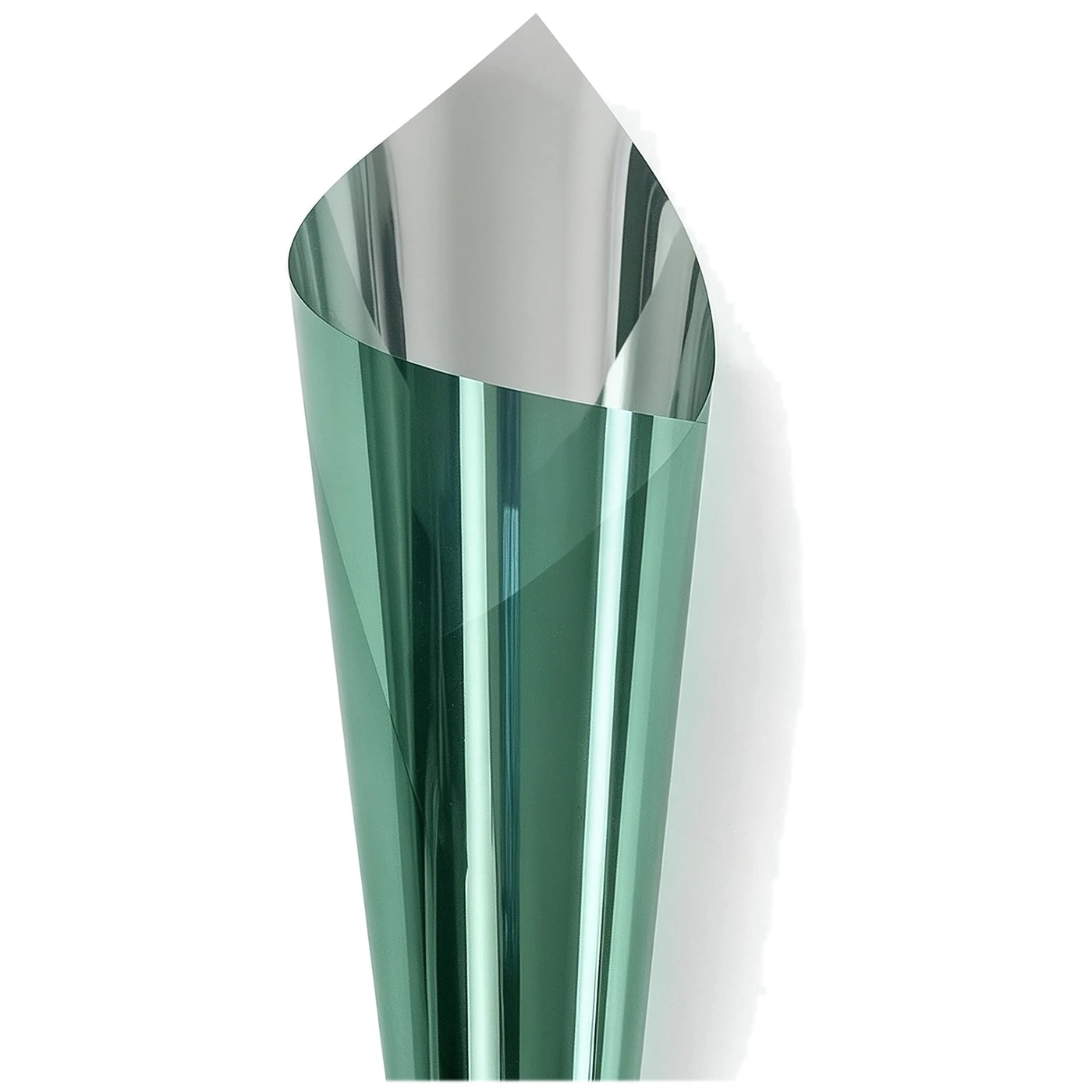
TYPE AG Green SILVER 18
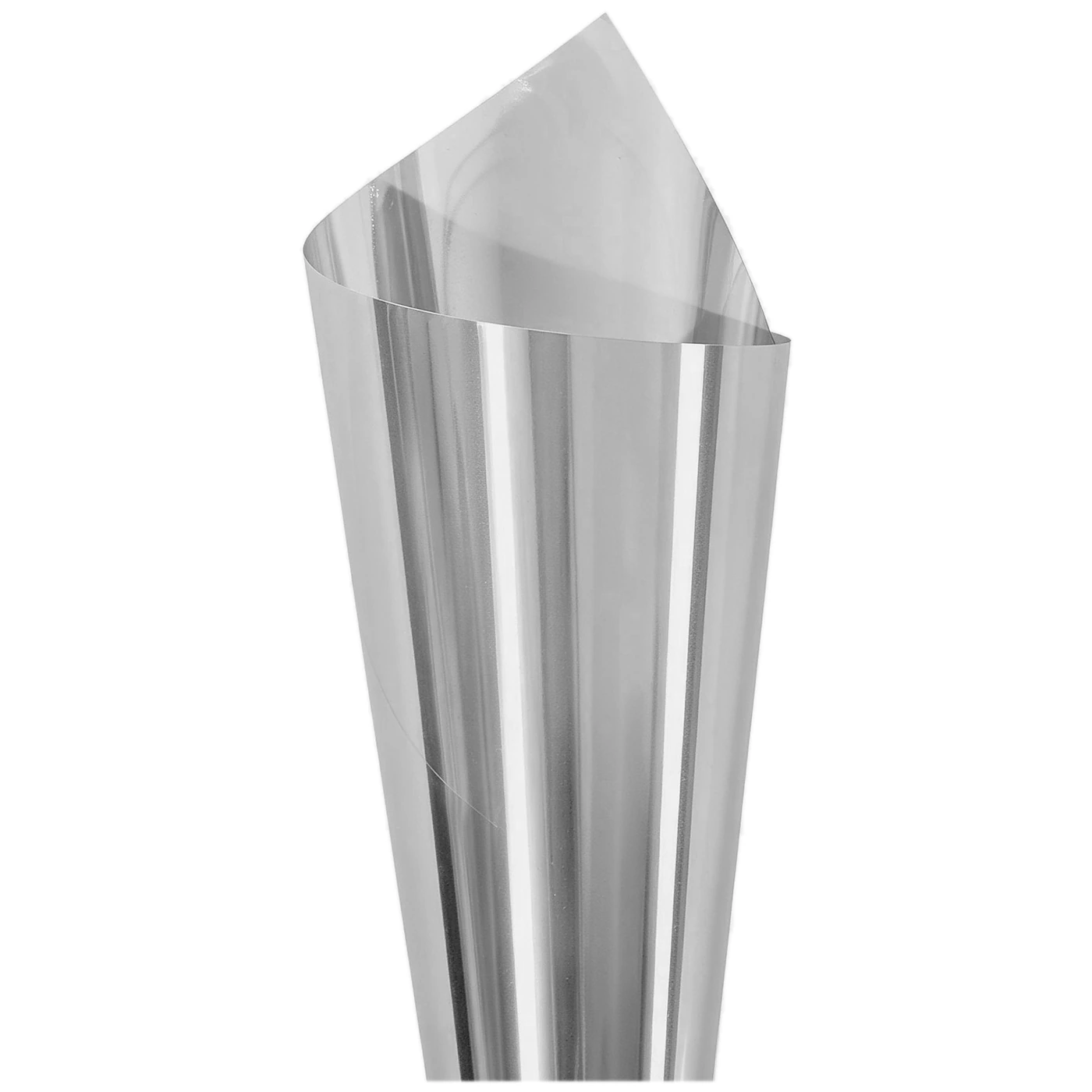
TYPE AG SILVER 20
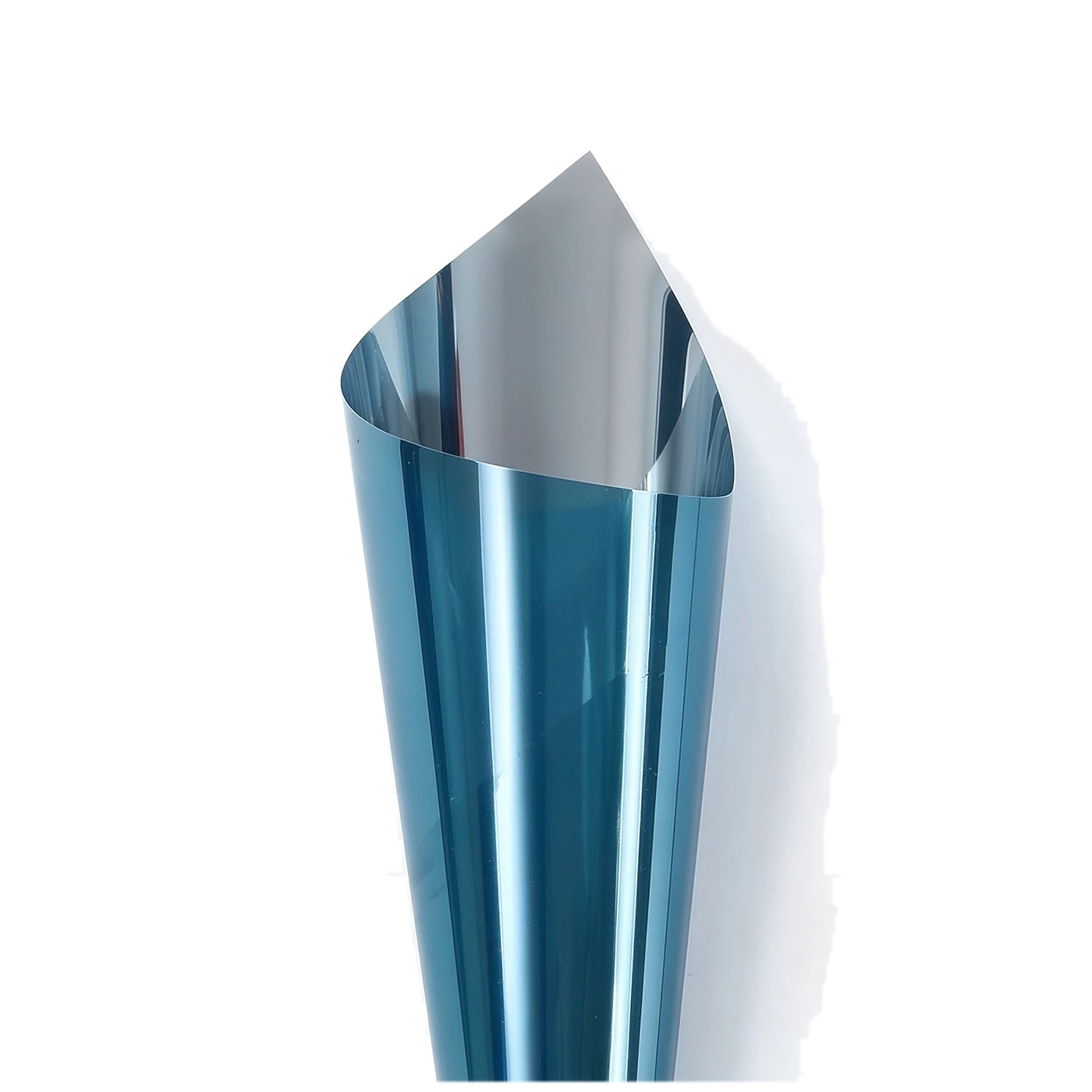
TYPE AG Light Blue SILVER 22
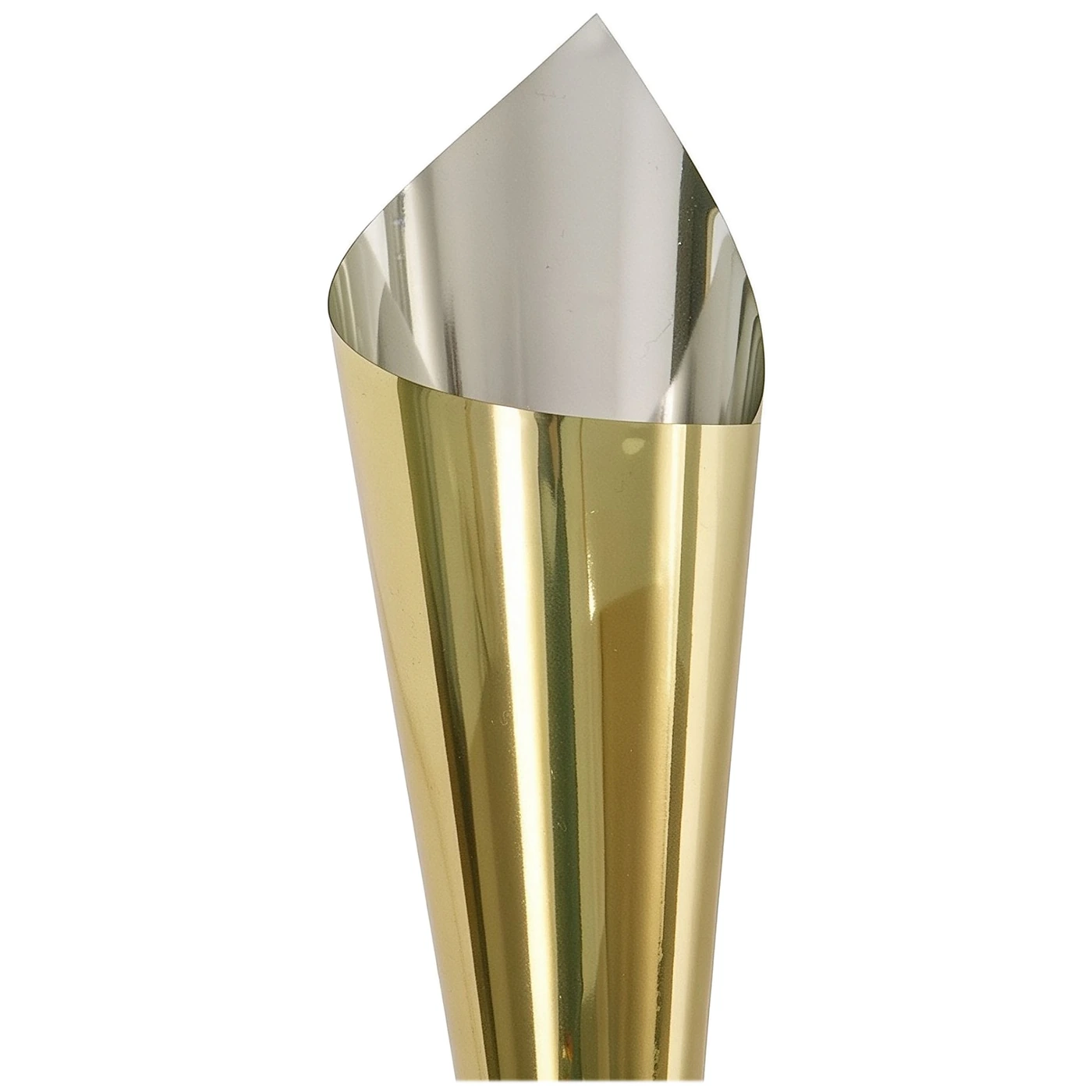
TYPE AG Gold SILVER 25
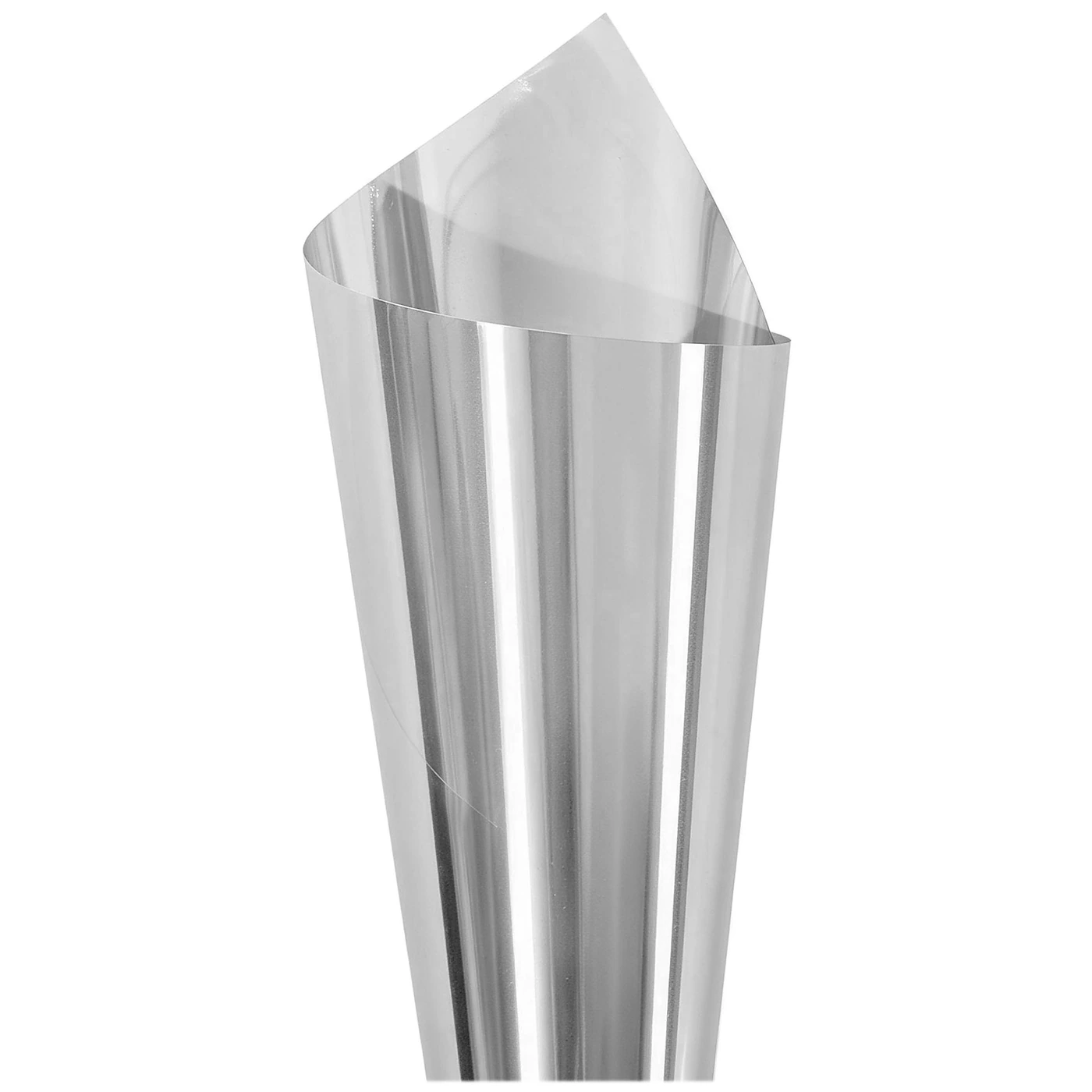
TYPE AG SILVER 37
Values are listed separately for each tint; do not transfer one tint’s data to another or treat IRR as total solar-energy rejection. Discuss specifications and application guidance →
Match the tint to the glazing and project
Final selection depends on glass build-up, orientation, lighting and project requirements. Request the relevant model data and assess a sample on the actual glass before specifying.
| VLT | Tints | Selection consideration | Application examples, subject to assessment |
|---|---|---|---|
| 3 – 10% | Black SILVER 03 · SILVER 07 · Tea SILVER 10 | Lower light transmission; not total blackout or guaranteed privacy | Shopfronts, ground-floor rooms or storage areas, after assessment |
| 14 – 22% | Dark Blue 14 · Grey 14 · Green 18 · SILVER 20 · Light Blue 22 | Balance daylight and visual screening; lighting conditions matter | Office glazing, meeting rooms or hotel rooms, after assessment |
| 25 – 37% | Gold 25 · SILVER 37 | Higher source VLT within this range; assess glare and daylight | Atria, skylights, lobbies or showrooms, after assessment |
From survey to handover
A glazing survey identifies glass type, edge conditions and access so the installation team can select the film and plan the work.
Survey
Record glass build-up, orientation, frame depth and seal condition.
Specify
Confirm the model, tint and areas for each elevation, with a sample assessment on the actual glass.
Install
Confirm the application side, edge details, installation solution and curing conditions under the product-specific guidance.
Handover
Agree on care instructions, the film schedule and any model-specific warranty documentation.
Film, replacement glazing or blinds?
Compare initial cost, access, disruption and replacement needs for the actual building; no universal lifetime-cost saving is assumed.
| Option | Existing frame | Daylight | Works and access | Later replacement |
|---|---|---|---|---|
| Window film | Reuse if compatible | Depends on selected tint and glass | Estimate per elevation and site conditions | Film replacement, subject to construction |
| Replacement glazing | New glass units; check frame compatibility | Depends on selected glazing | Estimate per elevation and access | Glass-unit replacement |
| Blinds and shades | Reuse if compatible | Depends on covering and position | Estimate per window and system | Hardware or covering replacement |
Before specifying
Can film be applied to existing double glazing?
Does the mirror effect provide privacy at night?
How is installation time estimated?
Do you supply rolls or project quantities?
Explore other glazing-film options.
Send the elevation details to discuss a film schedule.
Share glass build-up, orientation and the issue to address. Discuss the suitable models and sample availability for assessment on the actual pane; no universal safety, compliance or energy-saving result is promised.