
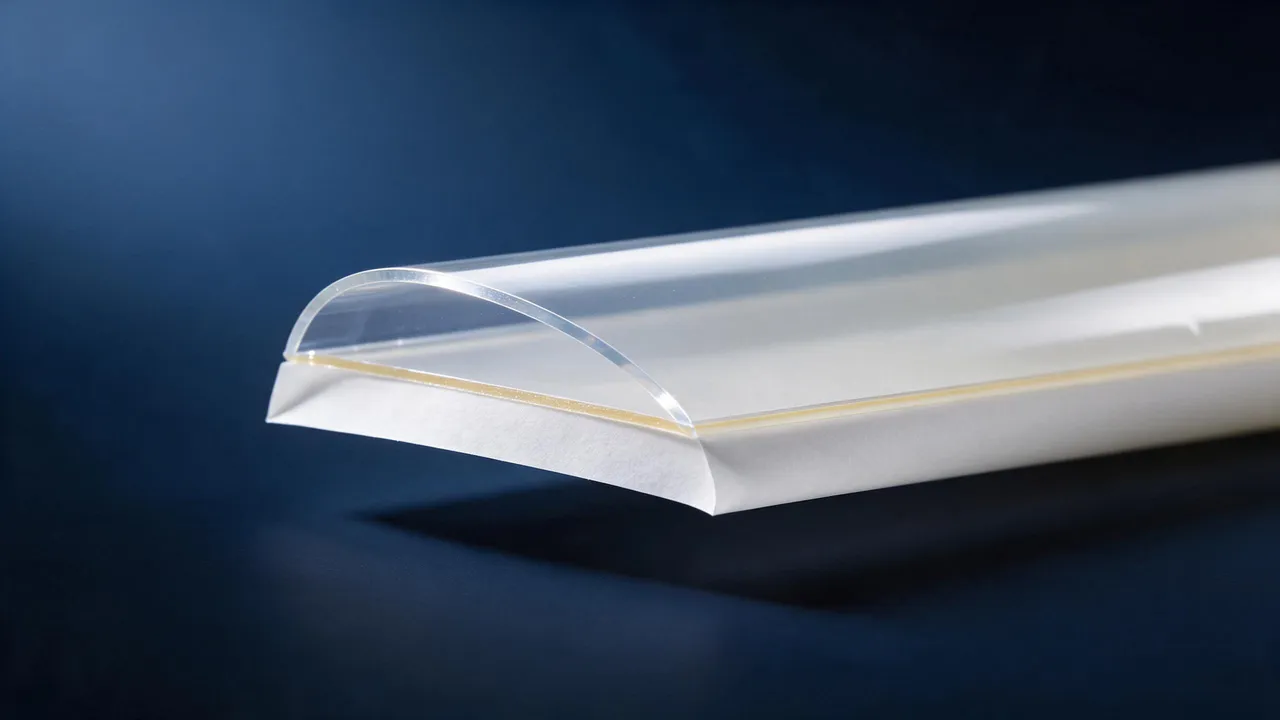
Short answer: A pressure-sensitive adhesive (PSA) bonds through intimate contact with a suitable surface under pressure. Surface treatment, a compatible primer or tie coat, and adhesive formulation are different design tools; a separate primer is not automatically required on vehicle paint. Evaluate the actual interfaces, peel conditions and removal behavior, and diagnose slip, bubbles or residue before selecting a correction.
Edge lift or residue can lead to a quality investigation or claim, but does not identify a single cause or establish warranty coverage. A film may contain a protective cap, coating, TPU, PSA and liner; the exact stack is product-specific. Distinguish the paint–adhesive interface from internal laminate interfaces rather than assuming one primer serves every location.
This guide explains interface design, possible failure modes and test information to request. Its peel-force numbers are source discussion examples, not a new CHISI product specification or universal incoming-inspection band. Confirm the exact construction, substrate and applicable method before setting a requirement.
On this page
How the adhesive–surface interface works
A PSA needs adequate contact and compatible surface conditions, with a balance of wetting, tack and cohesive strength. Paint is not universally a low-energy surface, and a ready-to-apply film does not necessarily need an added primer to make a durable bond. Cleanliness, paint condition and the specified installation procedure must be assessed for the exact system.
Inside a laminate, adhesion between the PSA and base film is a different interface from coating-to-base adhesion. A tie coat may support an internal interface where the design requires it. Do not assume that the PSA directly contacts the exterior topcoat, or that an internal tie coat is the same as a vehicle-side treatment.
Three adhesion-design routes
Surface treatment, a compatible interlayer and adhesive formulation can each influence bonding. They are not mandatory ingredients in one universal PPF recipe. Choose and qualify the combination for the actual interfaces, manufacturing process and intended removal conditions.
Corona, plasma or flame treatment can change the chemistry and surface energy of a polymer during controlled manufacturing. The effect and storage stability are process-specific. These industrial methods are not instructions to flame-treat vehicle paint or improvise treatment during PPF installation.
A suitable primer or adhesion-promoting layer may improve a particular interface, but its function and location depend on the chemistry. Match it to the substrate, adhesive and process. An explanation of industrial primer design is not approval to add primer to paint; use only a product-specific approved system.
Adhesive design balances wetting, initial tack, cohesion, peel and removal behavior; more of one property does not guarantee a better outcome. Its 20-minute and 24-hour peel references require defined substrate, rate and conditioning.
Investigating adhesion defects
Slip, bubbles and residue describe observations, not unique diagnoses. Check the affected layer, substrate condition, application history and sample evidence before assigning a manufacturing or installation cause.
Movement or edge lift may involve contamination, insufficient contact, residual tension, liquid, temperature or an unsuitable adhesive–substrate combination. It does not prove that a primer is missing. Investigate the actual cause and follow the approved preparation or rework procedure.
Bubbles may involve trapped air or liquid, outgassing, surface condition or loss of contact. Their shape alone cannot identify a formula defect or installation fault. Use the film’s approved inspection and waiting or rework criteria rather than adding primer or heat as a universal remedy.
Residue can include cohesive splitting of adhesive, interlayer separation or affected paint or coating. Identify what remains and which interface failed. Adhesive formulation, aging, surface condition and removal conditions may contribute; residue alone does not prove excessive tack or plasticizer migration.
Comparing the design routes
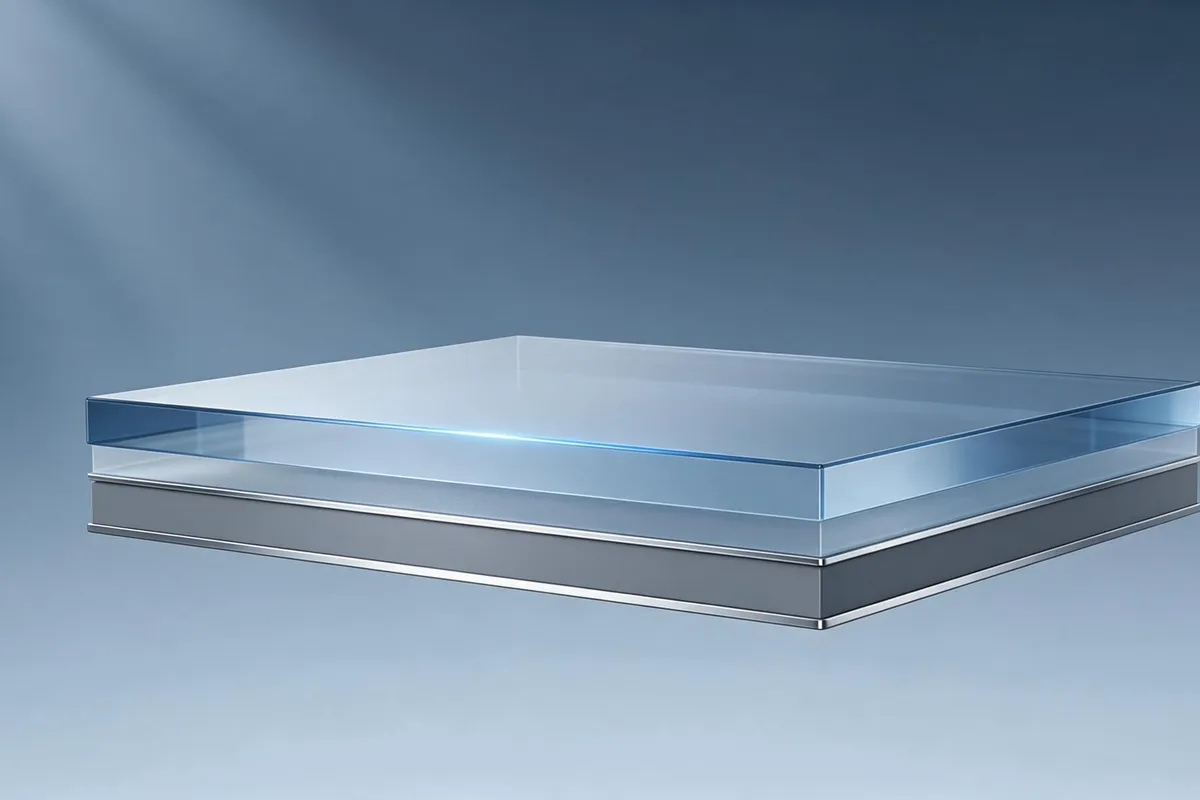
Use the table as a design discussion, not a ranking of universal cost or durability. A qualified system may use different combinations; the required interfaces and process determine the choice.
| Route | Cost factors to assess | Durability evidence | Application implications |
|---|---|---|---|
| Surface treatment | Equipment, process control and storage interval | Confirm treatment stability and relevant aging tests | Factory operation; installer follows product-specific instructions |
| Compatible primer or tie coat | Material, interface matching and process validation | Evaluate the specified bond; not automatic protection from edge lift | Use only in its approved location and system |
| Adhesive formulation | Development, coating and qualification work | Test tack, cohesion, peel, aging and removal together | Confirm repositioning and application conditions |
Adhesion test methods
Name the exact interface and test before comparing a number. Peel, coating cross-cut and retained peel after aging answer different questions. Record specimen, substrate, preparation, pressure, dwell, angle, rate and environment; none of these tests alone proves field life.
| Method | What it assesses | Conditions to define |
|---|---|---|
| 180° peel | Peel response of the defined film–substrate system | Record the film and paint system, preparation, installation conditions and location of the issue. Use the product’s approved procedure before deciding on rework. |
| Coating cross-cut / tape assessment | Classification of a suitable coating interface, not PSA peel force | Record the film and paint system, preparation, installation conditions and location of the issue. Use the product’s approved procedure before deciding on rework. |
| Retained peel after a defined heat/moisture exposure | Change in peel under the specified aging and measurement conditions | Define the cycle, baseline and retention calculation; no automatic lifetime conversion |
Humidity or boiling-water exposure may be useful for a defined qualification question, but retained peel does not independently predict service life. Identify the actual failure mode and correlate the chosen test with intended use where needed. Our R&D and factory can discuss a suitable exposure and peel-test program. Request its conditions and available evidence instead of assuming an initial high peel value demonstrates long-term performance.
Incoming-inspection questions
Agree the sampling plan and relevant acceptance requirements before delivery. The following source examples show what to document, not a universal CHISI pass band or assurance of clean removal from every paint system.
| Item to check | Requirement and conditions to agree | Purpose |
|---|---|---|
| Peel response | Record the film and paint system, preparation, installation conditions and location of the issue. Use the product’s approved procedure before deciding on rework. | One response to compare alongside tack, cohesion and removal tests |
| Test method | Named peel procedure with substrate, angle, rate and dwell | Supports controlled comparisons, not a complete end-use ranking |
| Batch consistency | Defined sampling and agreed property limits across batches | Detects measured drift; does not prove every roll was tested |
| Aged peel response | Retention after the named humidity or hot-water cycle | Evaluates that exposure; field life requires further evidence |
Specifying primers and tie coats
Identify whether a primer or tie coat is actually part of the proposed design, where it sits and which materials it contacts. The terms can overlap, but their location and chemistry cannot be assumed. Compatibility must be shown for the complete system; mixing components from different systems is not automatically acceptable.
For a custom project, discuss early and later peel behavior alongside repositioning and removal. Define the feasible specification and consistency checks as discussed in the adhesive-science guide. The OEM and ODM catalog presents adhesion-related customization topics; confirm the actual interlayer design and achievable peel targets for the project.
Frequently asked questions
Does every TPU PPF require a separate primer?
No universal requirement follows from the material name. A suitable PSA can bond without a separate paint-side primer. Confirm the exact film, paint condition and approved procedure; do not add an industrial primer to a vehicle based on a general interface explanation.
How do primers and tie coats differ?
The terms depend on the industry and design. An internal tie coat can link layers of the film, while a primer may treat a specified substrate. Neither term proves that the paint needs treatment or that all products use the same chemistry. Identify the actual interface and approval.
Which peel requirement should be specified?
Define the product, substrate, method, angle, rate and conditioning first. Confirm what the original force unit means and keep it distinct from g/25 mm or N/in unless a documented conversion is justified.
Why can residue remain after removal?
Possible causes include adhesive cohesive failure, interlayer separation, aging and removal conditions, or damage to an underlying coating. Examine the residue and failed surface before blaming tack or migration. Removal cleanliness and paint condition need their own assessment, not a peel-force maximum alone.
What does a humidity or hot-water test show?
It shows the response under that defined cycle and measurement method. Retained peel may help qualification, but does not alone predict edge lift, residue or service life outdoors. Record the specimen and any failure location, and relate the result to the intended use through appropriate evidence.
Can an OEM project adjust adhesion behavior?
Discuss the feasible adhesive and interlayer design with early and later peel, repositioning and removal requirements. Confirm trials, batch checks and the contracted range. A customization discussion is not proof that every requested primer or target is already part of an existing CHISI product.
How should adhesion be checked on arrival?
Use an agreed sampling plan and method with defined substrate, preparation, dwell, angle and rate. Check the relevant lot data and aged response where required. Compare like-for-like records rather than treating “sticks well” or an isolated peel value as qualification.
Does surface treatment replace a primer?
There is no universal substitution rule. Treatment, a primer and adhesive selection serve different functions and may be combined or omitted in a qualified design. Confirm the actual interface and process rather than assuming every film needs both treatments or that treatment alone guarantees durability.
Talk to our materials team
Specify the interface, relevant adhesive behavior and test conditions together. Review batch consistency and aged response for the intended substrate instead of relying on a generic primer claim.
Our R&D and factory can discuss peel, coating-interface and environmental testing for the proposed construction. Ask for the applicable method and available report before setting requirements. To discuss an adhesion specification or OEM project, contact our team with the intended substrate and exposure conditions.