
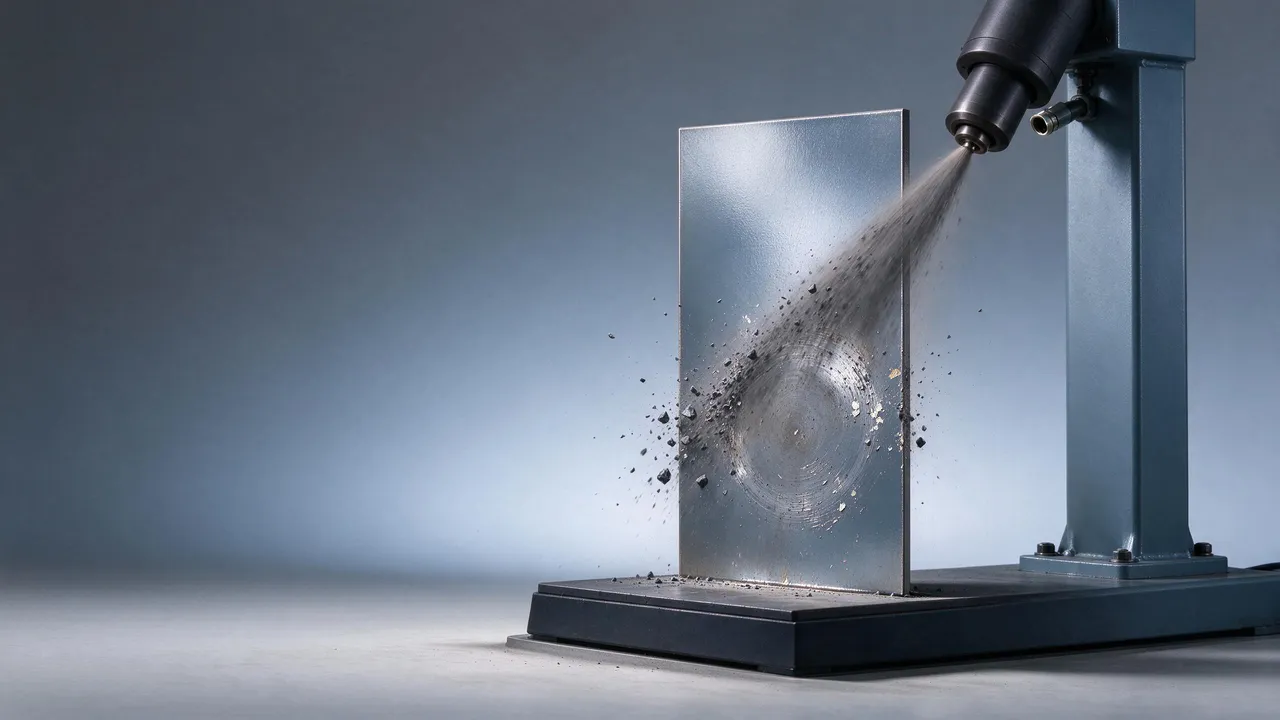
Short answer: Stone-chip evidence concerns the film, paint and supported panel tested together. Thickness and hardness describe only part of that system. Compare method, projectile, temperature, specimen and damage criteria. For wholesale or OEM qualification, define the procedure and examine both film and paint; no result guarantees protection against every road impact.
Ask what an impact rating actually measures: a visible mark, puncture, paint chipping or another outcome. These are different endpoints. Thickness is useful product information but cannot replace a documented report for the selected film and paint system under relevant conditions.
This guide reviews energy, momentum, film and substrate response, and procurement records. Tables list comparison questions, not CHISI impact ratings or universal acceptance limits. Keep laboratory results, installation observations, field experience and warranty terms within their own documented scopes.
On this page
Define stone-chip damage
A strike transfers energy and momentum through a contact area. A surface mark, puncture and paint damage are different possible outcomes, depending on projectile, film, paint and support. Inspecting the top surface alone may not answer what happened beneath it. Define the layers examined and rating procedure. The hardness and modulus guide distinguishes material measurements without turning them into a universal impact ranking.
Energy, impulse and the specimen
For mass m moving at speed v, translational kinetic energy is one-half m times v squared. Impulse is the change in momentum, a different quantity. Neither alone gives peak force, pressure or damage. Shape, contact time, angle, temperature, material response and panel support also matter. Record these conditions rather than predicting a universal better or worse outcome from panel stiffness.
Different test methods
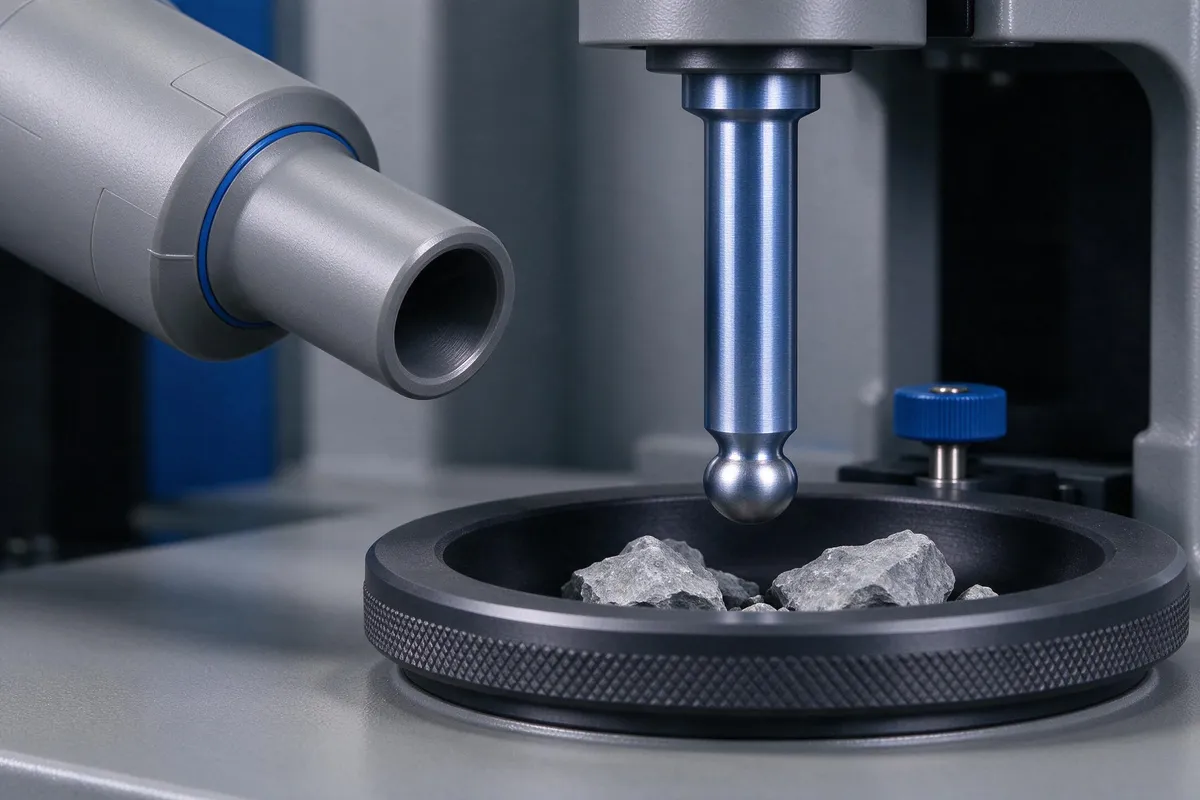
SAE J400 describes laboratory evaluation of surface-coating chipping by gravel impact, principally on flat panels. For a PPF-covered paint system, define the specimen, applicability and any departures. Falling-weight and single-projectile procedures can examine other conditions; their scores are not automatically interchangeable. Request the procedure, edition, specimen and damage criteria, not just a method name.
Thickness and installation
Compare actual thickness candidates while keeping other test conditions controlled and inspecting damage. Separately assess installation on relevant curves and edges. Thickness alone cannot establish a road-debris survival threshold, and the thickest film is not automatically the most suitable. Qualify the product against both impact and application requirements.
Film, paint and panel system
Record paint, its condition, panel, support and preparation. One result does not prove identical behavior on every vehicle or repainted finish. Inspect film and paint under the agreed method. A field complaint or photograph alone cannot identify stiffness, installation or material as the sole cause or determine responsibility.
Comparing procedures
Use the checklist to identify conditions behind a claim, not to rank methods universally. Confirm that the laboratory can apply the selected procedure to the proposed film, paint and support, and document any adaptation.
| Method example | Parameters to document | Result within that method | Comparison limit |
|---|---|---|---|
| SAE J400 gravel impact | Media, pressure, distance and repetitions per the actual procedure | Coating damage under documented conditions | Record preparation, apparatus and rating procedure |
| Falling-weight impact | Mass, height, striker and support | Damage under the defined loading | Record geometry, support and examined layers |
| Single-projectile impact | Mass, measured velocity and angle | Damage at the stated geometry and conditions | Record specimen, speed, angle and criteria |
Agree procedures and criteria before quoting a required performance. If reports use different methods or specimens, review the differences and arrange a comparable assessment where needed. A shared method name alone does not prove identical testing.
Product candidates and fit
Keep each candidate’s series, finish, construction and nominal thickness with the test results. Assess representative installations separately. Do not claim that an undefined “typical thickness” withstands most road impacts or substitute another model’s report for missing evidence.
| Candidate description | Impact assessment | Application assessment |
|---|---|---|
| Lower-thickness candidate | Measure film and paint damage under agreed conditions | Evaluate relevant curves and edges |
| Defined reference candidate | Use a traceable reference result and specimen | Record application and edge observations under stated conditions |
| Higher-thickness candidate | Compare damage using equivalent conditions | Assess conformability and model-specific application guidance |
Purchasing specification
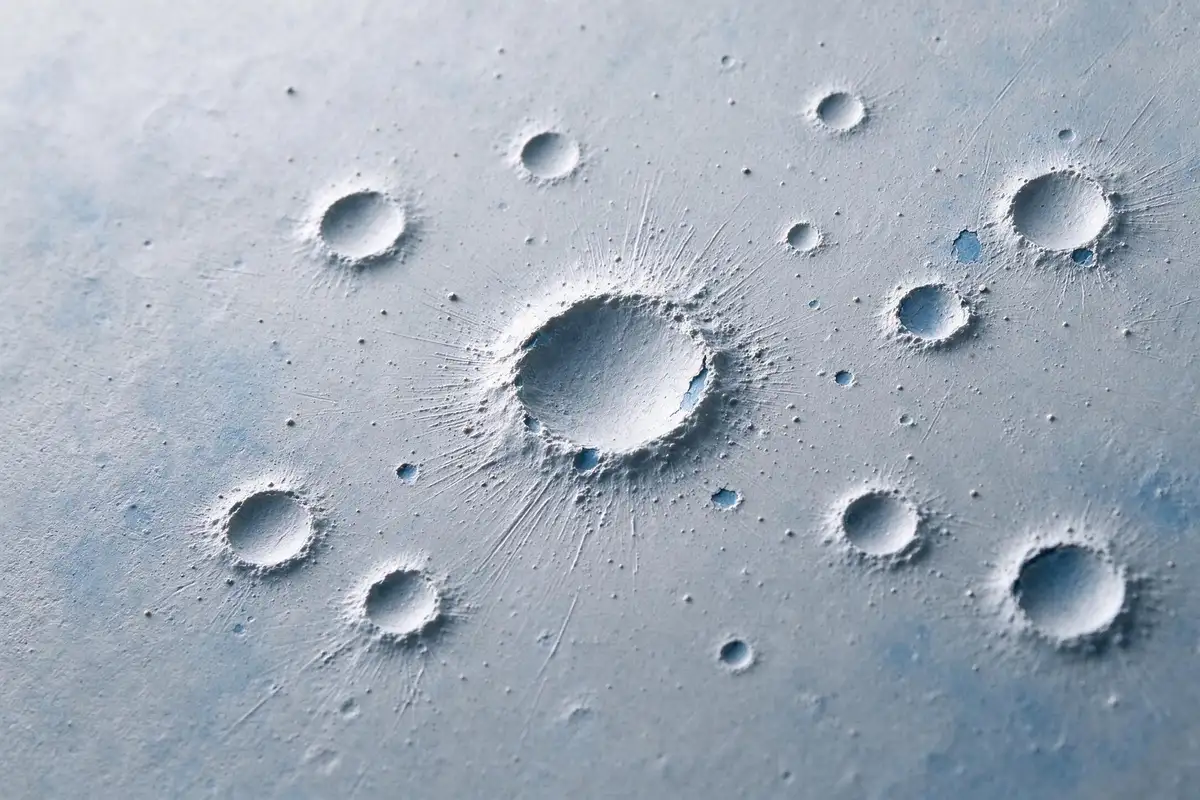
Define the claim through a method, conditions, complete specimen and acceptance rule. A thickness label or “high impact resistance” cannot supply those details. The table is a specification checklist, not a new CHISI test procedure, rating or guarantee.
| Specification item | Information to record | Purpose |
|---|---|---|
| Test method | Applicable method and version, with adaptations disclosed | Establish the comparison basis, not automatic equivalence |
| Test conditions | Relevant media, pressure, geometry, velocity and support | Interpret the result within documented exposure |
| Acceptance criteria | Separate film and paint endpoints with the agreed scale | Support a defined receiving decision |
| Panel, finish and support | Identify the actual construction, condition and preparation | Keep specimen differences visible in comparisons |
For a CHISI wholesale or OEM/ODM inquiry, describe use, product construction, finish, expected volume and required evidence. Confirm available samples, reports and qualification options before bulk ordering. No particular test result, development target or report availability is guaranteed by this guide.
Frequently asked questions
Does thickness alone establish stone-chip resistance?
No. Compare the actual film, paint and supported panel under agreed conditions. Inspect film marking or puncture and paint damage separately. Thickness is one variable, not a universal protection threshold or replacement for testing.
Why can test reports disagree?
Methods, projectiles, settings, temperatures, specimens and rating criteria may differ. Check them alongside actual product variation. Do not rank films from non-equivalent headline scores or assume that the discrepancy proves either a test error or a material defect.
How does panel stiffness affect interpretation?
Panel construction and support can change the response. They do not imply one universal direction of improvement. Record them with the film, paint and loading conditions; a photograph alone cannot diagnose their contribution to a field failure.
Can a result guarantee no paint chipping?
It demonstrates only the tested specimen under its documented conditions and criteria. It cannot cover every road projectile, vehicle or paint condition. Keep the result separate from applicable model-specific warranty terms and their confirmed scope.
Should the thickest film always be selected?
Select an actual product that meets the agreed impact and application requirements. Compare representative candidates under relevant methods and separately assess installation. Neither thickness nor finish name alone guarantees protection or ease of application.
Which procedure belongs in the purchase agreement?
Agree a method suited to the intended claim, its edition, specimen, operating conditions, damage scale and criteria. Confirm laboratory applicability and any adaptations for the PPF-covered paint system. A named standard is not proof of certification or automatic conformity of a product.
Does flexibility alone rank impact protection?
No. The complete construction, temperature, rate of loading, specimen and criteria matter. Hardness, modulus, recovery and flexibility answer different questions. Use comparable results for actual candidates, without transferring a raw-material result to every finished film.
Can impact requirements be discussed for OEM?
Provide the intended use, film construction and required evidence. Discuss feasible products, samples, methods and agreed specifications before ordering. OEM capability does not promise an arbitrary impact rating, every available report or expanded warranty coverage.
Discuss impact evidence
Share the market, vehicle application, product candidates and claim to be evaluated. Discuss available documentation and any needed qualification for the actual project. Agree specimen, procedure and acceptance before the order, without treating a laboratory rating as guaranteed real-world protection.
See our R&D and factory overviewfor company context, or contact our team to discuss relevant reports and qualification options available for the selected product.