
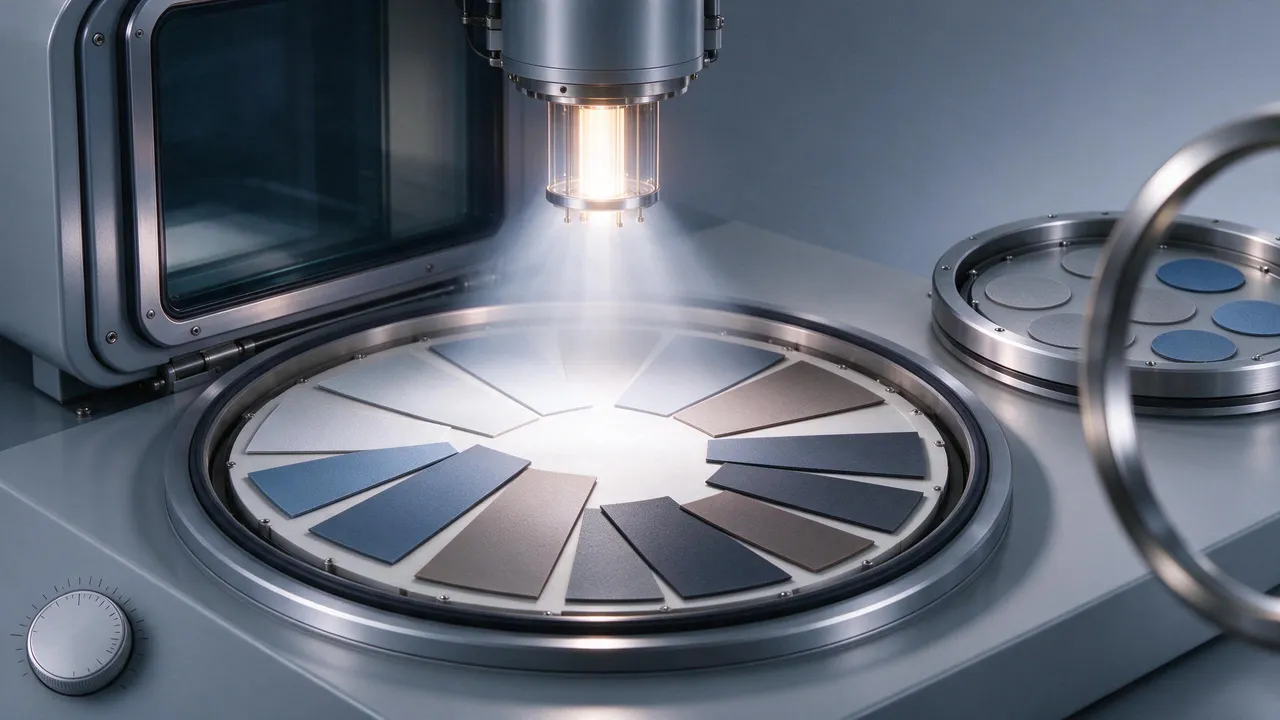
Short answer: Assess color PPF weatherfastness on the finished film, including the specific pigment grade, TPU, topcoat, additives and exposure. Organic/inorganic labels or light, dark and vivid shades do not establish service life. For wholesale or OEM qualification, compare the same shade and construction under agreed conditions and document acceptable color and surface changes.
Color PPF needs an agreed appearance as well as paint protection. A distributor should seek evidence for the shade and construction actually offered, rather than a pigment-family claim. Review hue, gloss and surface condition together, keeping measured aging results separate from commercial warranty terms.
This purchasing guide explains how to compare pigment information, weathering reports and color measurements for color PPF. Its tables organize questions for the selected series, shade and destination market.
On this page
- 1. Organic and inorganic pigments
- 2. Weathering grades and color change
- 3. Metallic and pearlescent appearance
- 4. Dark and vivid shades
- 5. Coatings and stabilizers as a system
- 6. Pigment types and purchasing checks
- 7. Aging tests and acceptance criteria
- 8. Color families and destination climate
- 9. FAQ
- 10. Discuss your material requirements
Organic and inorganic pigments
Organic and inorganic are broad chemical families, not universal durability rankings. Grades within either family can behave differently. Some high-performance organic grades offer strong lightfastness and weatherfastness; for background, see Sun Chemical’s automotive-coating quinacridone pigment overview covering red, violet and magenta shades. This supplier information does not identify a CHISI formulation. Ask what grade information or finished-film durability evidence is available for the ordered SKU. Our related guides cover PPF yellowing and UV stabilizers.
Weathering grades and color change
A weathering report concerns a defined specimen and exposure. Record the series, shade, batch, backing, method and duration, then compare appearance before and after exposure. A pigment datasheet does not characterize every layer of a finished PPF. Compare reports only when methods and specimens make that meaningful; laboratory hours do not automatically translate into years outdoors.
Metallic and pearlescent appearance
Metallic and pearlescent effects depend on the effect-pigment grade, orientation and surrounding film system. Changes in color, sparkle or viewing-angle appearance can have several causes, including production variation and surface changes. Appearance alone does not establish oxidation or delamination. Compare retained samples and batches under consistent viewing and measurement conditions. Our color-matching guide explains why appearance and batch consistency belong in the same review.
Dark and vivid shades
Color names do not establish a failure order. A vivid shade may use a durable pigment grade, while a neutral shade can still show coating or film changes. For hot or sunny markets, seek evidence for the actual finished shade rather than rejecting a whole color family. Consider substrate, exposure, care and use when agreeing requirements, without turning those factors into unsupported lifetime claims.
Coatings and stabilizers as a system
Assess pigment, TPU, topcoat and additives as one construction. A raw-material grade or coating name does not replace finished-film evidence. Ask what specimen was tested, whether it matches the order and which claims the report supports. Review OEM changes to shade or construction before carrying a previous result forward.
Pigment types and purchasing checks
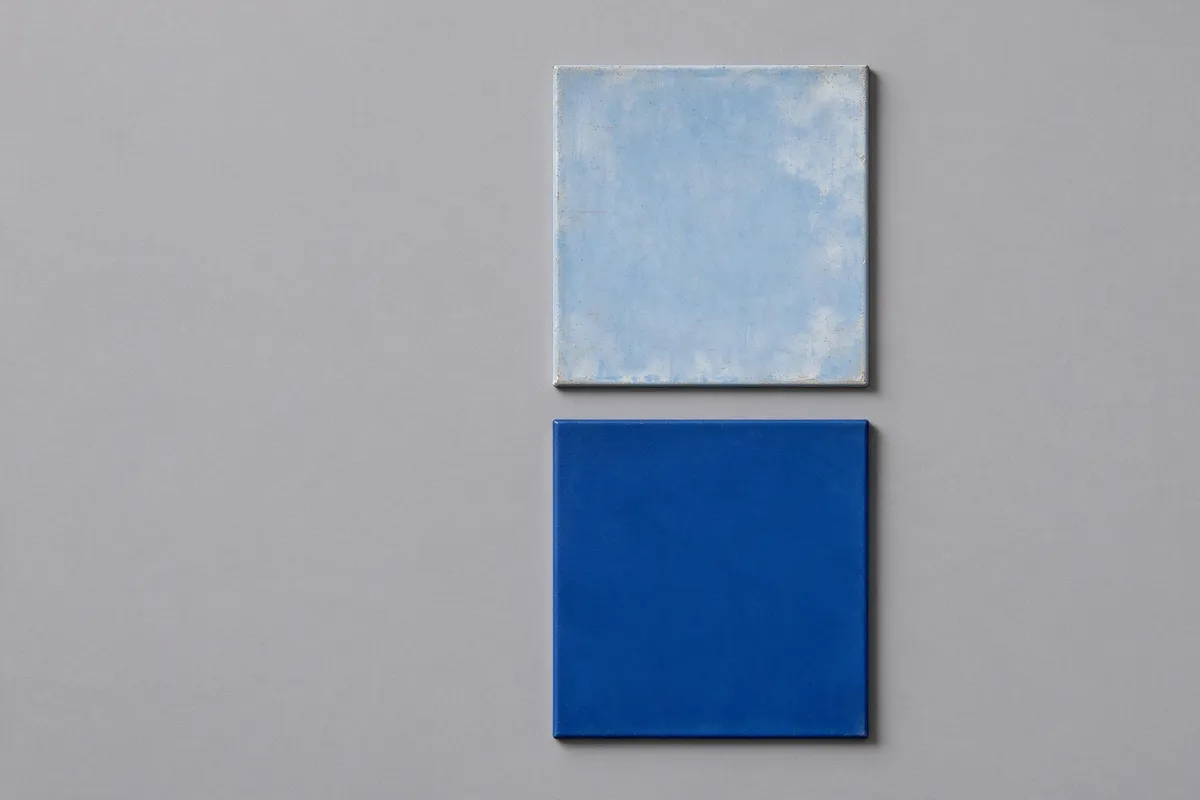
Use these questions to qualify the selected color system. Check information for the specific grade and film in the order.
| Pigment type | Information to request | Purchasing check |
|---|---|---|
| Inorganic pigment grade | Grade-specific weathering evidence | Check suitability in the proposed film construction |
| High-performance organic pigment | Grade information and finished-film results | Do not equate vivid color with poor durability |
| Metallic or pearlescent effect | Appearance and batch-comparison data | Agree viewing conditions and acceptable effect variation |
| Finished color PPF | Traceable sample and exposure report | Qualify the ordered series and shade, beyond raw materials |
Select against documented performance, color requirements and supply consistency. If pigment identity is proprietary, agree what finished-film evidence and change-control information can be supplied.
Aging tests and acceptance criteria
Record exposure methods and operating conditions separately from appearance evaluation. Check each method’s specimen scope and the agreed application before comparing results. ASTM G155 addresses xenon-arc exposure apparatus and conditions. Its name alone establishes neither a finished-film result nor outdoor service life. ASTM D2244 covers color-difference and tolerance calculations within its specimen and measurement scope. Agree the color system, specimen preparation and acceptance tolerance. These references do not certify a CHISI product.
| Metric | What it measures | Example of an agreed criterion |
|---|---|---|
| Delta E (ΔE) | Calculated overall color difference from the reference | An agreed tolerance after defined exposure; confirm with the supplier |
| Delta b (Δb) | Signed change along the yellow-blue coordinate of the stated color system | Agree the permitted change for the selected shade and exposure |
| Gloss retention | Surface-gloss change under a defined measurement method | An agreed retained percentage after defined cycles; confirm with the supplier |
Color families and destination climate
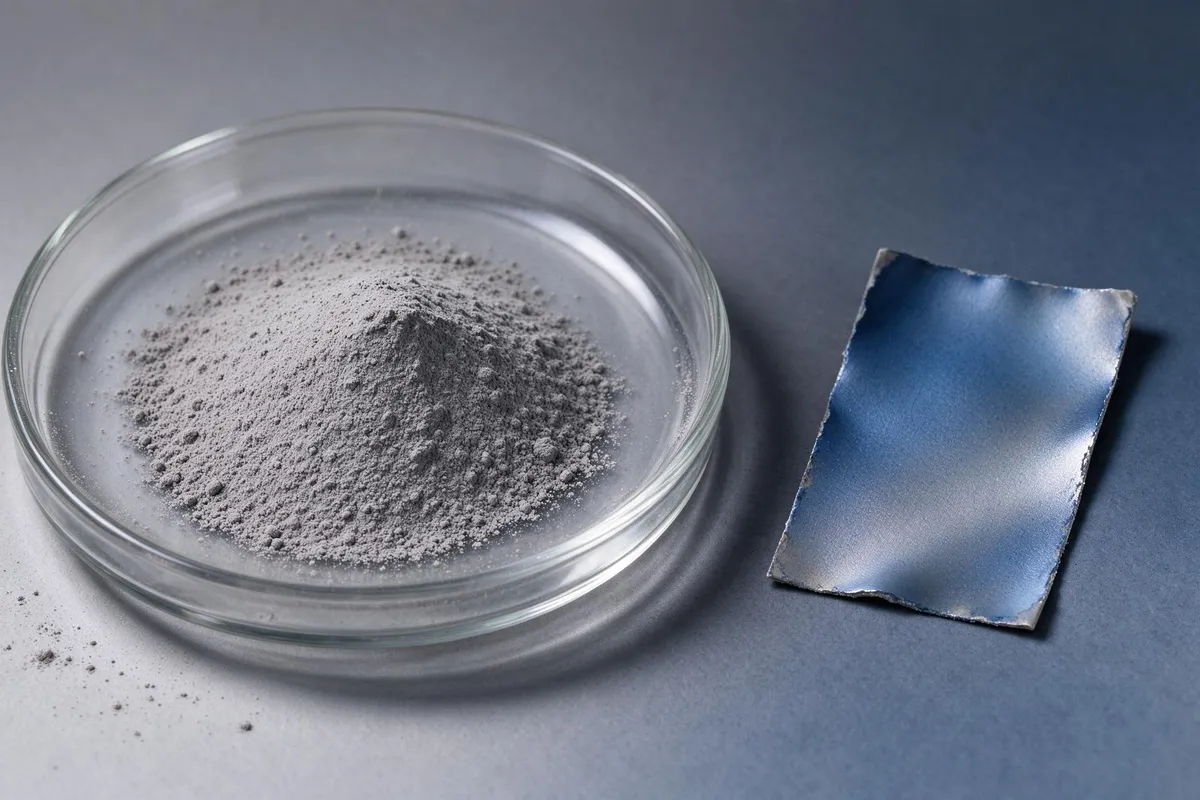
Use destination conditions to determine the evidence needed, not to assign guaranteed durability to a color name. These points are supplier-qualification questions.
| Destination climate | Qualification focus | Caution |
|---|---|---|
| High UV and heat | Evidence for the actual series and shade | Define exposure and appearance criteria |
| Mixed seasons | Review the intended use range | Check the conditions covered by existing reports |
| Cooler or less sunny market | Keep finished-film qualification | Climate alone does not imply unlimited life |
| Coastal or humid market | Review relevant moisture and environmental evidence | Xenon-arc exposure alone does not cover all coastal conditions |
For a CHISI wholesale or OEM/ODM inquiry, specify the destination market, shades, finish, volume and documentation needs. Ask which samples and reports are available for the proposed series. Agree specifications, batch acceptance and warranty terms in writing before ordering.
Frequently asked questions
Do vivid shades always fade faster than white or black?
No. The specific pigment grade and finished film determine the evidence needed. High-performance organic grades can be weatherfast, so neither a color name nor organic/inorganic classification establishes a universal ranking.
Do metallic and pearlescent films need extra checks?
Compare effect appearance and batch consistency under agreed viewing conditions. A visual change alone cannot establish oxidation or delamination as the cause.
Can a topcoat guarantee stable color?
A coating name alone cannot guarantee a result. Review evidence for the complete construction, selected shade and agreed exposure.
How should dark or vivid shades be qualified for hot markets?
Request evidence for the actual series and shade. Agree intended use, exposure and acceptable appearance change instead of inferring a lifetime from color.
What does delta E mean for a color film?
Delta E is a calculated color difference. State the color system and measurement conditions; values from different systems are not automatically interchangeable. Agree the tolerance with the supplier.
How should I specify weathering for color PPF?
Identify series, shade and specimen, then agree the exposure method, conditions, duration, measurement system and acceptance limits. Keep laboratory evidence separate from commercial warranty terms.
Discuss your material requirements
Tell us the destination, color range and wholesale or private-label requirements. CHISI can discuss available color PPF options and qualification documents. Request a representative sample and agree acceptance criteria before a bulk order.
Explore our R&D and factory information, or contact our team with your preferred shades and purchasing requirements. Confirm any requested report’s availability, scope and specimen identity.