
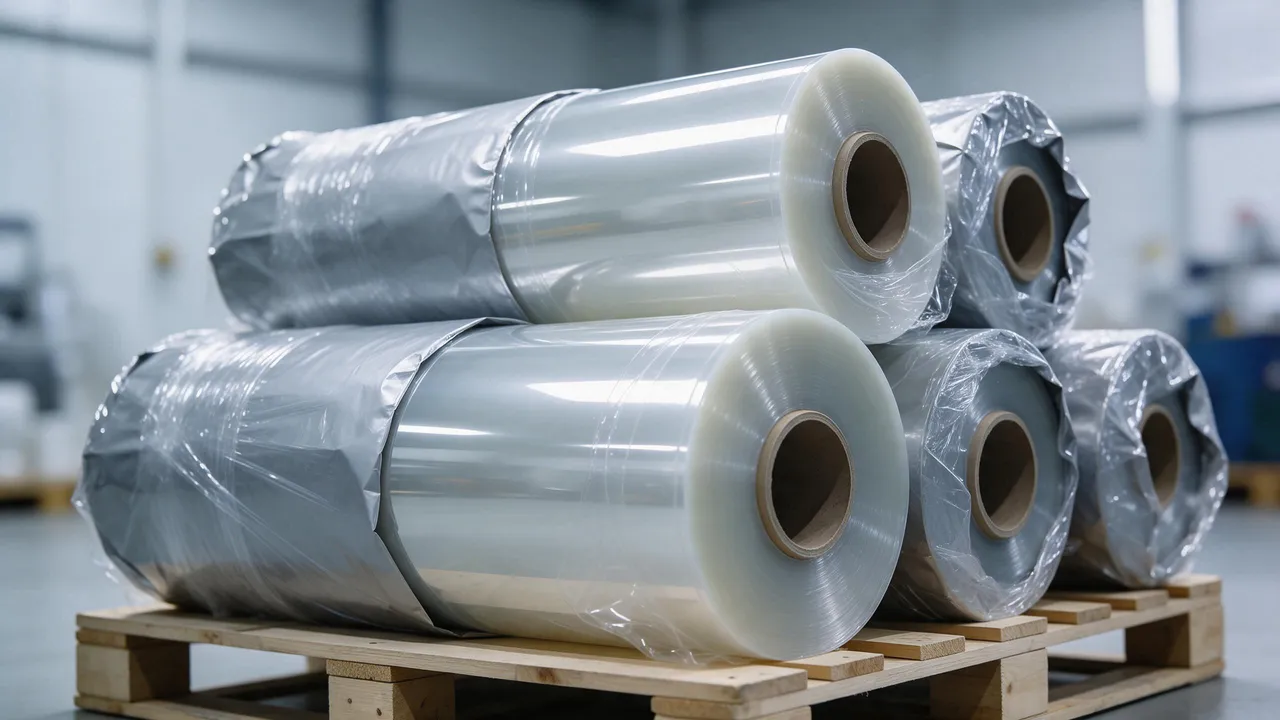
A price per roll is useful only with its specification and delivery basis. Separate the film price, the landed purchase cost and the distributor’s selling economics.
This guide compares cost bases and source pricing examples. For purchasing, also estimate cost per usable protected square foot over a defined assessment period. The figures are historical source references or planning assumptions, not current quotations, measured market averages or guaranteed ROI. Confirm model, finish, quantity, named delivery point, terms and quotation validity before ordering.
Keep purchase cost and selling price distinct
The first two levels describe purchase costs; distributor and installed prices add selling assumptions. Markup on cost is not the same percentage as gross margin on sales.
| Cost or price level | Included items | Typical comparison user |
|---|---|---|
| Factory-gate film price | The roll on the quoted basis; confirm loading and export arrangements separately | Importers and brand owners |
| Landed purchase cost | Film and the applicable transport, import and insurance costs | Distributors comparing supply routes |
| Distributor selling economics | Landed cost plus a planned selling markup | Wholesalers and resellers |
| Installed selling price | Film, installation labor and the shop’s pricing assumptions | Installation customers |
Normalize the cost basis before comparing suppliers. State the chosen Incoterms® rule, version and named port or place, plus the quotation’s inclusions and exclusions. Trade terms allocate specified responsibilities; they are not a complete sale contract or a substitute for the price breakdown.
What affects the price per roll
Review these five specification and evidence areas. Their cost contribution varies by actual formulation, construction, supplier and order; the labels do not establish a universal quality ranking.
- TPU grade and source. Confirm the specified resin grade and its documentation. Do not infer finished-film clarity, durability or a fixed price premium solely from alicyclic chemistry or a supplier name; the complete film and relevant tests matter.
- Topcoat specification. Compare the actual topcoat, self-healing conditions and available evidence. A nano-composite or UV-stabilizer label does not by itself prove higher cost or performance, and does not disclose a CHISI series formulation.
- Thickness. Specify the construction and thickness for the exact model.
- Adhesive system. Compare peel behavior, removal conditions and residue evidence for the actual construction. Neither price nor a “clean removal” label establishes safe removal from every painted surface.
- Applicable testing and documentation. Verify the report, issuer, scope and applicable model. A laboratory report or management-system certificate is not interchangeable with finished-product approval. Do not turn a list of documents into a promise of compliance in every market or a quantified reduction in risk.
They are not current offers, independently verified market comparisons or evidence that either specification is genuine. Compare the actual product and documents.

What goes into a wholesale quote
Compare current quotations by film model, dimensions, finish, warranty, quantity and Incoterm. Record the measured use-layer thickness separately from packaging dimensions.
Request a quotation with model, finish, thickness, quantity and packing. Compare price breaks and shipment costs for the same specification and trade term.
Estimating landed cost
Build a route-specific cost sheet. The four groups below are a planning checklist, not an exhaustive fee schedule or the tax treatment of any destination.
| Cost item | Relevant variables | What to verify |
|---|---|---|
| Sea or air freight | Volume, weight, route and season | Confirm safe packing and compare actual freight offers |
| Import duties and taxes | Destination, classification and applicable measures | Verify the actual classification and charges with the responsible customs adviser or authority |
| Cargo insurance | Insured value, cover, route and exclusions | Confirm who arranges it and what the quoted cover includes |
| Inland and destination handling | Actual route, handling and warehouse requirements | Compare itemized offers at the same named destination |
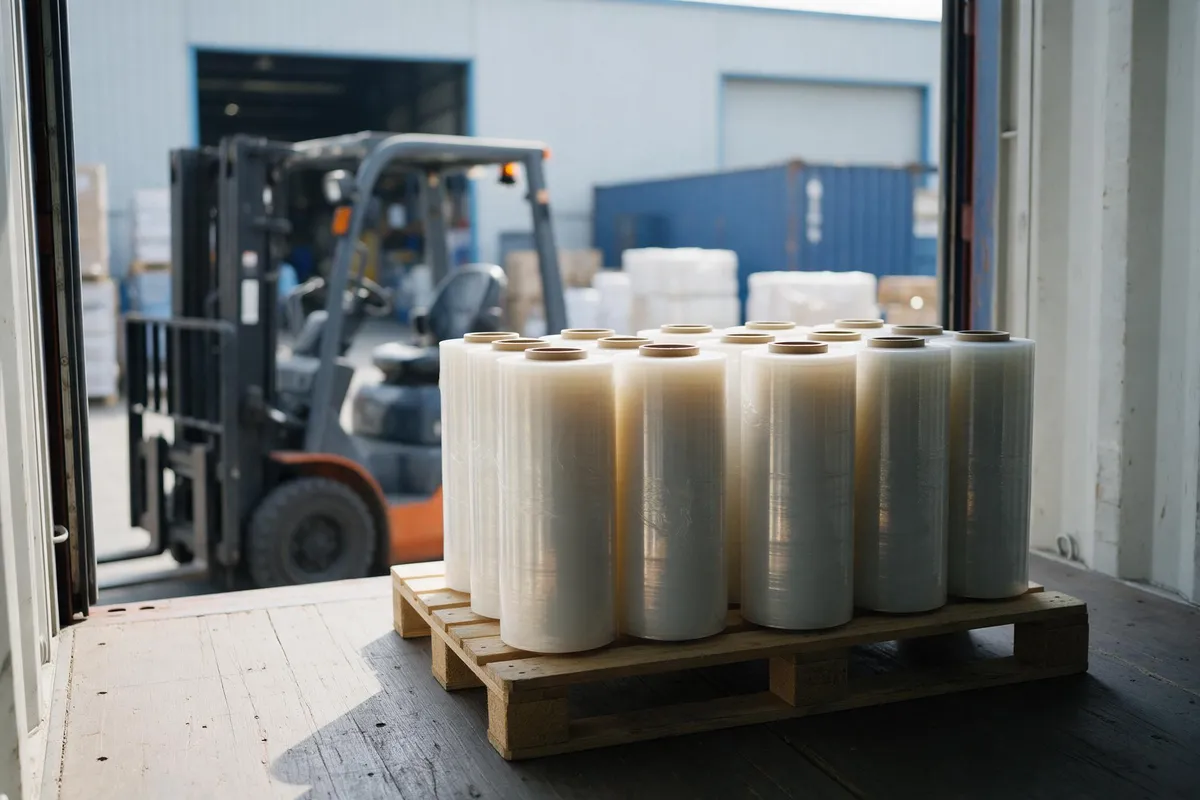
It is not a uniform CHISI packing specification or evidence for the missing unit in other product tables. Obtain the actual packing list and freight calculation; density changes must preserve handling and product protection.
Trade terms and the cost basis
Select a rule suitable for the transport and name its place and version. FOB, CFR and CIF concern sea or inland-waterway transport; their risk point differs from the destination cost point. DAP and DDP also require precise destination arrangements. The table is a brief comparison, not the complete rules or a current CHISI service offer.
| Rule | Seller’s main delivery/cost scope | Buyer’s points to check | Quotation point to specify |
|---|---|---|---|
| FOB | Delivery on board at the named port of shipment | Main carriage and applicable insurance/import arrangements | Name the shipment port and confirm suitability for the actual transport |
| CIF / CFR | Freight to the named destination port; CIF also requires seller-arranged insurance | Risk transfers on board at shipment; check import, onward costs and cover | Specify CIF or CFR separately, not one interchangeable insurance basis |
| DAP | To the named place, on the arriving vehicle ready for unloading | Import formalities and duties/taxes; confirm unloading arrangements | Specify the destination and import responsibilities |
| DDP | To the named destination, import-cleared and ready for unloading | Check unloading, agreed exceptions and the seller’s ability to perform import clearance | Identify the exact destination and all included charges; not “no buyer obligations” |
Compare itemized offers for the same quantity and destination. An FOB/DDP difference is not a universal percentage, and its size alone does not prove a quote is realistic or dishonest. Check transport mode, clearance feasibility, taxes, handling and exclusions with the relevant providers.
Assess usable-area cost before projecting returns
Cost per protected square foot can include film, usable yield, installation rework and agreed claim costs over a defined period. This is a cost measure, not a complete ROI calculation: sales revenue, operating costs and invested capital require separate assumptions.
| Factor | What to record | What to record | Possible cost effect — verify with records |
|---|---|---|---|
| Usable yield per roll | Build the estimate from current product quotations, equipment and labor costs, material waste and the costs for your shipping route. | Build the estimate from current product quotations, equipment and labor costs, material waste and the costs for your shipping route. | Less usable area increases calculated cost per ft², all else equal |
| Installation failure rate | Assumed higher, not an observed price-tier rate | Assumed lower, not an observed price-tier rate | Possible labor and material loss |
| Warranty claim rate | Assumed higher; verify actual data | Assumed lower; verify actual data | Accepted remedies can add cost; not every complaint requires payment |
| Retention of self-healing behavior | Build the estimate from current product quotations, equipment and labor costs, material waste and the costs for your shipping route. | Build the estimate from current product quotations, equipment and labor costs, material waste and the costs for your shipping route. | Assess maintenance and replacement assumptions separately |
| Removal behavior | Build the estimate from current product quotations, equipment and labor costs, material waste and the costs for your shipping route. | Clean removal assumed; verify surface and conditions | Possible rework and service consequences |
State the denominator and avoid counting one failure twice. Run different assumptions; the result need not favor the dearer film and is not a CHISI return guarantee.

Four questions for a usable quotation
Ask about the basis behind the number. These questions support purchasing due diligence; they do not by themselves prove a supplier’s reliability or a transaction outcome.
- “Which delivery rule, named place, version and order quantity does this price cover?” Do not compare a factory-gate single-roll quote with a DDP pallet quote without reconciling all included costs.
- “What peel and removal data applies to this film and surface?” Ask about substrate, conditioning, aging, method and removal limits; do not treat a sales label as universal paint-safety evidence.
- “How is the model’s warranty claim rate documented?” Define period, installed population, complaint versus accepted claim, and missing records. Absence of a published rate alone does not establish product failure or dishonesty.
- “Can we agree a sample and a 90-day installation assessment?” Confirm availability, cost, method and responsibilities. A 90-day trial is a proposed audit period, not proof of a multi-year life or an automatic free-sample entitlement.
Buyer’s pricing checklist
| No. | Item | Purpose |
|---|---|---|
| 1 | Delivery rule, named place and version | Align the included purchase costs |
| 2 | Order quantity and price break | Compare equivalent orders, not single-roll versus pallet headlines |
| 3 | Actual material route and evidence | Identify the specified construction, not a name-based quality ranking |
| 4 | Exact model thickness and finish | Use model-specific specifications; do not assume a shared mil range |
| 5 | Packing list and pallet configuration | Calculate actual chargeable freight dimensions and weight |
| 6 | Claim records and peel/removal evidence | Document assumptions for comparable cost scenarios |
| 7 | Sample and assessment terms | Agree how the trial informs a later order |
Frequently asked questions
How much does a PPF roll cost?
Roll pricing varies by model, finish, roll size and order quantity. Request a current quote for the exact configuration and destination.
How does landed cost differ from the factory-gate price?
Landed cost includes the applicable route’s transport, import, insurance and handling costs as defined in the comparison. Itemize actual inclusions and avoid double-counting charges already in the offer.
Is a cheaper roll necessarily more costly over time?
No. Usable yield, rework and accepted claim costs can change the comparison, but neither price tier proves the outcome. Use documented product data and consistent assumptions over a defined period; distinguish a cost-per-area estimate from a full ROI forecast.
How does order quantity affect the quotation?
Request actual quantity breaks for the specific order. Single-roll, ten-roll and roughly 54-roll pallet examples are not uniform discount or packing commitments. Include storage, financing, handling and freight assumptions before choosing a larger order.
How should supplier quotations be compared?
Align model, material route, thickness, finish, quantity, delivery rule/version and named place. Compare itemized purchase cost, then test usable-area and claim-cost assumptions separately. A missing cost is not a saving, and a higher price does not by itself prove better value.
A practical comparison rule
Treat price per roll as one input. Compare equivalent specifications and delivery bases, then model usable-area costs with explicit assumptions. Choose on the evidence and the actual offer, without promising that either the cheapest or the dearest film produces the best return.
Suggested next step
For model-specific specifications and a current quotation, review Type K, Type Band Type R , then request the exact delivery rule, named place, quantity break and validity period. For supplier assessment, see how to choose a PPF manufacturer.
References and scope
- CHISI source pricing structure for Type K, Type B and Type R. Historical model, thickness and quantity examples are not current quotations or uniform family specifications; use the current model documents and offer.
- CHISI source packing, delivery and sample information requires the actual order basis. Incoterms® descriptions here were checked against ICC’s official 2020 guidance; they are summaries, not the complete rules or market-specific legal advice.