
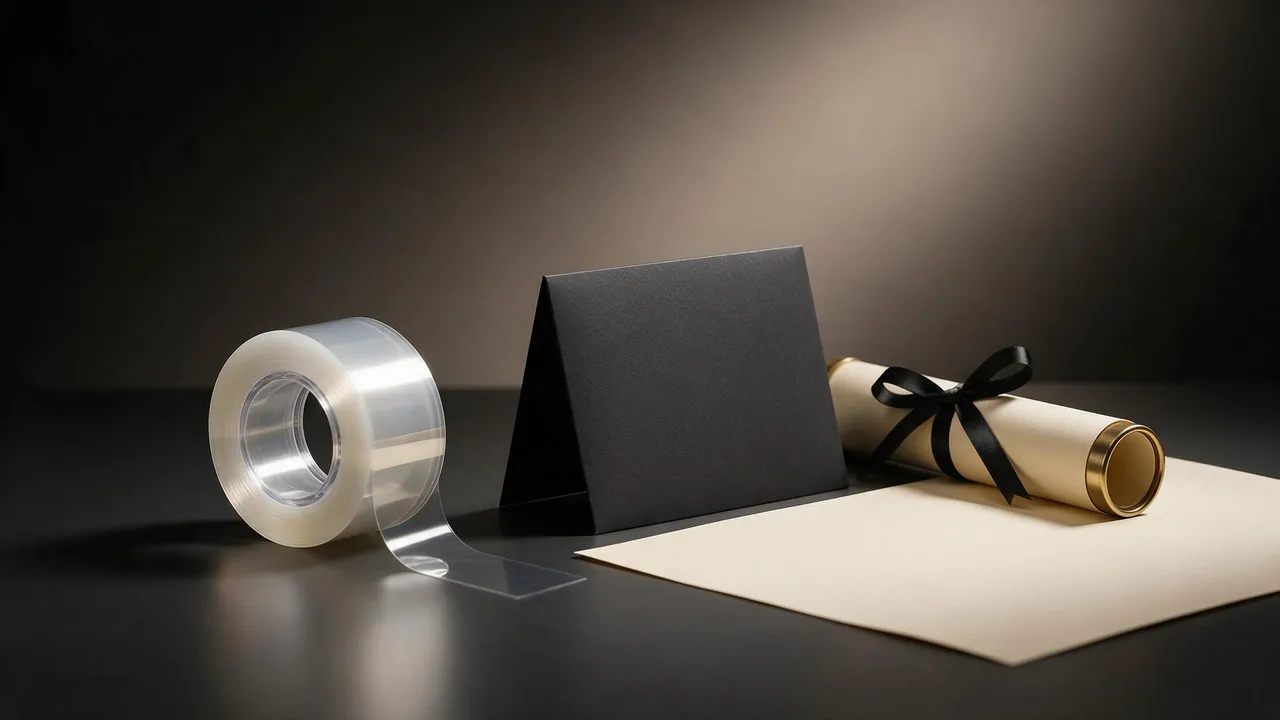
A PPF warranty program needs clear product-specific terms, workable installation guidance and traceable records. These support investigation; they do not make claims rare, cheap or impossible. A “10-year warranty” is a defined commercial coverage period, not proof of every film’s service life or a promise that every claim will be paid.
This guide outlines purchasing and service-process questions: duration, coverage, registration and claim handling. CHISI’s confirmed series statements remain model-specific; exact market terms and remedies require the applicable documents. This is not a ready-to-use warranty contract, a claim-proof guarantee or a statement of local legal rights.
Set warranty duration by model and applicable terms
Do not apply one headline duration to all products. Warranty coverage and expected service life are different: chemistry is only part of performance, alongside construction, exposure, installation and use. Publish the model-specific duration with its actual scope instead of treating a material name as a lifetime test.
| Series reference | Confirmed material description | What to record | Scope to confirm |
|---|---|---|---|
| Type K clear PPF | Covestro TPU; nano-ceramic topcoat | 5 years for the applicable Type K models | Use the actual model, finish, market and terms; thickness is model-specific |
| Type B clear PPF | BASF Elastollan TPU; nano-silica topcoat | 7 years for the applicable Type B models | Do not infer coverage or finish-specific gloss from the family name |
| Type R clear PPF | Lubrizol TPU; nano-graphene topcoat | 10 years for the applicable Type R models | Confirm the model and terms, not a universal durability ranking |
| RCX color PPF | Lubrizol TPU; nano-graphene | 5 years for the applicable RCX products | Finished-product warranty; not the material’s “over 10 years” statement |
| GCX color PPF | Covestro TPU; nano-silica | Up to 3 years; confirm the actual GCX product and terms | Do not transfer RCX’s 5-year term or graphene description to GCX |
Publish an understandable model-to-terms mapping. A longer or shorter duration is not by itself evidence of performance, cost or customer value. Ensure dealers can explain the actual covered events, limits and process without promising more than the applicable documents.
Five investigation areas, not an exhaustive diagnosis
These categories help structure an investigation. One appearance can have several causes, and several mechanisms can coexist. Do not label every complaint as a material defect or an installation error before examining the product, records and exposure.
- Yellowing. Review the full construction, exposure and measured color change rather than diagnose aromatic TPU from appearance alone. For background, see why PPF turns yellow.
- Hydrolysis and haze. Investigate moisture, temperature, formulation and retained properties; haze alone is not proof of hydrolysis. Keep CHISI’s confirmed no-hydrolysis wording specific to the applicable Type B models, not all TPU or PCL. For general material context, see polycaprolactone and hydrolysis resistance.
- Lifting and edge failure. Check edge geometry, contamination, substrate, product compatibility, application conditions and aging. A lifted edge alone does not establish installer fault or exclude a material issue.
- Bubbles and blisters. Investigate trapped moisture or air, adhesive contact, application conditions and product condition. Do not promise one cause or one remedy from a photograph alone.
- Staining and discoloration. Record contaminants, cleaning products, exposure and maintenance alongside the film condition. These are investigation variables, not an automatic environmental-damage exclusion.
Document the investigation before deciding on coverage under the applicable terms. Neither accepting every bubble complaint as a defect nor assuming the customer is exploiting the program is an evidence-based process. The records should support a reasoned outcome, not a preset approval or rejection.
Define coverage and exclusions in the actual terms
Confirm model, market, scope, evidence and applicable terms before use; obtain appropriate review for the intended market.
| Potential coverage topic — agreement required | Potential exclusion topic — agreement required |
|---|---|
| Yellowing beyond a defined color-change limit, assessed using a specified method | Accident, stone-impact or abrasion damage: define scope, not blanket assumptions |
| Delamination or blistering: investigate cause and applicable coverage | Installation-related damage: define the requirements and evidence |
| Adhesive failure under defined use and test conditions | Chemical damage: identify the product, exposure and actual exclusion |
| Cracking or haze: document material and other possible causes | Unaddressed contamination: define maintenance duties and scope |
| Color change in color PPF: define the metric and tolerance | Wear and cosmetic marks: describe the actual limits |
A measurable criterion helps consistent assessment; it is not automatic coverage or payment approval. Define the color-difference metric, baseline, instrument, method, exposure and uncertainty before use; Δb is not the same as total ΔE.

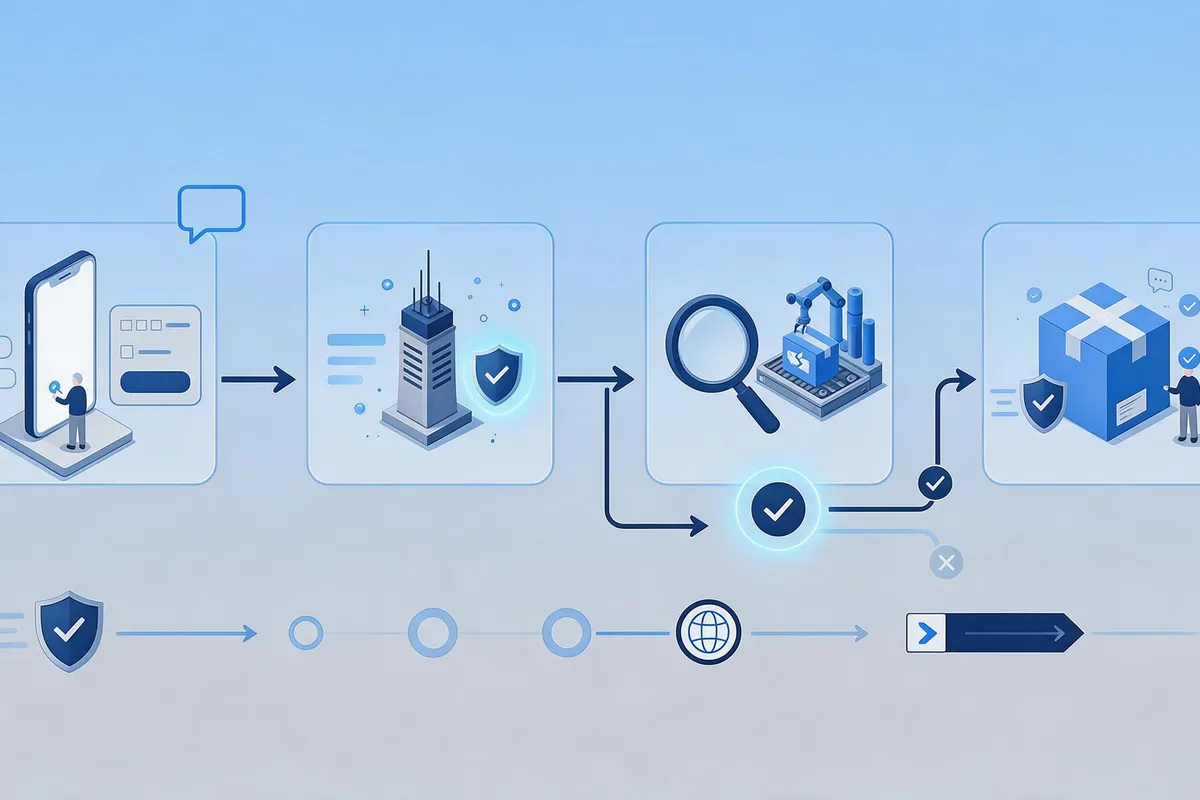
Electronic registration records
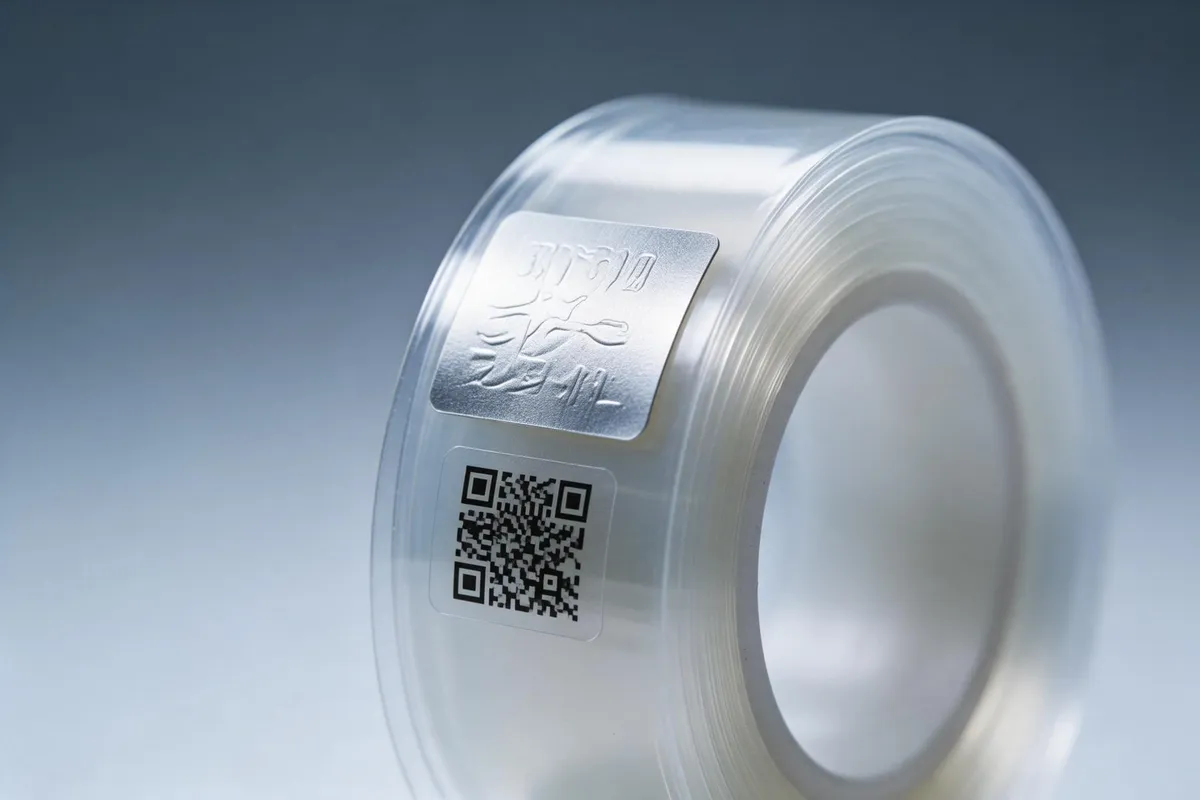
CHISI’s online electronic warranty service applies to CHISI products outside OEM/ODM projects. Its main process requires a valid serial number, activation, installation information and one identified user in the product traceability system. The period starts at first installation, and registration is required within one month after installation for this commercial warranty process.
For a CHISI electronic warranty, record the product serial number, activation and installation details in the warranty system. Use the matching product record and applicable terms when assessing a claim.
Write a clear summary that agrees with the full terms
Dealers need an accurate plain-language explanation, with access to the complete applicable terms. One sentence can introduce the program but cannot replace its limits, exclusions, process or necessary market review.
A useful summary answers three questions, using the actual terms: Who is covered? CHISI’s commercial warranty is not transferable with the vehicle or product. The purchasing customer, distributor or installer consolidates claims; the unique-user record is part of the main registration process. Apply the terms for the actual product rather than treating a source checklist as a complete contract. What is covered? State the actual covered events, conditions and evidence; yellowing, delamination and adhesive failure are discussion topics, not automatic coverage for every series. For how long? Use the model-specific duration starting at first installation. Registration is required within one month after installation for CHISI’s commercial process, and the warranty is not transferable with the vehicle or product. Other series follow their applicable product terms; this does not promise coverage for every defect or situation.
Avoid both an unclear summary and a marketing promise that exceeds the actual program. Write a readable outline and reconcile it with the complete terms, product evidence and intended market. A short explanation does not replace appropriate review or decide a dispute.
Build a documented claim process
Agree responsibilities and the actual terms; the list does not promise payment, a particular response time or that every case can be resolved in five actions.
- Record the claim with relevant photographs, product or roll ID and available installation records, according to the agreed process.
- Investigate possible causes using a consistent checklist for formulation, moisture, installation, contamination and damage, without treating the list as a diagnosis.
- Check the relevant criterion against the actual terms and agreed method. ΔE, affected area or adhesion are possible subjects, not interchangeable measures or universal CHISI thresholds.
- Decide and document the reasoned outcome under the applicable program. Replacement, credit or refusal are possible outcomes, not pre-approved remedies or an automatic rejection list.
- Use the findings for improvement in product review, instructions or installer training, and check whether the change addresses the recorded cause.
Review patterns by model, batch, installer and exposure with a defined denominator and period. Records can reveal issues worth investigating, but a correlation does not by itself prove cause, fault or coverage.
Product and installation controls
Use these three operational controls as a checklist, not a quantified promise of fewer claims or a guarantee that wording has no value.
Specify before selling. Confirm the selected product’s use conditions, climate evidence and warranty scope. A five-year duration or entry-category label does not by itself predict failure in high UV; do not promise either inevitable claims or universal suitability.
Provide model-specific installation guidance. Use the exact product instructions for wet/dry application, temperature, edges and curing. RCX installation or washing instructions do not apply automatically to other series; do not classify all lifting as installer fault.
Assess samples before scaling. Agree its sampling, exposure, records and decisions. It is not a substitute for relevant aging evidence, a multi-year lifetime test or a guaranteed claim-rate reduction.
Warranty-program checklist
| No. | Item | Evidence to confirm |
|---|---|---|
| 1 | Warranty duration by actual model | Model, market and applicable terms; material route alone is insufficient |
| 2 | Covered events | Defined criteria, scope and assessment methods |
| 3 | Exclusions | Actual applicable list, explained with accurate examples |
| 4 | Registration records | Product ID, installation details, installer and model; verify the actual system |
| 5 | Claim workflow | Agreed responsibilities and documented investigation, decision and feedback |
| 6 | Cause and trend review | For example, a monthly review; define population, period and record quality |
| 7 | Installation requirements | Exact product method, conditions, edges, training and limits |
Frequently asked questions
How should PPF warranty duration be specified?
Use the actual model and applicable terms. CHISI references are Type K 5 years, Type B 7 years, Type R 10 years and RCX color PPF 5 years; GCX is up to 3 years. These are not one common warranty for all films, nor a full coverage document or proof of outdoor lifetime.
Does the warranty cover installation-related damage?
Check the applicable terms and investigate the cause. This article does not define universal CHISI exclusions, automatic payment or automatic refusal. Material, application and exposure can interact; the stated duration alone does not decide coverage.
What does electronic warranty registration do?
For CHISI products outside OEM/ODM, the main electronic warranty process links a valid serial number, activation, installation information and one identified user. Register in the CHISI product traceability system within one month after installation. Registration records alone do not constitute automatic approval of a claim.
How should an uncovered claim be explained?
Unregistered or late-registered cases cannot proceed through CHISI’s commercial after-sales process. An unregistered customer must provide installation evidence, the user’s payment evidence and the invoice for checking; this is not automatic exception approval or a later start date. The purchasing customer or distributor coordinates record review with the CHISI business contact.
How can a distributor improve claim handling and prevention?
Specify the product for the use, provide model-specific installation guidance and assess samples with documented conditions. Review causes and trends. These controls support improvement but do not establish a measured reduction or guarantee that most claims can be prevented before sale.
A practical program rule
Align model-specific terms, installation guidance and traceable records. Assess each claim on the relevant evidence and process, then use findings for improvement. Clear documentation can support trust; it does not make the program claim-proof or promise a financial result.
Suggested next step
For product-specific discussions, review Type B and Type R , then ask which current terms and relevant aging evidence apply to the exact model. For supplier evaluation, see how to choose a PPF manufacturer and PPF wholesale pricing.
References and scope
- CHISI product and warranty documentation: Type K, Type B, Type R, RCX and GCX retain their distinct durations and scopes. Electronic-warranty support is a service category; the actual delivery, platform and terms require the applicable project documents.
- Treat the workflow as a discussion framework, not a verified claim-rate study, a legal template or a promise that CHISI handles every case in this way.