
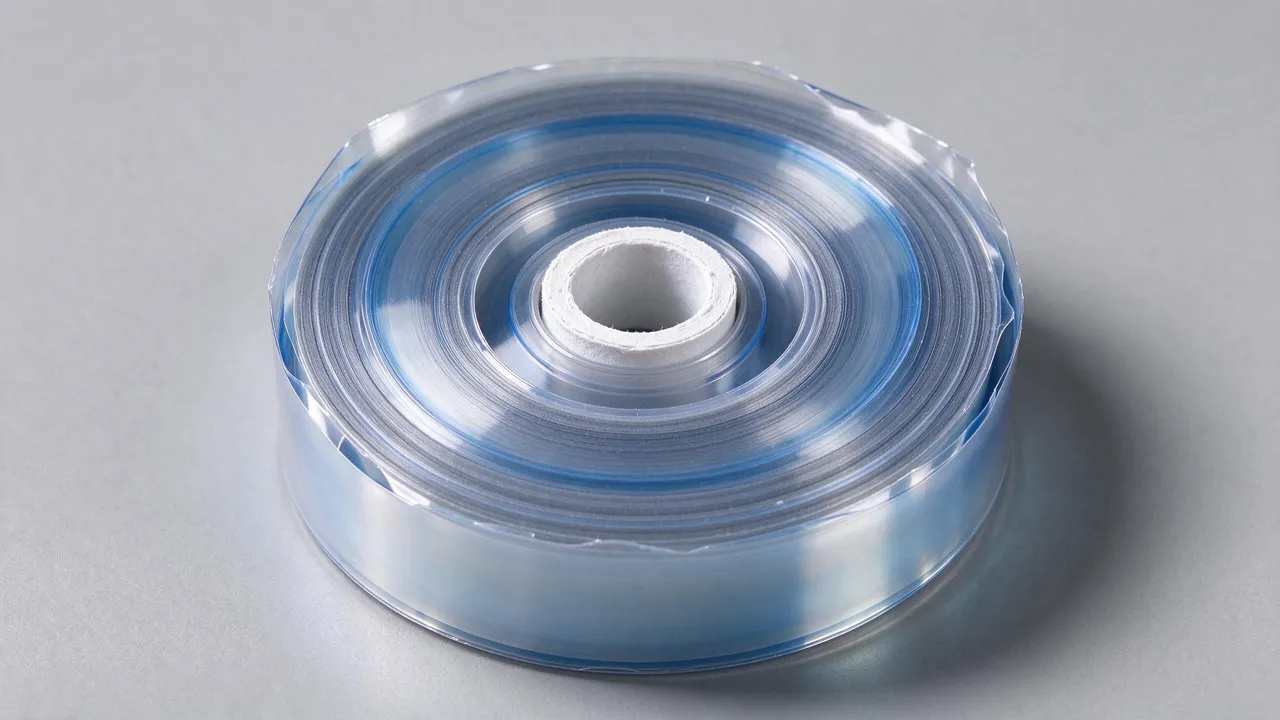
Short answer: Color can be introduced into a TPU body, a separate layer or a printed/laminated structure. These are examples, not an exhaustive classification or disclosure of CHISI formulas. Specify the actual layer stack, finish, opacity and test conditions; construction names alone do not establish durability, cost or scratch protection.
Two films with a similar shade can use different materials and interfaces. Ask for the actual construction rather than inferring it from gloss, matte or a color name. Compare samples under defined conditions before treating one route as suitable for an application.
This guide compares construction questions, black and white appearance, effect colors and incoming inspection. The tables are qualitative examples, not CHISI product test results, a cost ranking or evidence that a particular SKU uses one route.
On this page
Defining the color layer stack
A color PPF stack combines the film body, color-bearing layer, topcoat, adhesive and removable protection. The color layer and its thickness influence hiding and appearance.
A similar appearance does not establish the same layer stack or resistance to wear. Color throughout one layer does not make every scratch invisible, and a printed layer is not necessarily exposed at the surface. Confirm the supplied construction and relevant tests; the color-matching guide addresses shade consistency, which is a separate question from construction.
Three example constructions
Examples include color dispersed in a polymer layer, a separate color-bearing layer and printing or lamination. These routes can overlap and do not identify the supplier’s exact process. Confirm every layer and interface rather than assuming only three possible stacks or a fixed route for effect colors.
| Example construction | Opacity questions | Weathering questions | Cost and changeover questions |
|---|---|---|---|
| Color within the TPU body | Confirm dispersion, thickness and hiding on the intended substrate | Assess the complete film; other interfaces still exist | Request actual run size, changeover and cost terms |
| Separate color layer | Check color-layer thickness, uniformity and substrate influence | Check each interface and the whole-film exposure result | Do not assume a new color needs no requalification |
| Printed or laminated structure | Confirm actual print, backing and optical stack | Surface exposure depends on the actual protective layers | Confirm design changes, registration and production costs |
Compare color PPF by the complete layer stack and finished-film tests. Use the specified wear, adhesion and weathering results to choose a construction for the intended application.
Color within the TPU body
Colorants may be dispersed within a TPU layer, subject to compatibility and processing requirements. This does not prove perfectly uniform color through every section, invisible scuffs or the absence of interfaces elsewhere. Validate the actual film and its appearance after the relevant use conditions.
For multi-color orders, agree shade-change procedures, minimum production runs and color verification with the supplier.
A separate color layer
A color-bearing layer may sit between other film layers, but the actual order and chemistry require supplier evidence. Keeping a base or coating unchanged does not prove the modified stack needs no requalification. Confirm the complete colored product.
Assess compatibility and adhesion at the relevant interfaces under defined conditions. Haze, bubbles or color change after forming can have several causes and do not independently prove a weak interface. For stabilization context, see the UV stabilizer guide ; a stabilizer name alone does not establish protection of every layer.
Printed and laminated structures
Printing and lamination are possible routes to patterns and effects, not exclusive requirements for metallic, pearl or candy appearances. Confirm the actual process, pigments and protective layers. A design file change may still require production adjustments and product verification.
Do not rank every printed film as more exposed or less durable. Protection, layer order and formulation vary. Request applicable weathering and adhesion evidence for the complete construction rather than inferring performance from the process name.
Assessing black and white
Black and white require shade-specific assessment of hiding, surface appearance and weathering. White pigment is not automatically the cause of yellowing or chalking, and black is not universally immune.
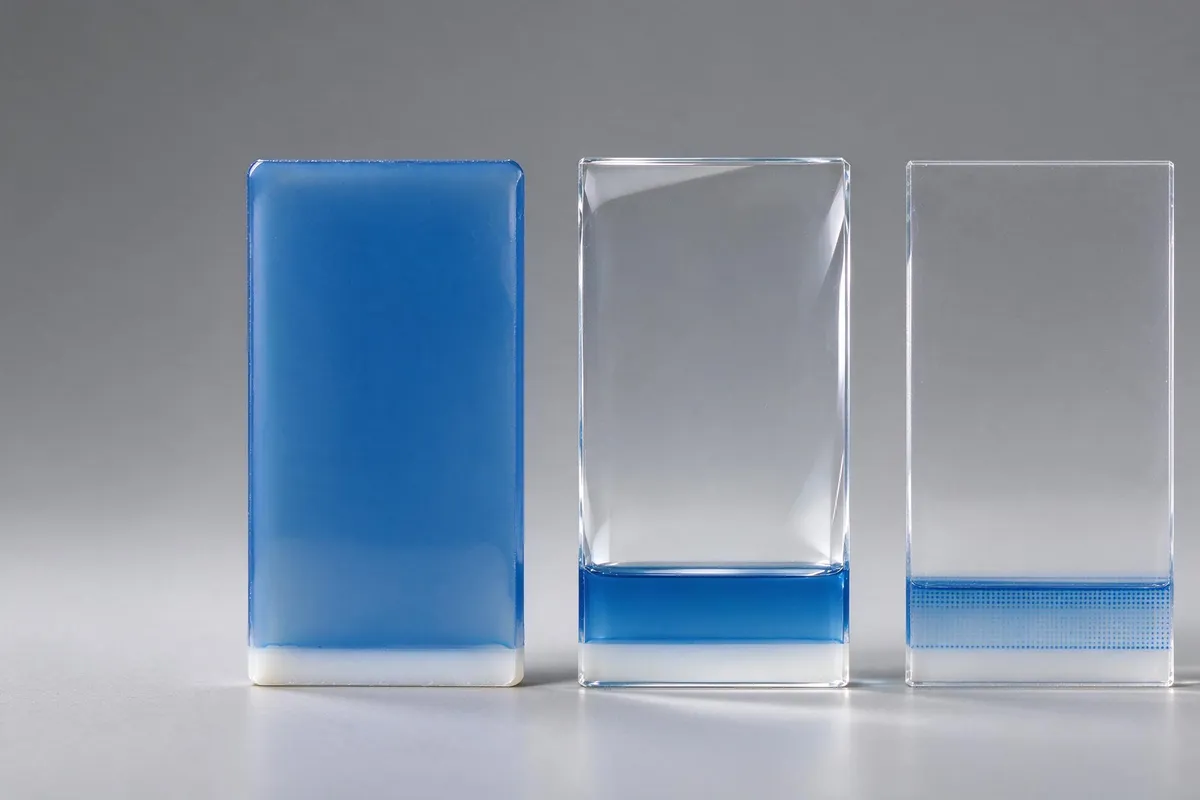
Judge each shade and finish against an agreed master and relevant exposure evidence. Black-versus-white labels alone do not establish defect visibility, opacity or outdoor life for every formulation.
Color families and appearance
Solid, metallic, pearl, candy and matte describe aspects of appearance, not a complete material specification. Different routes may produce similar effects. Specify the target sample, viewing conditions, directionality and finish separately from the layer construction.
| Appearance family | Construction question | Appearance to validate |
|---|---|---|
| Solid color, gloss or matte | Confirm the actual color-bearing layer and finish | Check uniformity and hiding at the specified condition |
| Metallic appearance | Do not infer a printed, laminated or separate-layer route from the name | Assess effect uniformity, direction and viewing geometry |
| Pearlescent appearance | Confirm actual layers and effect system | Assess angle-dependent appearance under defined lighting |
| Candy appearance | Confirm the actual tint, backing and complete stack | Validate depth and substrate influence; no mandatory dark backing |
| Matte appearance | Specify the actual surface and color-layer construction | Do not infer one topcoat or a universal gloss value from “matte” |
Use the actual sample rather than a fixed construction-to-color rule. Effect appearance can vary with lighting, orientation, backing and deformation. A visually similar sample does not establish the same formulation, weathering result or authorization to reproduce an OEM color.
Incoming inspection
Agree checks for color, opacity, relevant interfaces and thickness according to the supplied construction. Clear films can also contain several layers and interfaces; do not assume color automatically adds one specific layer count. These four topics are examples, not a complete acceptance plan.
| Inspection topic | Property to define | Method to agree | Acceptance criteria to agree |
|---|---|---|---|
| Color difference (ΔE) | Approved master, backing, condition and viewing geometry | Suitable instrument or agreed visual assessment for the finish | Define the formula and tolerance; no universally tighter solid-color limit |
| Opacity or hiding | Substrate visibility at the agreed construction and condition | Defined contrast backing, sample thickness and application condition | Agree the result; translucent designs need not meet an opaque-film criterion |
| Relevant interlayer adhesion | Identify the actual layers and failure interface | Agree a method applicable to the layer, substrate and purpose | Define acceptance and failure mode; methods are not interchangeable |
| Thickness | Define total, functional and individual layers as applicable | Use a suitable method and locations; a micrometer does not isolate every layer | Apply agreed tolerances and sampling, distinguishing edge and center |

Define sampling across the width and along the roll where appropriate. A total-thickness reading does not reveal every layer, while a color band can have several causes. Keep the method and results with the lot record; the film-processing comparison provides background, not proof that one route guarantees uniform gauge.
Frequently asked questions
Which construction lasts longest outdoors?
No route name establishes outdoor life. Assess polymer, colorants, coating, adhesive, interfaces and exposure together. Request applicable whole-film weathering evidence. Do not turn a material result or another series’ test into a finished-product guarantee.
How should white and black be compared?
Compare actual shades under agreed hiding, appearance and weathering conditions. White does not universally yellow because it contains an opacifier, and black does not automatically resist every change.
Can a metallic appearance use color within the polymer?
Do not rule a route in or out from “through-pigmented” alone. Effect appearance depends on the actual pigment system, processing and optical stack. Ask for the supplied construction and a sample under defined viewing conditions rather than assuming all metallic films are printed or laminated.
What should be checked in a separate color layer?
Identify its interfaces and request relevant adhesion and whole-film results under defined conditions. Haze or color change alone is not proof of interlayer failure. A color change can require verification even if the base and coating remain nominally the same.
What color difference is acceptable?
Agree the master, color-difference formula, backing, preparation, geometry and tolerance for the actual finish. Effect colors may need several viewing conditions. There is no universal ΔE conversion or tighter limit inferred solely from a solid-color label.
Does matte require a separate construction?
Specify the actual matte surface and layer stack. A matte label does not establish one coating chemistry, gloss range or compatibility with every color route. Confirm the product and do not borrow another series’ gloss measurement.
Is printed film always less durable?
No universal ranking follows from printing. Evaluate the actual protective layers, inks or colorants, adhesive, interfaces and exposure. Request the relevant complete-product evidence rather than comparing route labels or transferring RCX and GCX results.
Discussing a color specification
Define the target shade, finish, intended use and agreed verification before ordering. Discuss possible construction and commercial requirements with the supplier; this article does not promise a custom route for every family or disclose CHISI’s RCX or GCX layer recipes.
For the company and production background, see our R&D and factory information . To discuss the actual evidence, specification and commercial scope for a color or OEM project, contact our team with the intended shades, finishes and applications.