

Quick guide: A fleet PPF program needs a coverage plan, installation capacity, appearance criteria and clear commercial terms. Batch variation, schedule changes and unrecorded rework are risks to manage, not proof that material quality is irrelevant. Confirm the selected film, samples, replenishment arrangements and applicable warranty before committing to a program.
Fleet buyers may assess vehicle availability, consistency and total operating cost alongside appearance. These priorities vary by operator and vehicle duty. Do not assume that every retail film or installation process suits every fleet application.
This guide provides a planning framework for coverage, material use, batch control and contract discussions. Its vehicle counts and area estimates are source examples, not CHISI quotations, guaranteed yield or service commitments. Validate consumption by actual vehicle model and confirm product and warranty terms separately.
On this page
Fleet and retail priorities

Evaluate each program against the operator’s actual needs: vehicle availability, appearance, installation capacity and agreed responsibilities. Fleet use does not itself establish a different material specification or automatic warranty eligibility.
Four useful planning topics are downtime, appearance consistency, batch allocation and billing. Schedule vehicles around operations; agree how samples and later vehicles will be compared; confirm roll allocation over time; and document the charging basis. These are proposed controls, not existing CHISI supply guarantees.
| Factor | Retail example | Fleet example |
|---|---|---|
| Decision priorities | Individual owner preferences | Availability, consistency and cost per vehicle |
| Program size | Track labor time, completed jobs and rework for your own bay and installation team. Use those records to plan capacity and handovers. | Track labor time, completed jobs and rework for your own bay and installation team. Use those records to plan capacity and handovers. |
| Appearance reference | The agreed individual vehicle result | A common agreed reference across vehicles |
| Batch allocation | Confirm for each job | Plan across the program |
| Billing basis | An agreed quotation | Agreed contract or rate schedule |
| Effects of a problem | Appearance and applicable terms | Operational and contractual effects may also matter |
A larger order needs an agreed allocation, schedule and inspection plan; neither fleet nor retail work is governed by this table alone.
Coverage by vehicle duty
Choose coverage after reviewing duty, exposed zones, vehicle condition, product suitability and budget together. A delivery van and a low-mileage car may have different needs; no coverage level guarantees freedom from damage or is automatically wasteful.
Map the zones that need assessment, such as leading edges, lower doors and contact areas. Agree panel coverage and access requirements, then estimate preparation and bay time. Broader coverage may need more capacity; the schedule must be validated rather than assumed.
Area estimates for planning
These are planning estimates for passenger-van/light-commercial scenarios, not film specifications, quotations or verified yields. Validate vehicle dimensions, selected panels, layout losses and recorded consumption; do not extend the figures to all vans or trucks.
| Source duty example | Coverage example to validate | Source area estimate per vehicle |
|---|---|---|
| Light: executive use, low mileage | Front bumper, hood, mirrors and selected door areas | 12–18 m² |
| Medium: service and mixed urban use | Front areas, lower doors, sills and handles | 20–30 m² |
| Heavy: last-mile, off-road or loading scenario | Front areas, rockers, exposed rear zones and pillars | 35–50 m² |
| Mixed fleet | Assess each vehicle class separately | Depends on model and agreed coverage |
Compare the estimates with actual job records and revise pricing assumptions when scope or consumption changes.
Three program risks to track
Track batch appearance, scheduling and rework, while also investigating material, preparation and installation issues. A shade difference, delay or return does not establish one cause or exclude a manufacturing defect. These three examples are not a complete ranking of fleet risks.
Proposed controls include roll allocation and retained samples, scheduling against available capacity, and recording rework by vehicle and job. Use the records to investigate causes and agree corrective action. A written process can support management but cannot guarantee that defects or delays will not occur.
Batch and appearance control
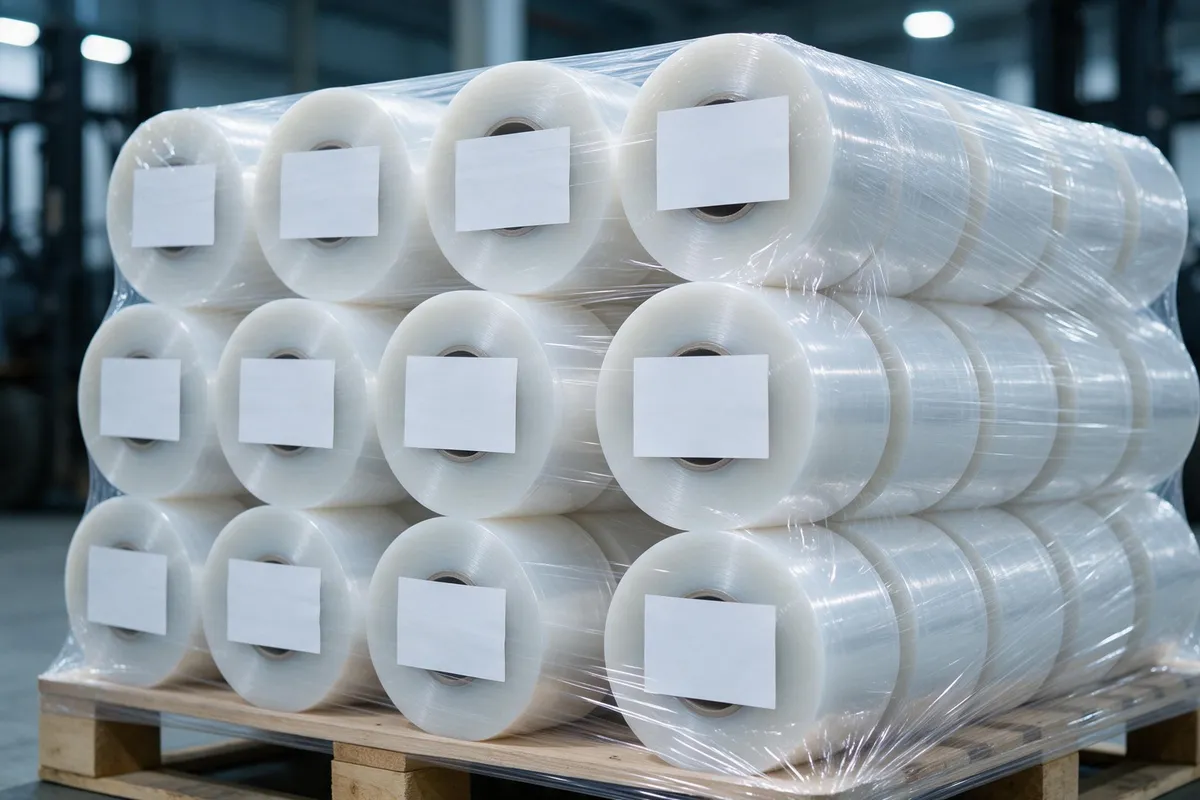
Agree the reference sample, batch identification and comparison conditions before repeated installations. Confirm whether the required quantity can be allocated from one batch, and evaluate later supply against the reference. A retained sample helps investigation but does not settle a claim automatically.
Clear, colored, gloss and matte products all need appropriate appearance checks; do not assume that lack of pigment removes variation. Agree storage and review conditions for retained samples, rather than making a universal promise to keep a roll for the program’s lifetime.
Contract discussion points
The following six topics are a discussion checklist, not a CHISI contract, a legal opinion or a guarantee against disputes. Agree the actual obligations and confirm product-specific warranty terms before signing. Registration, inspection and sample retention must follow the applicable arrangement, not assumptions from this article.
| Discussion topic | Points to agree | Planning purpose |
|---|---|---|
| Retained batch samples | Agree who retains what, where and for how long | Support investigation of appearance or quality concerns |
| Warranty and installation records | Agree necessary vehicle identification and film-batch records | Help identify the installed product and applicable terms |
| Replenishment | Confirm lead time and any agreed repair-stock arrangement | Plan repairs without promising a fixed completion time |
| Rework assessment and responsibility | Define investigation of material, preparation and installation causes | Avoid assigning responsibility from the first visible symptom alone |
| Installation schedule | Agree vehicle access and installation windows | Coordinate with fleet operations |
| Inspection criteria | Agree product, appearance and installation acceptance criteria | Provide a documented basis for assessment |
Written responsibilities and inspection criteria can make discussion clearer, but do not automatically determine liability or remove all ambiguity. Investigate complaints against the evidence and actual agreement; a bubble alone does not establish whether material, preparation or fitting is responsible.
Pricing and replenishment
Build the quotation from agreed coverage, material use, preparation, installation capacity and possible rework. A breakdown of film, labor and replenishment is one option, not a universally better pricing model.
Discuss whether repair pieces can be held with suitable identification and storage, and confirm stock, replenishment and freight terms for the selected product. Stock alone does not guarantee a match, supply continuity or lower total cost.
Daily program records
A job schedule can link each vehicle to its material, batch, preparation and inspection record. Coordinate bay capacity and collect the identifiers needed for the agreed purpose; do not assume every fleet contract requires VIN registration. Inspect against the agreed criteria before handover.
Consistent records can support planning and complaint assessment, but do not guarantee renewal, a matching appearance or delivery on a particular date. For an installation-planning reference, see PPF installation criteria, and discuss the current product and roll options in the OEM and ODM catalog. Confirm each selected model’s dimensions and suitability for the vehicle and coverage plan.
Frequently asked questions
Should every fleet vehicle be fully covered?
Assess duty, exposed zones, vehicle condition and product suitability before choosing partial or full coverage. Neither option is automatically correct or wasteful. Agree a plan for each class; film coverage does not guarantee freedom from damage.
How can fleet appearance be managed consistently?
Agree a physical reference, comparison conditions and batch allocation. Verify the actual rolls and retain samples under agreed conditions. Clear, colored, gloss and matte films all need appropriate checks; matching batch codes alone do not establish an appearance match or decide a claim.
Which fleet-program risks should be tracked?
Batch appearance variation, schedule changes and rework are three source examples. Track them and investigate material, preparation, fitting and operational causes. Do not exclude manufacturing defects or assume a written plan prevents every problem.
How should fleet work be priced?
Agree a quotation based on the actual scope, material use, labor, capacity and replenishment terms. A separate rate schedule and quarterly review are source planning options, not current CHISI prices or a guaranteed margin. Confirm any commercial commitment in the agreement.
What should be agreed about rework?
Define how complaints will be documented, inspected and investigated, including material, preparation and fitting. Agree responsibilities and acceptance criteria without assigning a cause from a bubble alone or treating this checklist as the applicable warranty contract.
How much film is needed for a fleet vehicle?
Measure the actual panels, decide the coverage and plan the cut layout. Use recorded material consumption from comparable vehicles to estimate film for the fleet.
Can repair pieces be stocked instead of full rolls?
Discuss the quantity, identification, storage and availability of repair pieces for the selected product. Confirm replenishment and transport terms.
Does a fleet installation automatically qualify for the standard warranty?
Apply the actual product terms. A fleet or vehicle/batch record alone does not activate warranty coverage. CHISI’s electronic warranty service applies to CHISI products outside OEM/ODM. Its main process requires a valid serial number, activation, installation information and one identified user, with registration within one month after installation. Do not extend this scope to private-label supply.
Next steps
Treat the fleet project as a coordinated plan: agree coverage, references, capacity, commercial terms and rework records. Confirm current product data and supply arrangements rather than assuming that planning alone ensures performance, profit or renewal.
For installation-planning considerations, see PPF installation criteria ; review warranty discussion points in the PPF warranty program guide. For fleet care planning, see PPF care and maintenance, and discuss film ranges and OEM/ODM options through the OEM and ODM catalog. To discuss a plan for your vehicles, contact our team.