
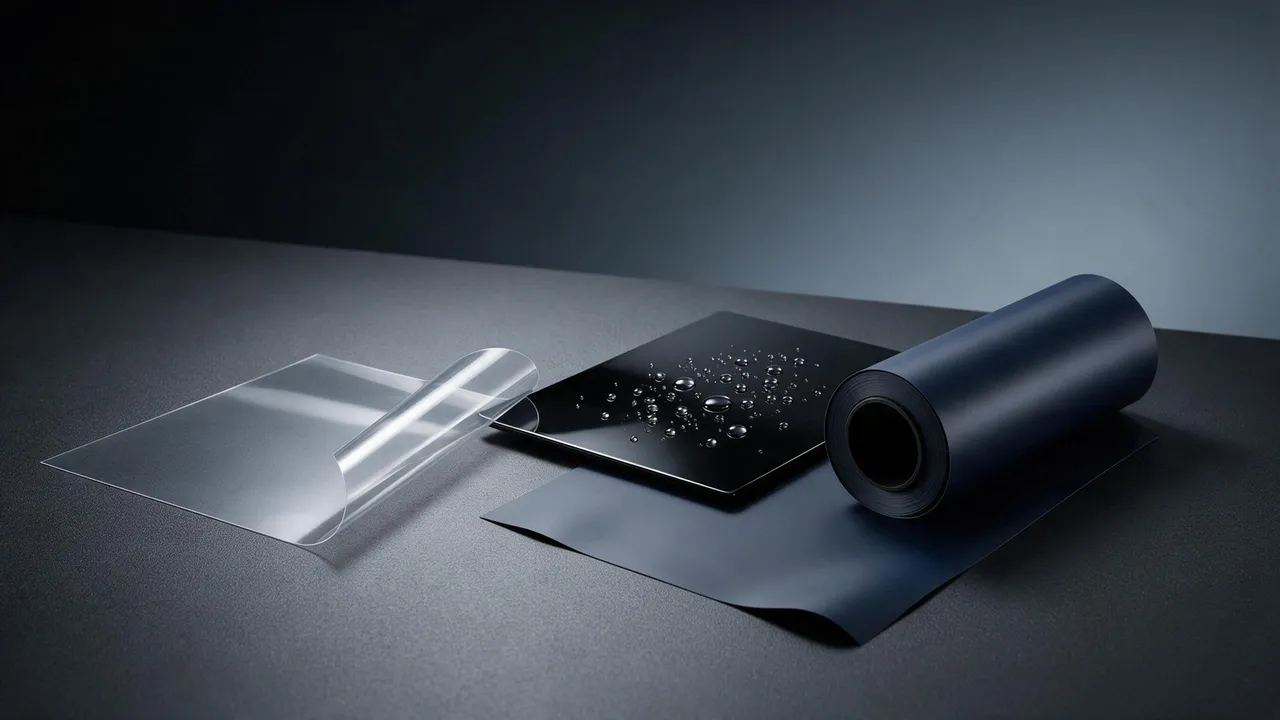
Short answer: PPF, ceramic coating and vinyl wrap serve different purposes. PPF is a sacrificial film used for physical paint protection; a ceramic coating is a thin surface treatment; vinyl wrap primarily changes appearance. Compare the exact product and application rather than treating them as interchangeable or promising the same protection.
“PPF or ceramic?” needs a clearer question: physical protection, surface maintenance or appearance change? Film thickness and a cured coating layer are not equivalent measures of performance. Price per car alone cannot resolve the choice.
Choose PPF for film-based paint protection, ceramic coating for surface care and vinyl wrap for color or graphics. Match each product to the customer’s priorities, installation and maintenance plan.
On this page
What each product is
TPU paint protection film adds a protective layer over the paint. Its topcoat and adhesive influence surface care and installation.
Ceramic coating is applied as a liquid and cures on the surface. Choose the coating for the required water behavior, finish and maintenance.
Vinyl wrap changes the vehicle’s color, texture or graphics. Match the film and adhesive to the panel shape and removal requirements.
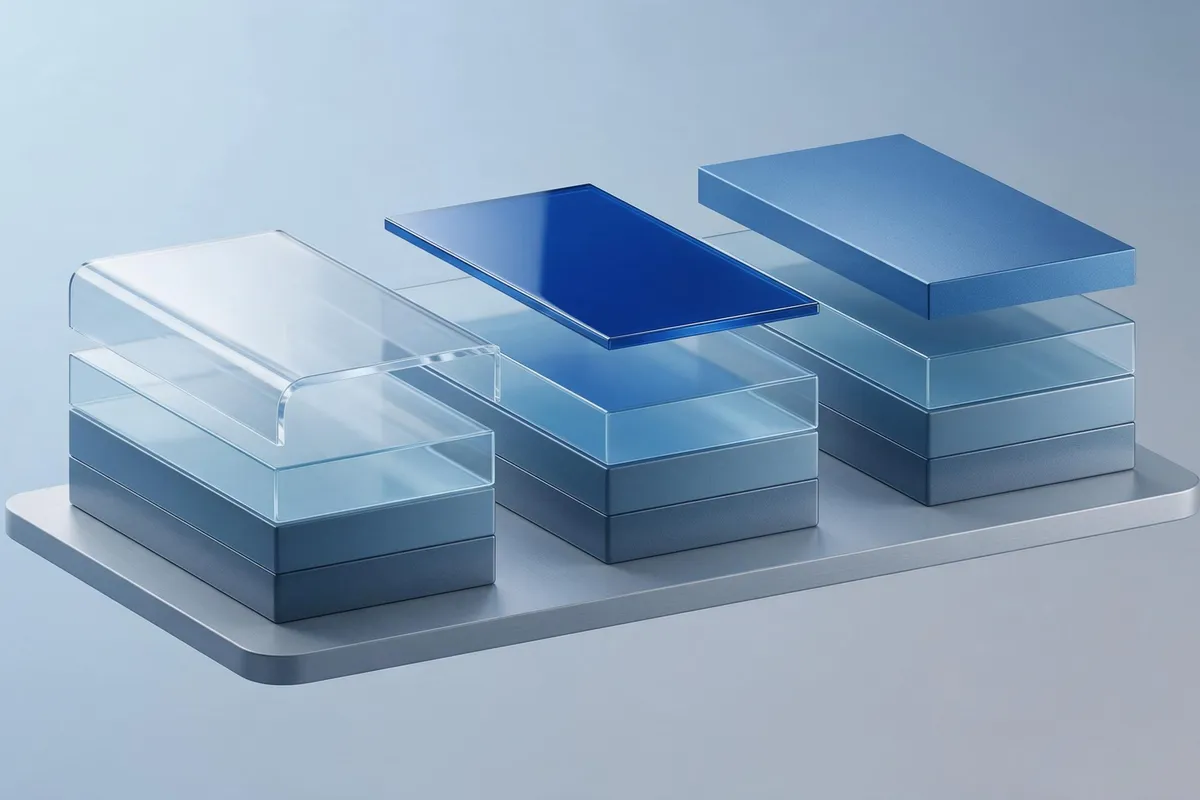
Side-by-side comparison: source references, not universal specifications
| Property | PPF (TPU) | Ceramic coating | Vinyl wrap |
|---|---|---|---|
| Primary role | Physical protection, subject to model and conditions | Surface behavior and maintenance, product-specific | Color and finish change |
| Compare the exact products under the same conditions, using the finish, test data, installation method and warranty for each model. | Finished-film thickness for the selected model | Cured coating thickness | Film thickness for the selected wrap |
| Stone-chip protection | Designed for physical protection; verify tested model performance | Not a substitute for impact-protection film | Verify the exact product; no general protection rating |
| Scratch recovery | Only for specified topcoats and recovery conditions | Not a universal coating function | Not assumed for vinyl |
| Expected service and coverage | Model-specific PPF warranty | Coating specification and care schedule | Wrap specification and care schedule |
| Removal | Designed for removal; paint condition and method matter | Removal method depends on the product; polishing may be required | Designed for removal; no paint-safety guarantee |
| Installation skill | Specialist preparation and practiced installation | Product-specific preparation, application and curing | Panel handling and permitted heat forming |
| Compare the exact products under the same conditions, using the finish, test data, installation method and warranty for each model. | Compare the exact products under the same conditions, using the finish, test data, installation method and warranty for each model. | Compare the exact products under the same conditions, using the finish, test data, installation method and warranty for each model. | Compare the exact products under the same conditions, using the finish, test data, installation method and warranty for each model. |
Discuss the required finish and maintenance, but also explain removal conditions. Film removal is not a promise to restore any paint without damage: repainted, aged or unstable surfaces need particular assessment. Coating removal may require polishing or another specified process. Do not describe every coating as permanent or every film as risk-free.
Choose by application
PPF: assess physical exposure
For highway, gravel, track or construction-zone use, assess the exact damage exposure and the model's evidence. Compare installed film cost with realistic repair costs; a story about one expensive stone chip is not a universal saving or proof of protection against every impact.
Documenting original paint and inspecting it before installation can support a condition record, but neither film nor clean removal guarantees resale value. Paint adhesion, aging, product and removal method all matter. See PPF adhesive science.
Ceramic coating: assess surface maintenance
Bird droppings, sap, mineral deposits and washing create different maintenance problems. A suitable coating may make some contamination easier to remove, but does not eliminate cleaning or guarantee freedom from etching, water spots or wash marks. Verify the product's care instructions and evidence.
Coating over PPF requires compatibility with the exact film topcoat and the specified preparation/application process. Do not assume every coating adds hydrophobicity or preserves the original gloss, scratch-recovery behavior and warranty.
Vinyl: appearance and branding
Vinyl can serve color changes and fleet graphics. Satin, chrome-look, trim blackout and textured matte are appearance choices, not formula claims. Paint protection, UV performance, removal and lease-return acceptance need separate evidence and contractual checks.
Color PPF can combine an appearance change with the specified film's physical-protection role; vinyl serves a different portfolio position. Price and performance gaps must come from actual products, not a universal hierarchy. Keep CHISI RCX graphene/5-year and GCX nano-silica/up-to-3-year terms separate; see launching a color PPF line.
Combining products: verify the exact system
| Combination | Source position, subject to compatibility | Reason to check |
|---|---|---|
| Ceramic coating over PPF | Possible with an approved product-specific system | Check surface behavior, preparation, care and warranty; the film retains its own physical-protection limits |
| PPF over ceramic coating | Do not assume adhesion; follow the film supplier's preparation requirements | The adhesive meets the existing surface treatment, which can change bonding behavior |
| PPF over vinyl wrap | Not a default full-body recommendation | Verify interlayer adhesion, movement and removal risks; two removable products do not establish a compatible stack |
| Vinyl over PPF | Avoid without specific compatibility evidence | Adhesive contacts the film topcoat; later removal may disturb either layer |
| Coating on paint, PPF on selected impact zones | A source portfolio example, not a universal specification | Match each product to the actual substrate and verify interfaces, care and terms |
A hybrid plan may put film on selected bumper, hood, mirror or A-pillar areas and coating elsewhere. Use only products approved for the actual surface: headlight lenses require their own material/optical assessment and must not be treated as painted body panels. Compare local cost and maintenance needs; no universal best-value or safety outcome is established.
Build the dealer portfolio
Use the following source scenarios to build an entry offer, core service and broader package. They are sales-planning options, not claims of compatibility, current availability or assured upselling revenue.
| Customer situation | Entry option | Core option | Broader option |
|---|---|---|---|
| New car, planned long ownership | Compatible coating on paint | Partial-front PPF and compatible coating | Full-body PPF, with coating only where system compatibility is established |
| Lease or shorter ownership | Suitable coating | PPF on selected exposed zones | Appearance wrap, subject to lease terms and substrate assessment |
| Enthusiast / track use | PPF on selected exposed zones | Suitable full-body PPF | Color PPF and individually qualified coating/wheel-film options |
| Commercial fleet | Vinyl graphics | Graphics and independently suitable exposed-zone PPF | Fleet film plan with documented product-specific warranty terms |
Keep the customer's actual need ahead of the sales ladder, and maintain the skills required for each service. Never present ceramic coating as a substitute for stone-chip film. Document the limits of both products; no material prevents every kind of damage.
Explain without confusing the customer
Use controlled demonstrations to explain differences, and state their limits. A sales demonstration is not an independent test or certification and cannot establish every real-world outcome.
- Thickness comparison. Show a film offcut and a coated practice panel, identifying the actual products. Do not infer protection from appearance or thickness alone.
- Water demonstration. Compare beading under the same stated conditions.
- Impact demonstration. If using a purpose-designed demonstration device, follow its instructions and use suitable sample panels, not a customer's vehicle. Identify the products and conditions. A drop or spring-punch demonstration does not by itself establish road-impact performance, safety or warranty coverage.
Ask what the customer wants to address: physical damage, contamination and cleaning, or appearance. Then explain product-specific limitations, compatibility and total cost. This supports a clearer choice without guaranteeing protection or a commercial outcome.
Five mistakes to avoid
- Selling coating as stone-chip film. Explain that a thin coating is not an equivalent impact-protection layer; film itself also has product-specific limits.
- Applying film to newly repainted panels without approval. Confirm paint cure, condition and film compatibility with the paint-system supplier/bodyshop and film instructions. Required waiting and removal conditions depend on the actual system; do not set a universal safe interval or guarantee no paint damage.
- Covering unstable paint. Removal can lift a poorly bonded or deteriorated clear coat. Inspect and document the substrate and agree the work scope before installation; this article does not determine legal liability or promise a damage-free outcome.
- Coating before film without checking preparation. An existing treatment can change adhesion. Follow the exact film's surface-preparation requirements; do not assume any coated panel is ready for film.
- Mixing products without compatibility records. An incompatible coating/film combination may alter appearance or adhesion. Obtain the exact compatibility and maintenance instructions and keep the product identities and application record.
One supplier can simplify coordination, but does not automatically prove compatibility or transfer responsibility for every installation. Compare documented test scope, care instructions and warranty terms. See how to choose a PPF manufacturer.
Frequently asked questions
Is PPF better than ceramic coating?
They address different needs. PPF provides a physical sacrificial film, within the model's impact/abrasion limits; coating modifies surface behavior and maintenance. Compare the exact substrate, product evidence and care requirements rather than declaring one universally better.
Can ceramic coating be applied over PPF?
Only where the exact film/coating system and process are compatible. Confirm with the suppliers before application, including preparation, appearance, scratch recovery, care and warranty effects. A coating intended for paint is not automatically suitable for film.
Does ceramic coating prevent stone chips?
Do not sell a thin coating as equivalent to an impact-protection film.
Can PPF go over vinyl wrap?
Do not adopt it as a default full-body stack. Verify interlayer adhesion, tension, removal and warranty for the exact system. Depending on the need, separately qualified exposed-zone film or a suitable color PPF may be alternatives; neither is automatically compatible with every surface.
Which lasts longer: PPF or vinyl wrap?
Compare the warranty and maintenance terms for the exact PPF or wrap. Exposure, panel location and care affect service life.
What is a lower-budget protection plan for a new car?
Compare compatible coating with selected-zone PPF against full-body film using local quotes and actual needs. The hybrid is a source budget example, not always the cheapest or the best protection. Include preparation, maintenance and later removal costs.
Must the whole vehicle use one product?
No. Different zones may use independently suitable products with documented interfaces and care. Bumpers, painted panels, mirrors and headlight lenses are not identical substrates; lamps need their own film and optical/use assessment. A hybrid is an option, not an all-vehicle compatibility or road-use approval.
Build the portfolio
A useful sales explanation identifies each product's role, shows an appropriate sample and states its limits. This can make comparison clearer, but does not guarantee conversion, repeat sales or a margin.
When sourcing a portfolio, compare each film grade, color option, coating compatibility, training scope and product-specific warranty. A shared supplier does not make terms identical. Our manufacturing and R&D capabilities describe TPU film casting, coating and weathering-laboratory capabilities. The OEM and ODM catalog presents private-label color and specification options, subject to the exact model and agreed supply terms. To discuss a dealer program, contact our team with your market, volume and customer mix.