
Short answer: Describe the failure and preserve evidence before deciding its cause. Bubbles, edge lift, tunnels and widespread separation can involve film, adhesive, paint, application or exposure together. Shape and timing are clues, not a responsibility decision; do not routinely press, heat or peel a defect to diagnose it.
A defect may appear at installation or later in service. Record when it was first observed and how it changed, while distinguishing the reporting date from the actual onset. This guide organizes observations and investigation questions; it does not identify a cause from appearance alone.
A sound investigation should consider product and application evidence without automatically blaming either party. For the interface background, see PPF adhesive science; for installation context, see PPF installation guidance.
On this page
Describing four failure forms
A rounded pocket may contain gas, liquid or another interfacial defect; “bubble” and “blister” do not by themselves identify contents. Edge lift begins near a boundary. Tunneling describes an elongated channel. Widespread separation covers a larger area and may occur at different interfaces. Record the observed form before interpreting it.
Form and timing help organize the investigation but do not map uniquely to one cause or stage of work.
An early defect is not automatically an installation fault, and a later one is not automatically a material fault. Record installation, exposure, washing and repair history where relevant. Timing alone cannot determine when a cause was introduced.
Product, application and substrate evidence
Consider application conditions, film and adhesive construction, liner condition, paint, contamination and exposure as interacting possibilities. A batch identifier or repaired panel is relevant evidence, not proof of fault. The same failure can involve more than one factor.
Similar shapes can arise at different interfaces. Trapped application liquid, air, contamination, paint volatiles and product defects remain hypotheses until supported by an appropriate examination.
Preserve product identity, lot records and relevant samples where an agreed sampling method permits. A single vehicle does not prove a batch-wide defect, while lack of a second affected vehicle does not automatically exclude a product concern.
Method and conditions
Each listed factor needs evidence; other causes remain possible.
| Observed form | Possibility to investigate, not a diagnosis |
|---|---|
| Blisters or bubbles | Application liquid or air; examine other interfaces too |
| Edge lift | Contact, strain and product or surface condition |
| Tunneling | A channel, contamination or liquid; do not infer wicking from shape alone |
| Widespread separation | Inspect the actual failure interface and material condition |
These windows do not establish cause or exclude a claim outside them. Distinguish customer reporting, first observation and documented progression. Compare the dates with the actual product and exposure records.
Planning an investigation
Start with non-destructive documentation. Pressing, heating and peeling can change the defect, damage paint or remove evidence; use them only under a product-specific assessment plan with appropriate authorization. Response to a test is not a unique indicator of who caused the failure.
| Assessment stage | Evidence or method to agree | Interpretation limit |
|---|---|---|
| Observe | Record shape, extent, location, dates and changes | Organizes evidence; does not determine a cause |
| Mechanical response, if permitted | Agree whether any contact test is appropriate before touching | Movement or refill alone cannot distinguish air, liquid or failure mechanism |
| Thermal response, if permitted | Use the approved surface temperature for the film and paint. | Recontact after heating does not prove adhesive health or the original cause |
| Sampling, if agreed | Agree location, procedure, preservation and any examination needed | Residue location helps identify an interface but does not assign fault by itself |
Before heating a lifted edge, identify the film, paint condition and permitted rework method. If heating is allowed, measure the surface temperature and use the product’s limit. PPF handover inspection
Blisters and bubbles
Rounded pockets can involve liquid, air, paint-related gas or other interfacial defects. Assess the actual product and surface without assuming every early pocket is harmless installation moisture.
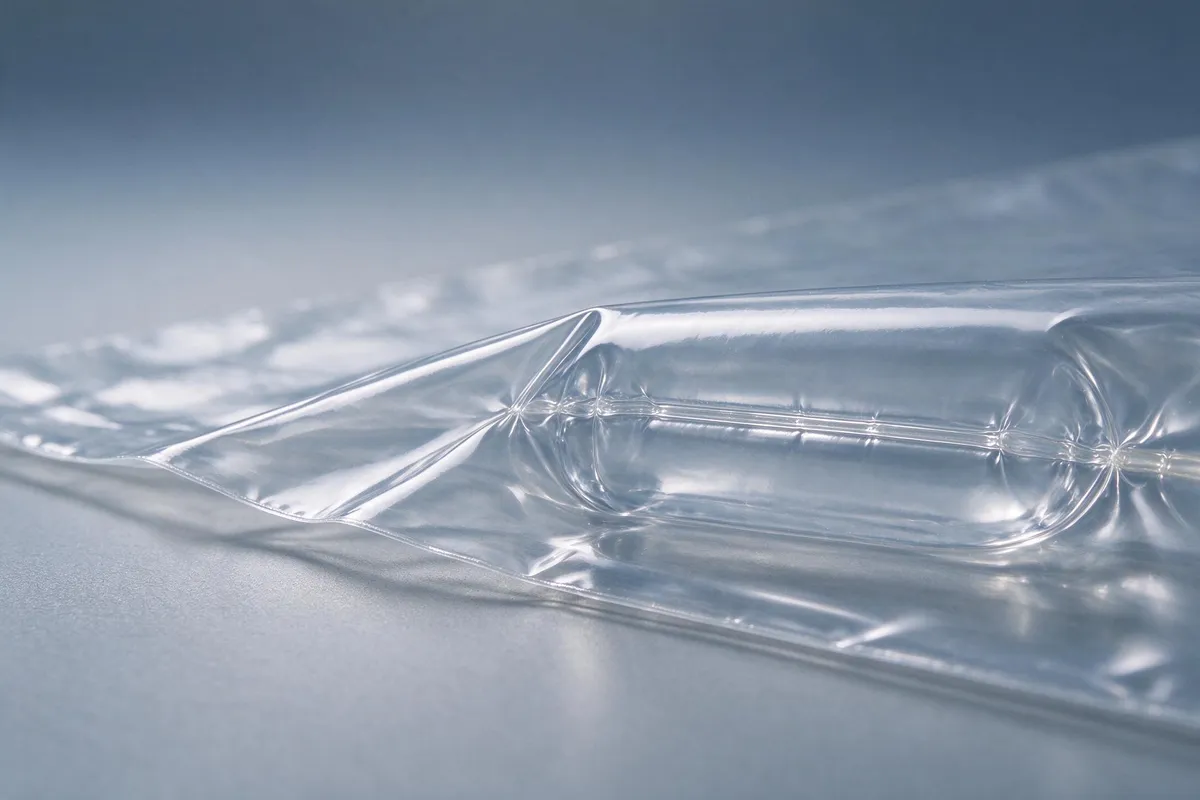
Press response, smell, firmness and position are not conclusive tests for liquid versus outgassing. Review paint, application and product evidence under an appropriate plan. Do not automatically assign one appearance to installation and another to the substrate.
A defect near a cut or return warrants an interface and edge-condition check. It does not itself prove water ingress or an unsealed seam, and adding sealer is not a universal remedy.
Edge lifting
Edge lift can involve contact, strain, contamination, material condition, geometry or exposure. Do not assume nearly every lift results from a cold wrap or release before cooling. Investigate the actual conditions and permitted edge design.
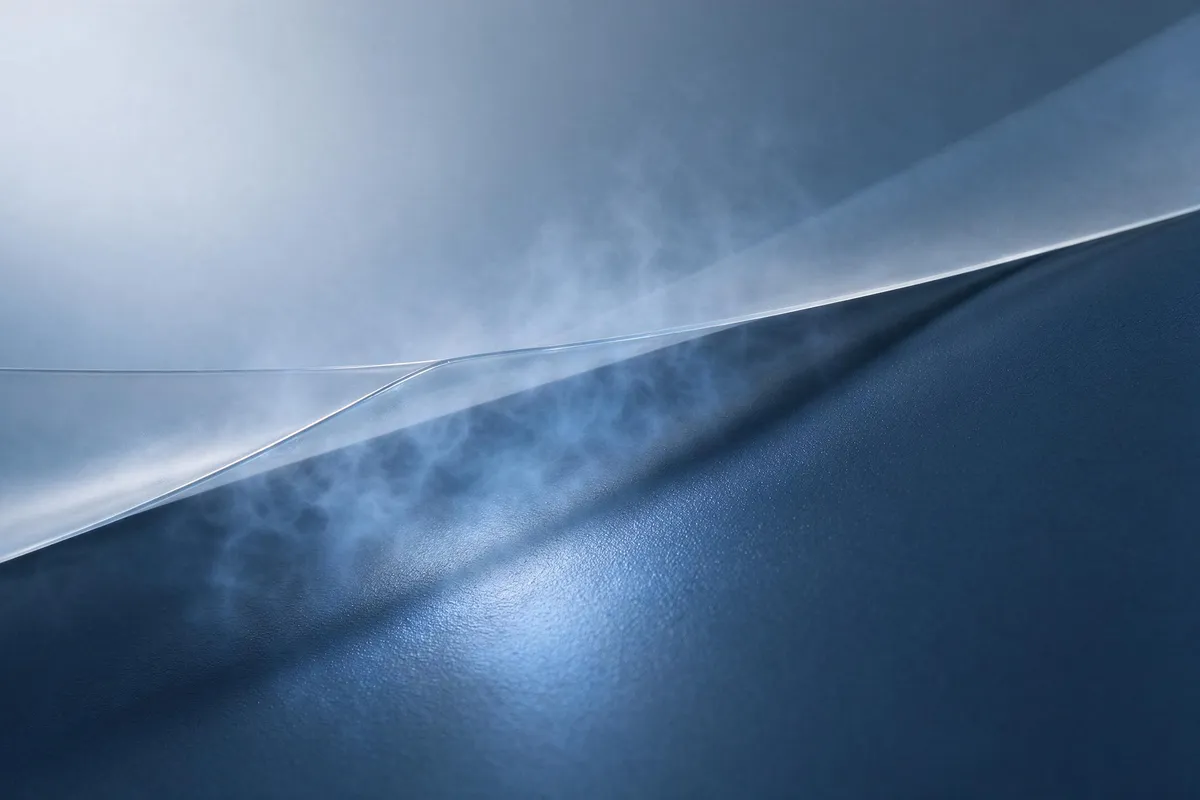
Check contamination, distortion, adhesive and paint condition before selecting an approved rework or replacement method. A dark trace is an observation, not proof of water alone.
Validate the permitted return, strain and edge-contact process for the actual product. Holding until cool is not a universal guarantee against lift. Keep design and process records rather than assuming one edge routine works for every film.
Tunnels and widespread separation
Tunneling describes an elongated separation, not one proven mechanism. Inspect the interface, material and boundary conditions before concluding that water followed a fold or seam. A sealed-looking edge does not prove the rest of the system cannot separate.
Widespread separation may occur at paint, adhesive or film interfaces, with or without visible residue. Its extent alone does not rank substrate, product or application as the cause. Document before an agreed sampling or removal procedure.
Washing or heat exposure may be relevant, but neither proves a specific fault. Compare history, interface examination and product records before deciding.
Responsibility and handling
Agree handling from the evidence, applicable product terms and the actual parties’ arrangements. Do not automatically charge the shop, customer or supplier from a category label. Confirmed manufacturing-defect service follows the applicable CHISI process; freight and other costs must not be invented here.
| Investigation topic | Handling to assess | Responsibility boundary |
|---|---|---|
| Application concern | Assess whether an approved rework is possible | No automatic shop-cost or fault assignment |
| Substrate concern | Obtain paint assessment before correction or reapplication | Discuss the actual evidence and relevant disclosures |
| Product or batch concern | Preserve identification and contact the supplier before agreed intervention | No automatic replacement from another lot or chargeback rule |
| Unresolved cause | Document and agree the next assessment | Do not turn incomplete evidence into automatic claim rejection |
Preserve relevant evidence before rework and record any agreed sampling. Photographs can support assessment but may not resolve a complex interface failure alone. For handling options, see PPF rework or replacement; apply the actual terms rather than a universal blame matrix.
Frequently asked questions
Are small bubbles always normal after installation?
Not automatically. Document the defect and use the product-specific assessment. Pressing, refilling, smell or pinpoint shape alone cannot identify the contents or authorize waiting.
Why did an edge lift after washing?
Washing is part of the history, not proof of the original cause. Investigate edge contact, strain, contamination, product and paint condition. Do not automatically reheat and press or assign fault to the installer or customer.
What can cause tunneling?
An elongated separation can involve folds, contact, contamination, liquid or material effects. Shape alone cannot establish the mechanism. Examine the actual interface; do not prescribe sealing every cut or edge as universal prevention.
How can product and installation factors be distinguished?
Combine product identity, process history and a suitable interface examination. Residue on paint or film does not uniquely identify a responsible party. Agree any sampling with the supplier and retain paint, adhesive and application factors until evidence resolves them.
Can widespread separation be reworked?
It depends on the cause and actual film, adhesive and paint condition. Preserve evidence before an approved repair or removal. Neither residue location nor an intact-looking film automatically authorizes reuse, replacement or selection of another lot.
When can a claim be rejected?
Apply the actual model terms and service process to the evidence. A customer action, repaired panel, missing record or timing alone does not automatically justify rejection. Avoid declaring liability from a generic article; refer unresolved cases for the appropriate review.
How long should a defect be observed?
Follow the actual product’s assessment and service instructions, documenting changes and escalating deterioration when needed.
Investigate before deciding
Use form, timing, interface evidence and product records together. No single observation or peel result automatically assigns cause or responsibility. Agree the appropriate handling under the actual terms and preserve unresolved questions rather than forcing them into a blame category.
To discuss a film concern and the evidence needed for assessment, contact our team.